
 White Zirconia Blocks
 Multilayer Zirconia Blocks
 Color Zirconia Blocks
 3D Zirconia Blocks
 4D Zirconia Blocks
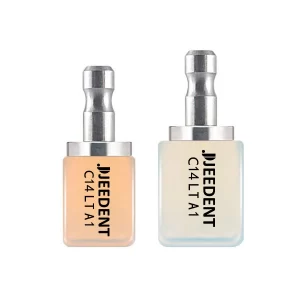 Amber Lithium Disilicate
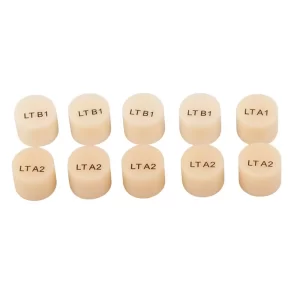 Press Porcelain
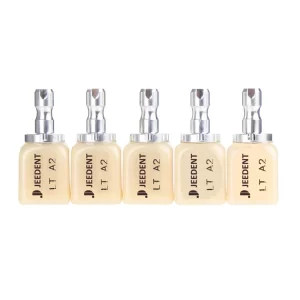 Non-sinterd Ceramics
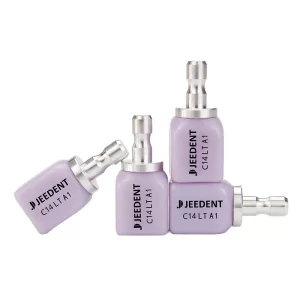 C14 Lithium Disilicate Ceramics
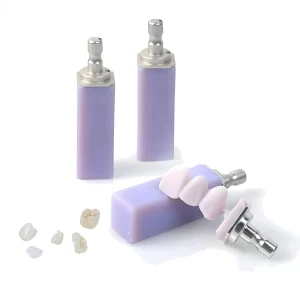 B40 Lithium Disilicate Ceramics
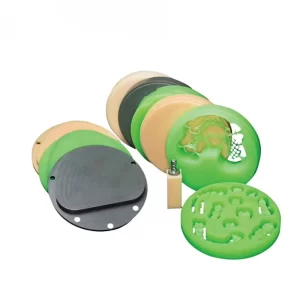 WAX Disc
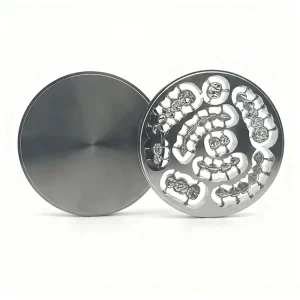 Titanium Disc
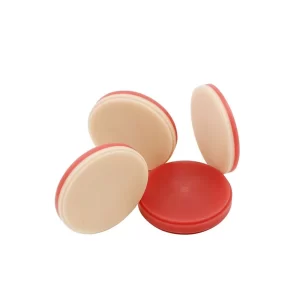 Double Layer PMMA Disc
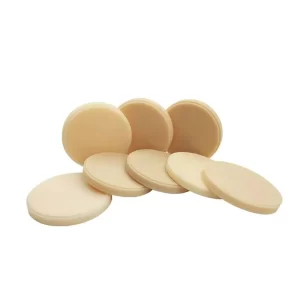 PMMA Disc
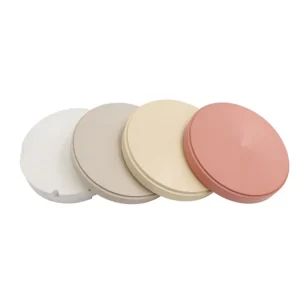 PEEK Disc
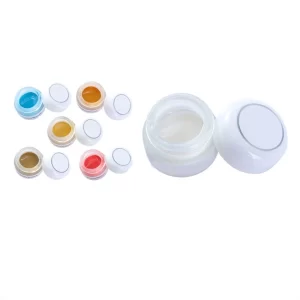 Stain & Glaze
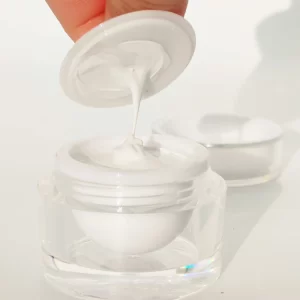 Dental Scanning Paste
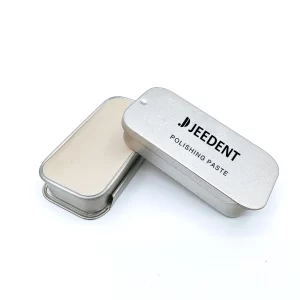 Dental Polishing Paste
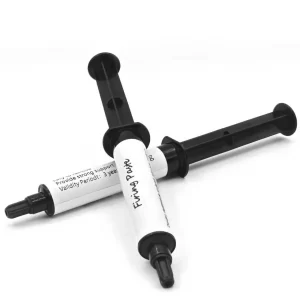 Dental Sintering Paste
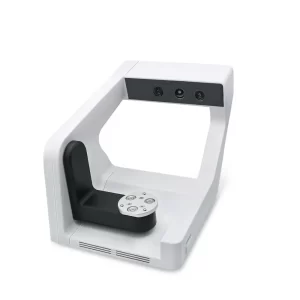 Desktop dental 3D scanners
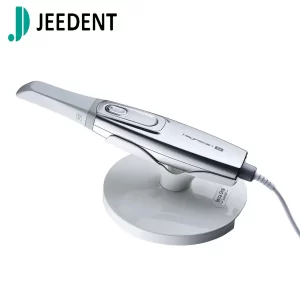 Intraoral scanner
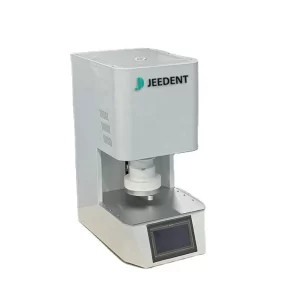 Dental Sintering Furnaces
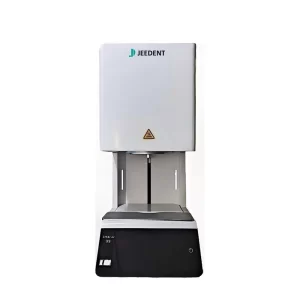 Dental Porcelain Furnace
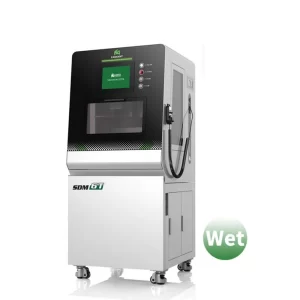 Dental Milling Machine
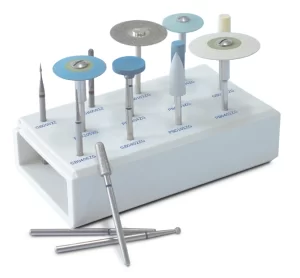 Dental polish kit
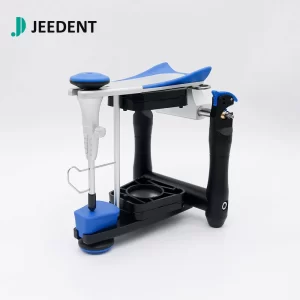 BN Articulator
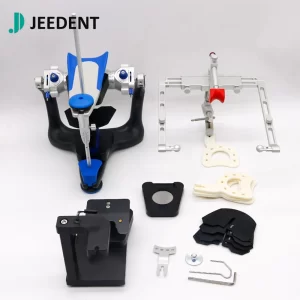 Full Adjustable Articulators
Many people are curious about dental restorations. These restorations look very natural and blend perfectly with natural teeth. The material used to achieve this effect is usually pressed porcelain. This material is frequently chosen by dentists and dental technicians around the world. Pressed porcelain, also known as pressed ceramic, is a versatile dental material. This material combines aesthetics and functionality and is suitable for a variety of restorative procedures. This article will explain what pressed porcelain is and introduce the main advantages of this material in clinical applications. Finally, this article will also show the most common applications of pressed porcelain in dental clinics. Whether you are a dentist, a dental technician, or simply interested in dental materials, you will find all the important information you need in this article.
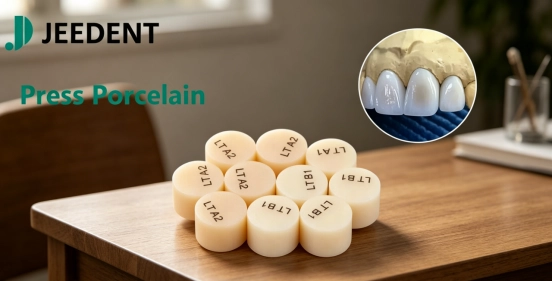
What Exactly Is Dental Press Porcelain?
Put simply, dental press porcelain is a high-quality ceramic material. This material is designed for dental restorations. Traditional ceramics are baked or hand-sculpted. Press porcelain is different. Workers heat ceramic powder to a high temperature. The powder becomes soft and workable. Then they press it into a pre-made mold. This step forms the desired shape. This process ensures consistency and precision. The final restorations fit perfectly. Press porcelain has three core traits. It looks natural. It is durable. It adapts easily to different cases. These traits make it stand out from other materials. Regular ceramic chips more easily. Press porcelain resists chipping better. Resin materials stain easily. Press porcelain does not stain easily. This makes press porcelain a more reliable long-term option for patients.
Key Benefits of Dental Press Porcelain
Press porcelain has many advantages. The following explanation will focus on these advantages.
Aesthetic Excellence (Superior Visual Effect)
Press porcelain has a diverse color palette. It matches different tooth shades from light to dark. The material also has translucency. This translucency simulates the natural enamel and dentin layers of real teeth. The restoration blends seamlessly with nearby teeth. Patients will not feel self-conscious about their restorations. Dentists can easily meet their patients’ aesthetic demands. They do not have to give up functionality to do so.
Durability and Strength (Long-Lasting Performance)
Press porcelain is very durable and strong. It can handle daily chewing. It can handle speaking. It can also handle minor impacts. Traditional ceramics are fragile. Press porcelain is different. It resists chipping and wear. This quality reduces the need for frequent rework. Dentists save time because of this. Clinical costs also go down. Patients get long-lasting restorations. They do not need to replace these restorations often.
Biocompatibility (Safe for Oral Environment)
Press porcelain has high biocompatibility. It is non-irritating and non-allergenic. It will not react with oral fluids. This makes it safe for patients with sensitive mouths or allergies. The material removes the risk of oral discomfort and adverse reactions. This benefit is essential for clinical safety.
Easy Processability (Efficiency for Dental Labs)
Press porcelain is easy for dental technicians to process. They can use standard lab equipment. The material cuts down on production time. It also ensures consistent results and boosts workflow efficiency. This helps labs meet deadlines and provide reliable restorations for dentists.
Common Clinical Uses of Press Porcelain
Press porcelain is common in dental restorative procedures. Each application solves a specific clinical need. This helps dentists provide effective care. It also helps them provide care that looks good for patients.
Dental Veneers
Dental veneers are thin shells. A dentist places them on the front of a tooth. These shells fix stains on teeth. They also fix small chips, gaps, or uneven shapes. Press porcelain has a natural translucency. It also has good color matching. These two qualities make press porcelain a good choice for veneers. This choice works well for front teeth. Front teeth show when a person smiles. Press porcelain helps veneers look natural. It stops them from looking artificial. Patients gain back confidence in their smiles.
Dental Crowns
Dental crowns cover the whole tooth. They are used for damaged or weak teeth. Root canal treatment can leave a tooth weak. Large cavities or fractures can also damage a tooth. Press porcelain has good strength and durability. These qualities protect the tooth underneath. They also restore the chewing function of the tooth. Press porcelain has aesthetic appeal too. This helps the crown blend in with nearby natural teeth. Patients can avoid the fake tooth look.
Inlays & Onlays
Some teeth have partial damage. This damage is not severe enough for crowns. For these teeth, press porcelain inlays and onlays work well. They are a better choice than traditional fillings. Press porcelain inlays and onlays are more durable. They also resist staining better. They fit the tooth precisely. This fit prevents further tooth decay. It also maintains the tooth’s structure. At the same time, the restoration looks natural.
Bridge Pontics
Fixed bridge restorations use press porcelain for bridge pontics. Bridge pontics are artificial teeth. They fill the gaps left by missing teeth. Press porcelain has a natural appearance. This helps the pontic blend with nearby teeth. Press porcelain also has good strength. This strength allows the pontic to handle chewing pressure. The material restores both the function and the look of a complete smile.
Brief Tips for Using Press Porcelain
Users can follow a few simple tips when using press porcelain. These tips help get the best results.
- Dentists need to choose the right shade. The shade should match the patient’s natural teeth. Dentists should take time to compare shades under natural light. This helps create a seamless blend.
- Dental technicians must follow the manufacturer’s guidelines. The guidelines include heating and pressing temperatures. Following the correct temperatures prevents cracks or inconsistencies.
- Patients can maintain press porcelain restorations with easy steps. Patients should brush and floss regularly. Patients should avoid biting hard objects. Hard objects include ice and hard candy. Patients should also visit the dentist for regular check-ups.
These small steps extend the lifespan of the restoration. The restoration will look good and work well for years.
Conclusion
In summary, dental press porcelain is a versatile and high-quality material. It offers a good balance of aesthetics and durability. It is also easy to use. These qualities make it a top choice for dental restorations. The material has a natural appearance and good strength. It is also biocompatible and easy to process. Dentists, technicians, and patients all benefit from these traits. Press porcelain works well for veneers, crowns, inlays, onlays, and bridge pontics. Dentists and dental labs can rely on our press porcelain materials. Our products meet clinical needs and help improve services. Visit our website to learn more about our press porcelain offerings. You can also contact us directly. We are here to help you provide the best possible care for your patients.