
 White Zirconia Blocks
 Multilayer Zirconia Blocks
 Color Zirconia Blocks
 3D Zirconia Blocks
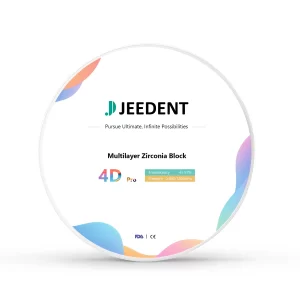 4D Zirconia Blocks
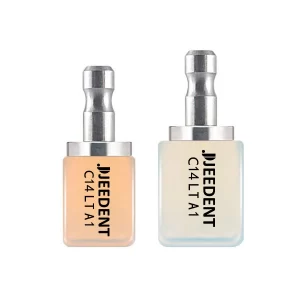 Amber Lithium Disilicate
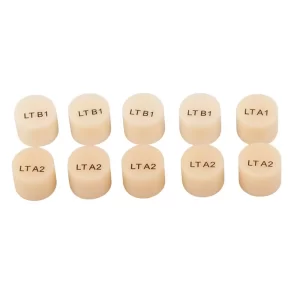 Press Porcelain
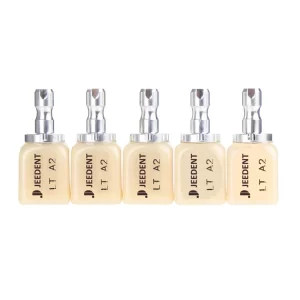 Non-sinterd Ceramics
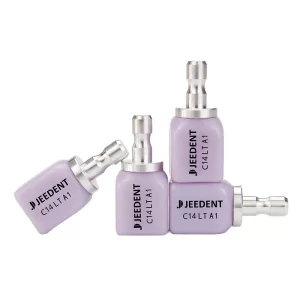 C14 Lithium Disilicate Ceramics
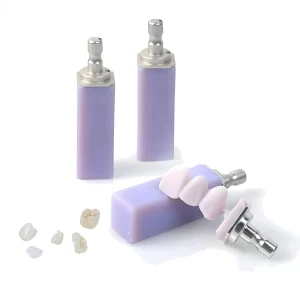 B40 Lithium Disilicate Ceramics
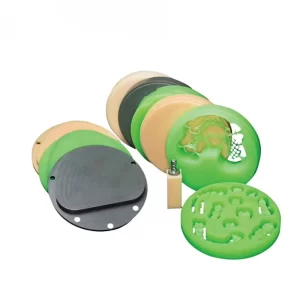 WAX Disc
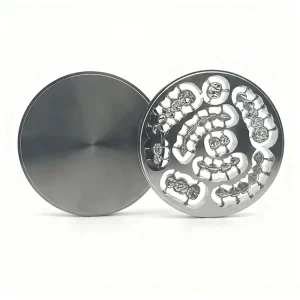 Titanium Disc
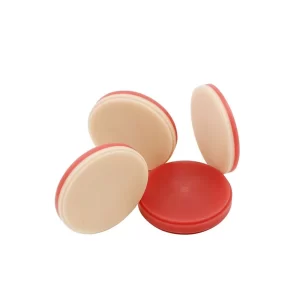 Double Layer PMMA Disc
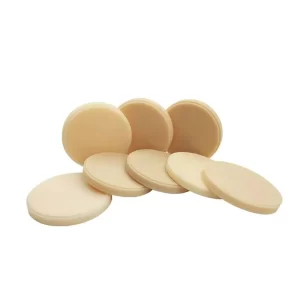 PMMA Disc
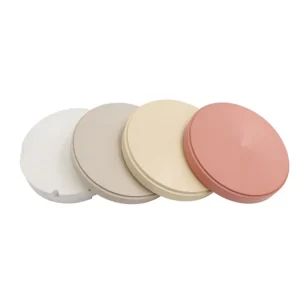 PEEK Disc
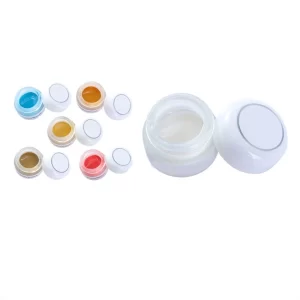 Stain & Glaze
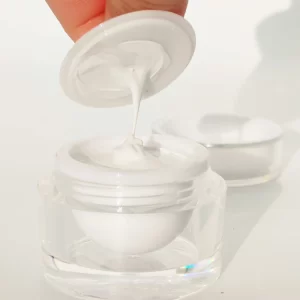 Dental Scanning Paste
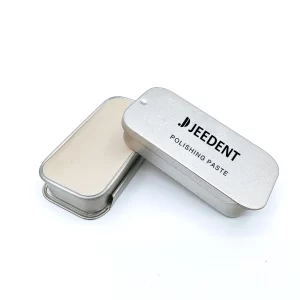 Dental Polishing Paste
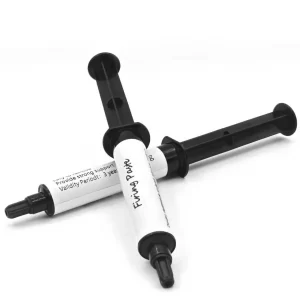 Dental Sintering Paste
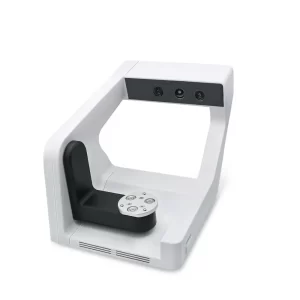 Desktop dental 3D scanners
 Intraoral scanner
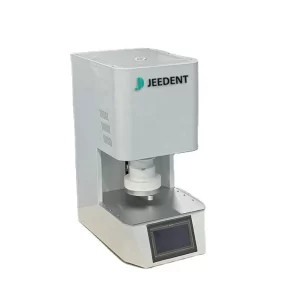 Dental Sintering Furnaces
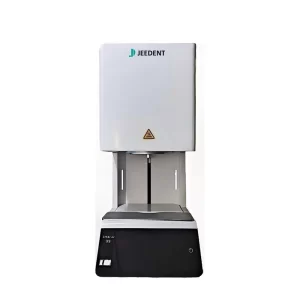 Dental Porcelain Furnace
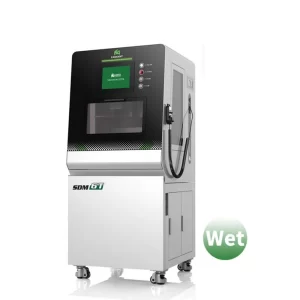 Dental Milling Machine
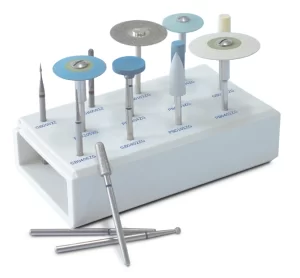 Dental polish kit
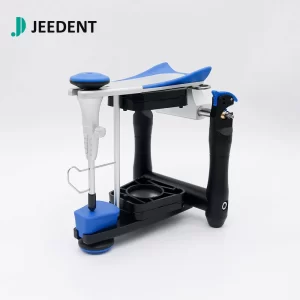 BN Articulator
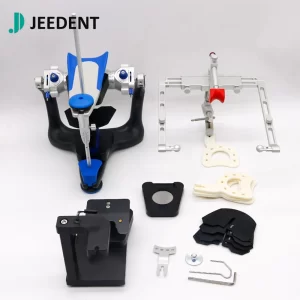 Full Adjustable Articulators
Dental technicians often face a common problem. They spend hours making a ceramic crown or veneer. Then the restoration cracks during sintering. It may also come out lopsided. This problem wastes materials. It also slows down the whole workday. Technicians do not have to keep dealing with this issue. Dental sintering paste is the simple, affordable fix that most labs overlook. In this article, I’m breaking down exactly why it’s a must-have for your workflow, what it actually does, how to use it (no fancy training needed), and where it fits into the work you do every day. By the end, you’ll be wondering how you ever managed without it.
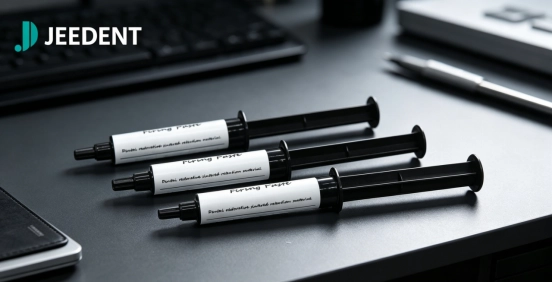
What Is Dental Sintering Paste?
Let us keep this explanation simple. There will be no confusing jargon. Dental sintering paste is a smooth paste. It is easy to spread. Technicians use this paste in the lab during sintering. Sintering is for ceramic restorations. Examples include press porcelain veneers and zirconia crowns. Ceramic inlays also work with this paste. The paste works with all of these restorations. This paste is not the same as bonding agents or glues. Its only job is to make the sintering process smoother and more reliable. Think of it as a lab helper. Technicians apply the paste before sintering. The paste works with a regular high-temperature furnace. It fixes small issues that bother technicians every day. There is no complicated setup. There are no extra tools. This simple step makes the work better.
The Reasons Why Dental Labs Need Sintering Paste
Some technicians have dealt with cracked ceramics during sintering. Others have seen inconsistent results. Adding sintering paste to the workflow can change these outcomes. The reasons are broken down into five key benefits.
Prevents Ceramic Cracking
Cracked ceramics cause big problems in dental labs. A technician has a perfect crown one minute. The next minute the crown has a crack down the middle. This problem wastes time, money, and materials. Sintering paste helps solve this problem. Ceramic cracks happen when it heats up and cools down too fast. Fast temperature changes create stress in the material. The paste acts as a buffer. It slows down the temperature change. It also takes stress off the ceramic. This results in fewer cracked pieces. It also means fewer do-overs. The workflow stays on track. Busy labs benefit from this single advantage. This one benefit makes sintering paste worth the cost.
Ensures Uniform Sintering for Consistent Results
Uneven sintering is another common issue. Some parts of the ceramic get too hot. Other parts do not get hot enough. The result is lopsided restorations. Some spots are too thin. Other spots are too thick to fit right. Sintering paste fixes this problem. It spreads heat evenly across the whole ceramic piece. Every part sinters at the same rate. The result is consistent and high-quality work. Each restoration fits perfectly. This makes the technician’s job easier. It also keeps dentists happy. Dentists know they can count on the restorations to fit right out of the box.
Improves Surface Smoothness and Cuts Down on Polishing
No one wants to spend extra time polishing a ceramic restoration. Polishing is tedious and time-consuming. It takes time away from other work. Sintering paste solves this problem. Technicians apply the paste before sintering. The paste leaves the ceramic surface smooth and even. This means less polishing work. In some cases, no polishing is needed. Technicians save time and energy. They can finish more restorations in a day without losing quality. A smoother surface also looks more natural. Patients and dentists want this result.
Enhances Adhesion and Makes Restorations More Durable
Sintering paste does more than make sintering easier. It also makes the final product better. The paste helps the ceramic bond more tightly to bases. Bases include metal or zirconia. This makes the restoration stronger and longer-lasting. Patients do not want to return for repairs. A crown falling off is a problem for patients. Dentists do not want to deal with those callbacks. Sintering paste helps restorations hold up to daily chewing and wear. This keeps patients and dentists happy. It also reduces hassle for everyone involved.
Saves Time and Reduces Costs in the Long Run
Every lab cares about saving time and money. Sintering paste helps with both goals. The paste cuts down on cracked pieces and rework. This means less wasted ceramic material. The paste also reduces polishing time. Technicians can take on more orders and get more done. Over weeks and months, these small savings add up to big cost reductions. Sintering paste is a simple investment. It makes the lab more efficient and more profitable. It also makes work less stressful for everyone on the team.
Common Applications of Sintering Paste in Dental Labs
Sintering paste works with many ceramic restorations. It is not a one-trick product. The paste works well with press porcelain veneers and crowns. These restorations focus on aesthetics. The paste helps them look even more natural. The paste also works well with zirconia crowns and bridges. Zirconia restorations are popular for their strength. The paste stops them from cracking during sintering. Ceramic inlays and onlays also benefit from the paste. It helps them fit precisely and hold up well. The paste works with existing high-temperature sintering furnaces. Users do not need to buy new equipment.
Simple Tips for Using Dental Sintering Paste
Using sintering paste is easy. Users do not need special training or fancy tools. Here is the process. First, apply a thin and even layer to the ceramic piece before sintering. Do not use too much paste. Too much paste may leave a residue after sintering. Spread the paste evenly. Pay extra attention to the edges. The edges are the spots most likely to crack. Then, sinter the piece as usual. There are no extra steps or complicated adjustments. When choosing a sintering paste, check its compatibility. Make sure it works with the ceramic used most often. Examples include press porcelain or zirconia. Also make sure the paste leaves no residue. That is the whole process. It is simple, straightforward, and effective.
Conclusion
Dental sintering paste has revolutionized the way dental labs operate, solving common problems faced by technicians such as ceramic cracking, uneven sintering, and excessive polishing time. Sintering paste enhances the strength and consistency of restorations, resulting in a more natural appearance. In the long run, sintering paste can save time and costs, a significant benefit to any dental lab. Technicians looking to reduce errors can use high-quality sintering paste, which simplifies their workflow. Visit our website for more information on sintering paste specifications. You can also contact us directly for samples. We are committed to helping your dental lab operate more efficiently, easily, and profitably.