 White Zirconia Blocks
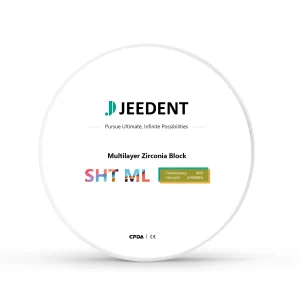 Multilayer Zirconia Blocks
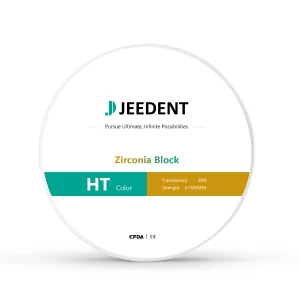 Color Zirconia Blocks
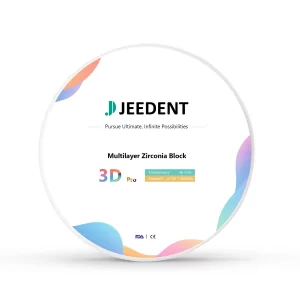 3D Zirconia Blocks
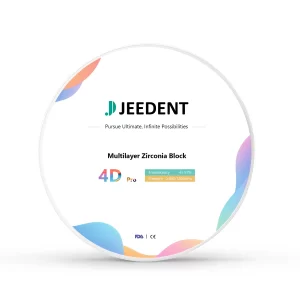 4D Zirconia Blocks
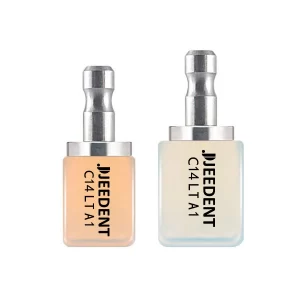 Amber Lithium Disilicate
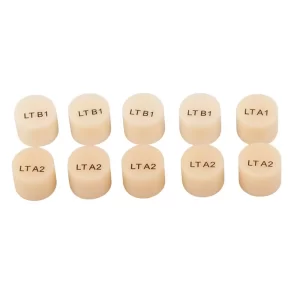 Press Porcelain
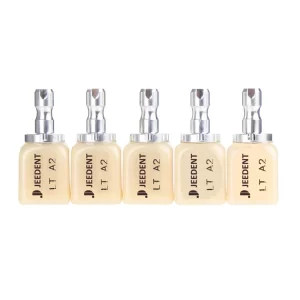 Non-sinterd Ceramics
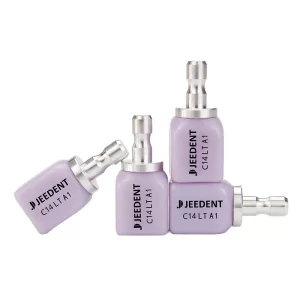 C14 Lithium Disilicate Ceramics
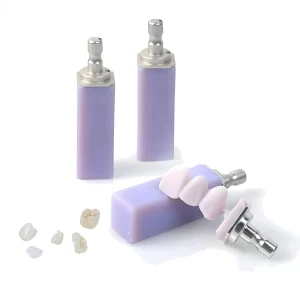 B40 Lithium Disilicate Ceramics
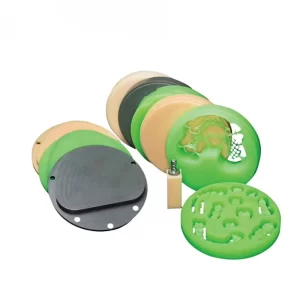 WAX Disc
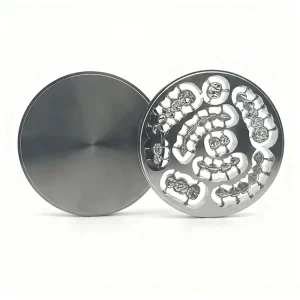 Titanium Disc
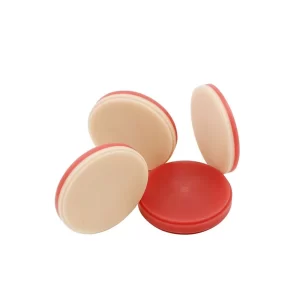 Double Layer PMMA Disc
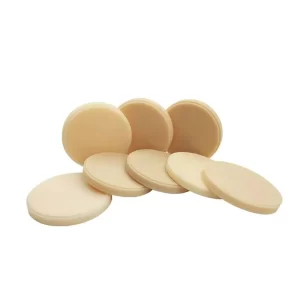 PMMA Disc
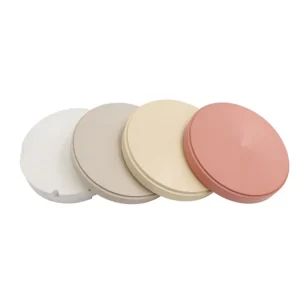 PEEK Disc
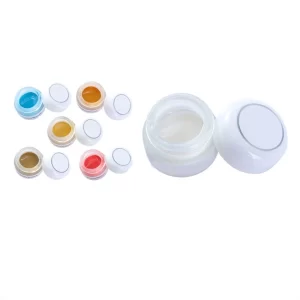 Stain & Glaze
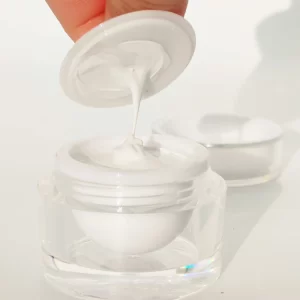 Dental Scanning Paste
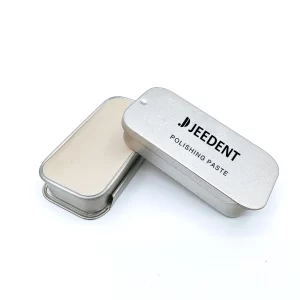 Dental Polishing Paste
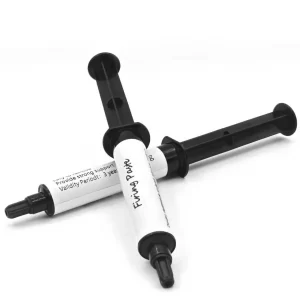 Dental Sintering Paste
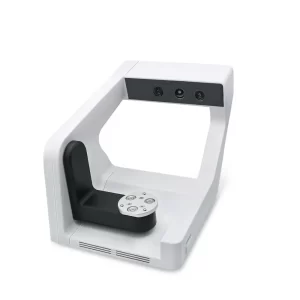 Desktop dental 3D scanners
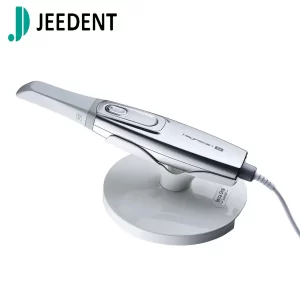 Intraoral scanner
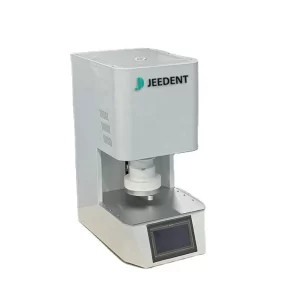 Dental Sintering Furnaces
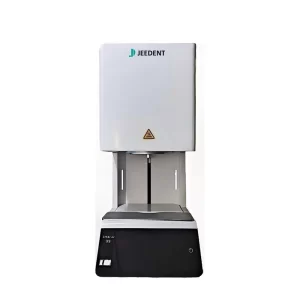 Dental Porcelain Furnace
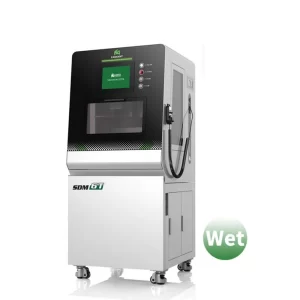 Dental Milling Machine
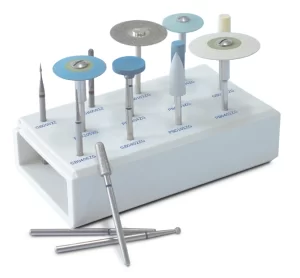 Dental polish kit
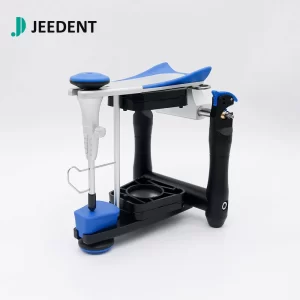 BN Articulator
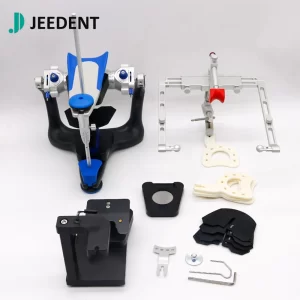 Full Adjustable Articulators
Dental zirconia blocks are a common material in modern dentistry. Many dentists have heard the term. But some may not know the full details that affect daily treatment. Understanding zirconia blocks helps with better material choices. It also makes the treatment process smoother and more efficient. Knowing the right zirconia block for each case saves time and improves results. We are a supplier of dental materials and equipment. We work with zirconia blocks every day. This guide gives a clear and simple explanation. We cover the key points you need to know. No complicated language. Just practical information to help you in your daily work.
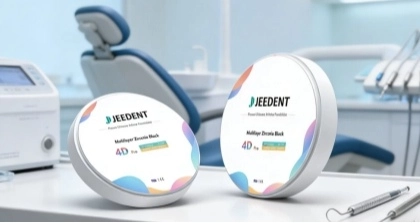
What Is a Zirconia Block?
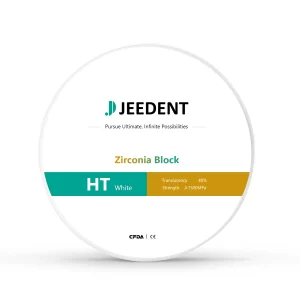
Zirconia block is a pre-formed piece of material. It comes as a cylinder or disc. The material is zirconium dioxide, which is a strong ceramic. Digital dentistry uses these blocks as the starting material. Labs mill them into crowns, bridges, and implant abutments using CAD/CAM machines. Zirconia offers several key properties. It works well with the human body. It resists breaking under pressure. It also looks natural, with translucency close to real teeth. The material stands up to corrosion over time. Blocks come in different shades and strengths. Some are more see-through than others. Most are pre-sintered, which means they are softer for easy milling. After shaping, they go into a furnace. The heat makes them fully hard and ready for use.
Why Dentists Choose Zirconia Blocks
From strength to aesthetics, zirconia blocks offer a combination of benefits that align perfectly with both clinical needs and patient expectations.
Strength & Durability for Long-Term Restorations
Strength and durability are two main reasons dentists choose zirconia blocks. The material is tough and built to last. Patients do not need frequent replacements. This saves time for the dentist. It also keeps patients satisfied with their restorations. Zirconia handles daily chewing and wear without issue. Even patients with strong bites experience good results.
Biocompatibility: Safe for Patients
Patient safety comes first. Zirconia supports this goal well. The material is highly biocompatible. It does not cause irritation or allergic reactions. It feels gentle even on sensitive gums. Most patients tolerate it well. This includes those with dental sensitivities.
Aesthetics: Natural-Looking Results
Patients want restorations that look like their own teeth. Zirconia helps meet this need. The material can match existing tooth shade, translucency, and texture. Restorations blend in rather than stand out. This boosts patient confidence in their smile.
Ease of Use: Compatible with CAD/CAM Workflows
Modern dentistry depends on efficient workflows. Zirconia blocks fit into these systems well. They work with the CAD/CAM equipment used daily. Milling is quick and precise. Restorations fit accurately. This saves time and streamlines practice operations.
Common Clinical Uses for Zirconia Blocks
Thanks to their exceptional strength and esthetic versatility, zirconia blocks are now the material of choice for a variety of clinical scenarios.
Dental Crowns for Front and Back Teeth
Dental crowns are the most common use for zirconia blocks. They work for both front and back teeth. For back teeth, choose monolithic zirconia. It has enough strength for heavy chewing. For front teeth, multilayer zirconia gives a more natural look. Patients are happy with both options.
Dental Bridges and Implant Abutments
Zirconia blocks work well for dental bridges. They provide enough strength to support missing teeth. They also look natural next to adjacent teeth. Implant abutments are another common use. These parts connect the implant to the crown. Zirconia abutments are safe and comfortable. They also last a long time for implant patients.
Veneers and Inlays
Zirconia blocks are useful beyond crowns and bridges. They also work for veneers and inlays. Zirconia veneers are thin and strong. They look natural and fix minor tooth flaws. Inlays and onlays made from zirconia fit precisely. They restore damaged teeth without the need for full crowns.
Practical Tips for Dentists Using Zirconia Blocks
To achieve optimal results with zirconia restorations, following a few practical guidelines during processing, selection, and storage is essential.
Quick Milling and Processing Tips
Here are a few simple milling tips. First, check your machine settings. Zirconia is a hard material. Correct settings lead to a smooth finish. Work at a steady pace. Rushing causes errors. Taking your time helps restorations fit well.
How to Choose the Right Zirconia Block
Choosing the right block starts with understanding the case. For front teeth, multilayer zirconia works well. It provides good aesthetics. For back teeth, monolithic zirconia is a stronger option. It handles heavy chewing forces. Consider the patient’s bite and aesthetic needs. Also think about how long the restoration should last.
Simple Storage Guidelines
Proper storage helps maintain zirconia block quality. Store the blocks in a dry and cool area. Keep them away from direct sunlight. Avoid damp or wet spaces as well. Extreme temperatures can change the material’s properties. Following these basic steps keeps the blocks ready for use.
Conclusion
Here is a quick recap. A dental zirconia block is a solid material made for restorations. It is strong, safe, and natural-looking. It is also easy to work with. Zirconia works for crowns, bridges, implants, and other restorations. It is a useful tool in daily dental practice. Zirconia blocks make work easier for dentists. They also lead to happier patients. The material is reliable and works for many cases. It fits well with modern digital dentistry. Next time you choose a restoration material, consider zirconia. It delivers good results case after case. You can trust it for consistent quality.