 White Zirconia Blocks
 Multilayer Zirconia Blocks
 Color Zirconia Blocks
 3D Zirconia Blocks
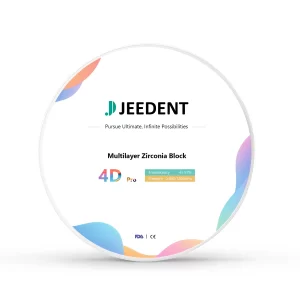 4D Zirconia Blocks
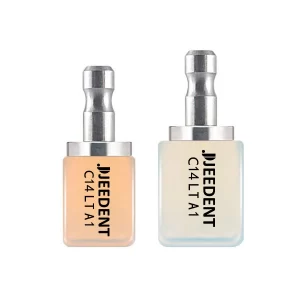 Amber Lithium Disilicate
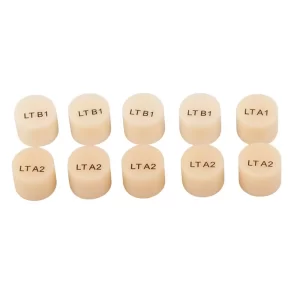 Press Porcelain
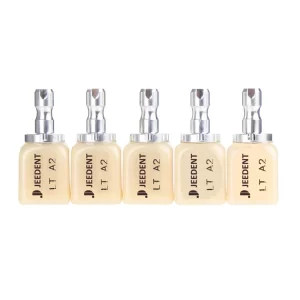 Non-sinterd Ceramics
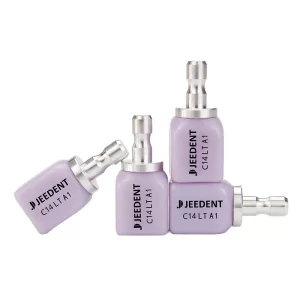 C14 Lithium Disilicate Ceramics
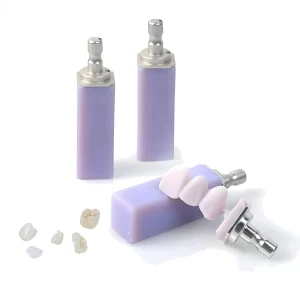 B40 Lithium Disilicate Ceramics
 WAX Disc
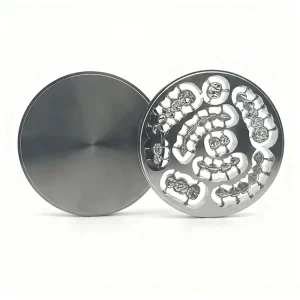 Titanium Disc
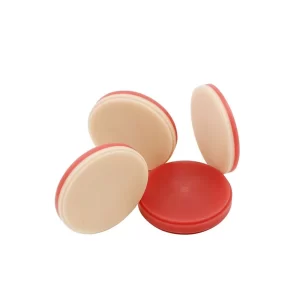 Double Layer PMMA Disc
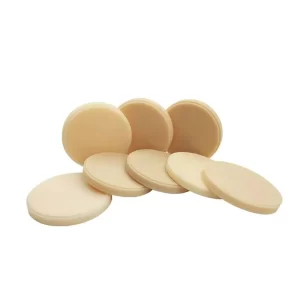 PMMA Disc
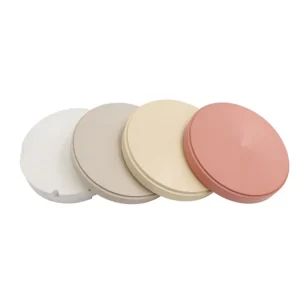 PEEK Disc
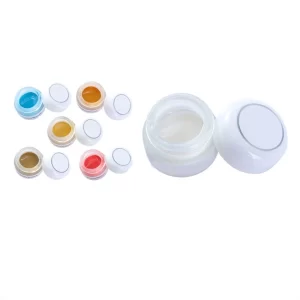 Stain & Glaze
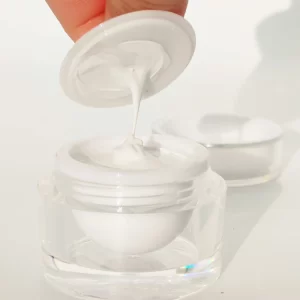 Dental Scanning Paste
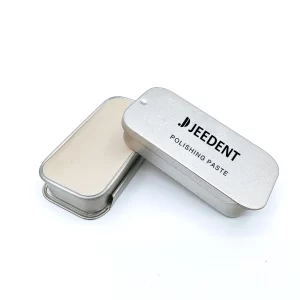 Dental Polishing Paste
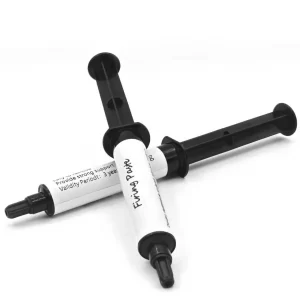 Dental Sintering Paste
 Desktop dental 3D scanners
 Intraoral scanner
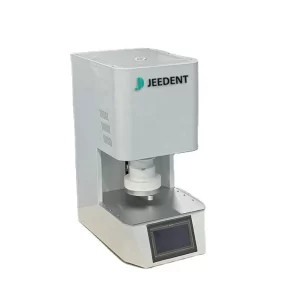 Dental Sintering Furnaces
 Dental Porcelain Furnace
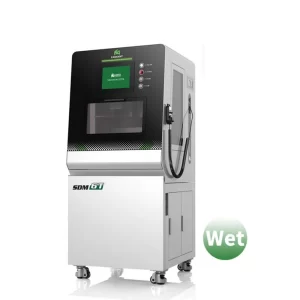 Dental Milling Machine
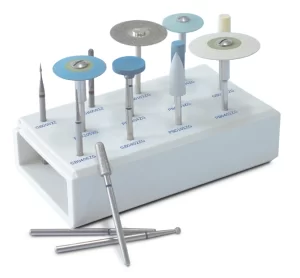 Dental polish kit
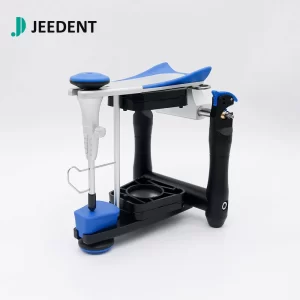 BN Articulator
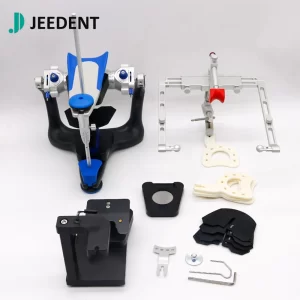 Full Adjustable Articulators
PMMA is short for Polymethyl Methacrylate. It is a common resin material in dentistry. Dentists use it for temporary crowns, denture bases, and restorations. It is cost-effective and practical. Many dental professionals choose it for these reasons. There are three types of dental PMMA on the market. They are monolayer, bilayer, and multilayer. These types differ in structure and performance. They also suit different clinical scenarios. This causes confusion for many users.
This article compares the key differences and advantages of each type. It gives a clear guide to help you choose the right one.
What is Dental PMMA?
Dental PMMA is a resin material with excellent biocompatibility. It’s easy to process and shape, has high transparency, and is moderately priced, which fits perfectly with dental clinical operations and denture processing needs. Its main applications include temporary restorations, denture bases, and orthodontic retainers—exactly what dental clinics and denture labs need. The three types are developed because different dental restoration scenarios have different requirements for appearance, strength, and durability, such as short-term vs long-term use or regular vs high-end needs.
Dental PMMA: Monolayer vs Bilayer vs Multilayer
To help dental professionals choose the right material for different cases, PMMA is divided into three main types based on structure. These are monolayer, bilayer, and multilayer. Each type has its own design and purpose. Understanding these differences makes selection easier and more accurate.
Monolayer PMMA
Monolayer PMMA is made of a single resin material, with uniform thickness and no layered design. Its production process is simple, so it can be processed quickly. The biggest advantage is its lowest cost; it’s also easy to mass-produce, making it perfect for simple short-term temporary restorations. However, its appearance is just average—no bionic texture or natural color gradient. Its bending resistance is medium, and it’s easy to wear or break with long-term use, so its durability is limited.
Bilayer PMMA
Bilayer PMMA adopts a two-layer composite design: the bottom layer focuses on load-bearing and support to ensure strength, while the top layer uses bionic color resin to improve transparency and appearance, matching the color of natural teeth. It balances strength and appearance well, with balanced cost-effectiveness and moderate processing difficulty, fitting most regular temporary restoration needs. Its only downside is that its color gradient is not as natural as multilayer PMMA, and it’s not suitable for complex high-end custom restorations.
Multilayer PMMA
Multilayer PMMA has three or more composite layers, which accurately simulate the enamel and dentin structure of natural teeth. Its color gradient is natural, texture is realistic, and it can restore the appearance of natural teeth perfectly. It has the highest appearance, strong bending resistance, and good wear resistance, fitting high-end restoration needs and meeting people’s high requirements for both appearance and service life. The only problem is that it’s the most expensive, with complex production process and lower mass production efficiency than monolayer and bilayer PMMA.
Key Factors to Choose the Right Dental PMMA
To help you make an informed decision, consider the following five key factors.
1. Restoration Period
For short-term temporary restorations lasting one to three months, monolayer PMMA is a good choice. It is cost-effective and meets basic needs. For medium to long-term restorations lasting more than three months, bilayer or multilayer PMMA works better. These materials offer greater durability. They help avoid frequent replacements. Choosing the right type ensures restoration stability. It also reduces unnecessary trouble and cost over time.
2. Aesthetic Needs
Aesthetic requirements help determine the right PMMA type. For basic cases with low aesthetic needs, monolayer PMMA works well. It provides simple, functional results. For regular aesthetic needs, bilayer PMMA is a solid choice. It offers a good appearance. The cost stays reasonable. For high-end cases that need natural tooth texture, multilayer PMMA is the best option. It simulates natural color and texture closely. This meets higher aesthetic standards.
3. Usage Scenarios
Dental clinics can choose flexibly according to specific needs—for example, use monolayer for short-term temporary crowns and bilayer for regular ones. For denture labs that mass-produce, monolayer is suitable for low-cost orders, bilayer for regular orders, and multilayer for high-end orders. This can help control costs while meeting different customer needs.
4. Cost Budget
When selecting PMMA, balancing cost and quality is crucial. Do not blindly choose high-end products without a clear reason. Select the type based on your customer group. For low-end customers, monolayer PMMA works well. For mid-end customers, choose bilayer PMMA. For high-end customers, multilayer PMMA is a good fit. This approach helps control procurement and production costs. It also ensures product quality. Customer needs stay well covered.
5. Processing Ability
If you are a new processing team or a small denture lab, monolayer PMMA is preferred because it’s simple to process and easy to operate. If your team has mature processing experience and professional equipment, you can choose bilayer or multilayer PMMA, which have higher processing difficulty but better performance and appearance.
Common Mistakes to Avoid
When selecting dental PMMA, being aware of the following common mistakes can help you optimize both cost and clinical outcomes.
Mistake 1: Blindly Pursuing Multilayer PMMA’s Aesthetics
Many people blindly choose multilayer PMMA just because of its beautiful appearance, ignoring their actual needs. For example, short-term temporary restorations don’t need multilayer PMMA at all—using it will only increase unnecessary costs. You should choose according to your actual use scenario, not just pursue high appearance.
Mistake 2: Only Focusing on Price and Choosing Monolayer PMMA
Some people only care about the price and always choose monolayer PMMA, ignoring its durability for long-term use. For example, if you use monolayer PMMA for long-term temporary crowns, it’s easy to break and require rework, which will increase costs in the end. It’s better to balance price and durability, not just focus on being cheap.
Mistake 3: Confusing Application Scenarios of Bilayer and Multilayer PMMA
Many users confuse bilayer and multilayer PMMA. Using multilayer for basic cases wastes cost. Using bilayer for high-end cases may not meet aesthetic needs.Each type suits different scenarios. Clear distinction helps avoid resource waste. It also ensures the final restoration meets expectations. Choose based on the actual case requirements.
Conclusion
To sum up, each type of dental PMMA has its own strengths and best uses. Monolayer PMMA focuses on cost and efficiency. It suits basic, short-term cases. Bilayer PMMA offers good cost-effectiveness. It fits most regular scenarios well. Multilayer PMMA focuses on appearance and durability. It works for high-end, long-term cases. The key is to choose based on restoration time, aesthetic needs, cost budget, and processing ability. What fits your needs is the best choice. If you need customized dental PMMA, contact us. We offer professional advice and cost-effective products. We help improve efficiency and quality.