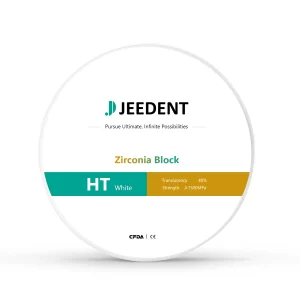
 White Zirconia Blocks
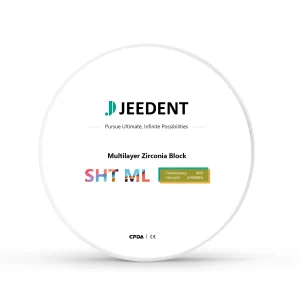 Multilayer Zirconia Blocks
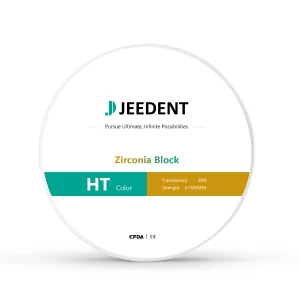 Color Zirconia Blocks
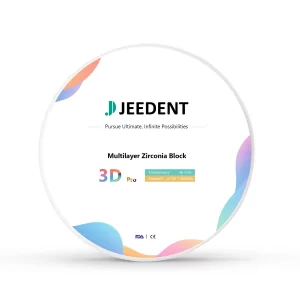 3D Zirconia Blocks
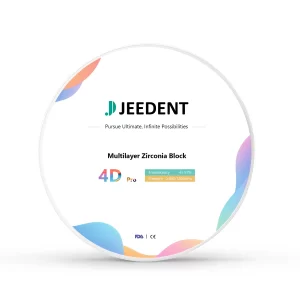 4D Zirconia Blocks
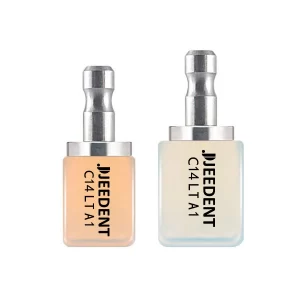 Amber Lithium Disilicate
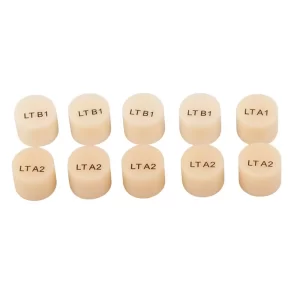 Press Porcelain
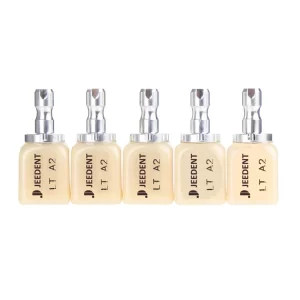 Non-sinterd Ceramics
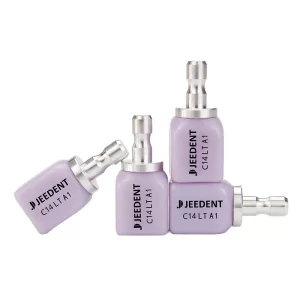 C14 Lithium Disilicate Ceramics
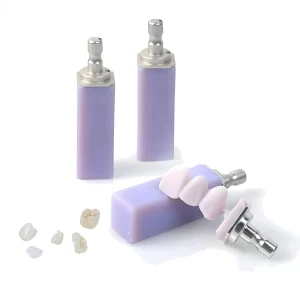 B40 Lithium Disilicate Ceramics
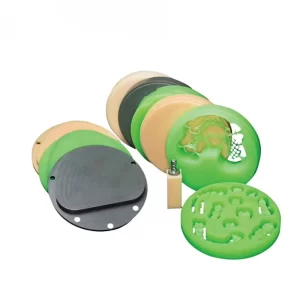 WAX Disc
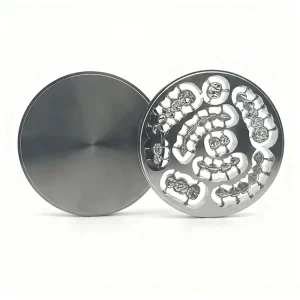 Titanium Disc
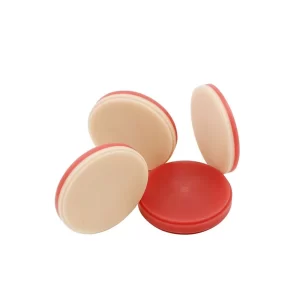 Double Layer PMMA Disc
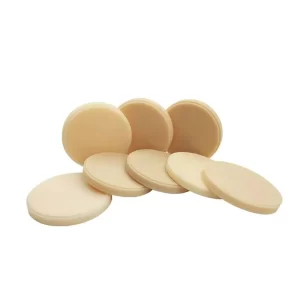 PMMA Disc
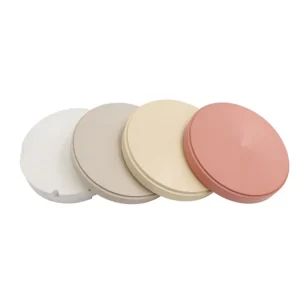 PEEK Disc
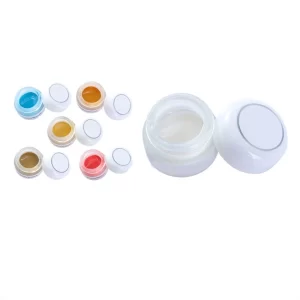 Stain & Glaze
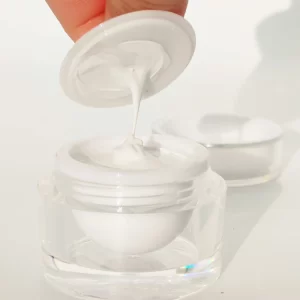 Dental Scanning Paste
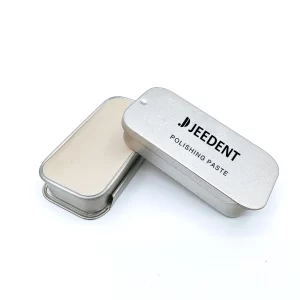 Dental Polishing Paste
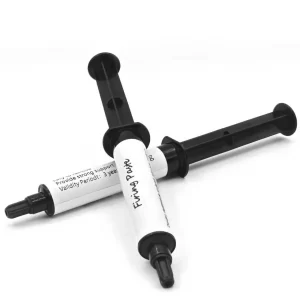 Dental Sintering Paste
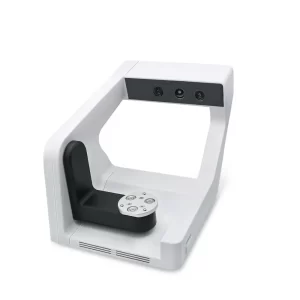 Desktop dental 3D scanners
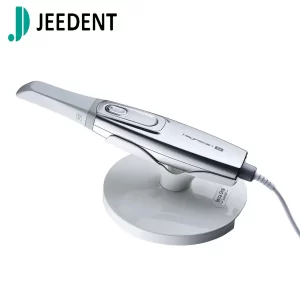 Intraoral scanner
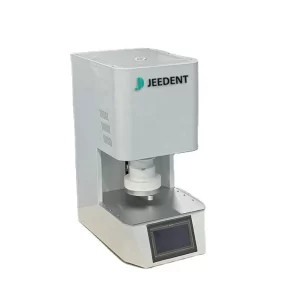 Dental Sintering Furnaces
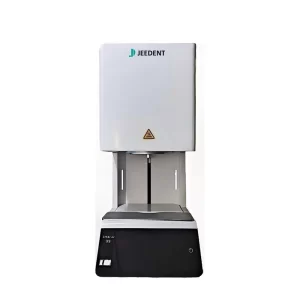 Dental Porcelain Furnace
 Dental Milling Machine
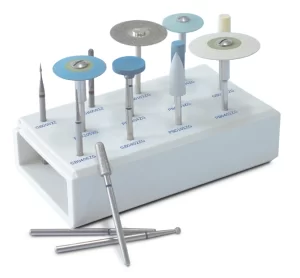 Dental polish kit
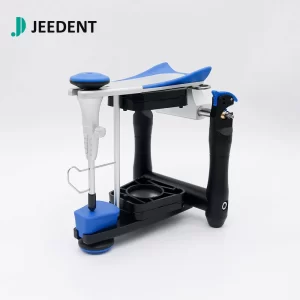 BN Articulator
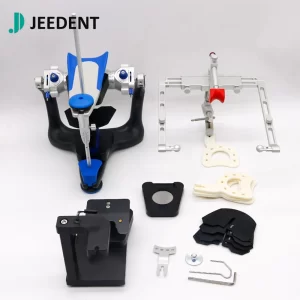 Full Adjustable Articulators
If you work in dentistry—whether you’re a dentist, a dental product buyer, or just curious about modern dental materials—you’ve probably heard of PEEK. The name stands for polyetheretherketone. It is a high-performance material. Many dental clinics now use it around the world. PEEK differs from older dental materials. Traditional options can feel heavy or stiff. PEEK offers a lighter and more comfortable alternative. It works well for both professionals and patients. This guide explains what PEEK is. It covers how dentists use PEEK in treatment. It also explains why PEEK continues to grow in popularity. The goal is to give you a clear and simple understanding of this material.
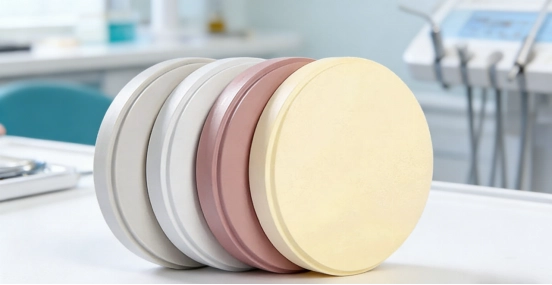
What is PEEK Dental Material?
Let’s start with a simple explanation. PEEK is a high-performance polymer. It is a strong and durable plastic. It is not the fragile type some people imagine. PEEK has chemical stability. It does not react with other substances. This property matters for materials used in the mouth every day. PEEK offers several physical benefits. It is lightweight and much lighter than metal. It resists heat well. Hot drinks do not cause warping. It also handles the wear from daily chewing. Biocompatibility is the most important feature. PEEK is non-toxic and hypoallergenic. It feels gentle against the gums. Dental materials need these qualities. They stay in contact with oral tissues for long periods.
Main Uses of PEEK in Dentistry
PEEK offers three key properties. It is lightweight. It contains no metal. It is also comfortable for patients. These qualities make PEEK a common material in modern dentistry. The following sections describe its applications in different areas of dental care.
Dental Restorations
PEEK appears in many dental restorations. Dentists use it for crowns and bridges. They also use it for inlays and onlays. Metal crowns have known drawbacks. They feel heavy in the mouth. They can show a dark line near the gum. PEEK crowns solve these problems. They feel light and comfortable. They also match natural tooth color well. Inlays and onlays serve teeth with partial damage. PEEK offers good strength for these cases. It resists chipping better than resin. The restorations last longer as a result.
Dental Implants
Dental implants are great for missing teeth, and PEEK makes them better. It’s used for implant abutments—the part connecting the jawbone implant to the crown. PEEK’s biocompatibility helps it blend with gums and jawbone, reducing irritation or rejection. It also makes temporary and permanent implant superstructures (the framework for multiple crowns). Unlike metal, PEEK doesn’t conduct heat or cold—no uncomfortable zing from hot or cold foods.
Orthodontics
Orthodontic treatments like braces can cause discomfort. PEEK helps reduce this problem. PEEK is used for brackets and wires. These parts are lightweight and smooth. They do not rub against cheeks or lips like metal. Patients find this more comfortable. PEEK retainers are also popular. They last a long time. They clean easily. They are also less noticeable than other options. For patients who dislike metal braces, PEEK offers a good alternative. It performs well while improving comfort.
Other Dental Applications
PEEK serves purposes beyond restorations and implants. It is also used in dental prosthetics. Removable denture frames are one example. Traditional denture frames feel heavy. They can be uncomfortable to wear. PEEK frames offer a lighter option. They also fit better. Patients find them easier to wear all day. PEEK appears in some dental surgical tools as well. Its strength supports reliable performance. Its corrosion resistance helps in clinic environments. Tools hold up well over time.
Key Advantages of PEEK Dental Material
Let us cover why PEEK outperforms many traditional materials.
- Biocompatibility. PEEK is hypoallergenic and non-toxic. It is safe for long-term use. This makes it ideal for patients with sensitive gums or metal allergies.
- Mechanical Strength. PEEK resists wear and impact. It is nearly as strong as natural teeth. It does not chip easily.
- Aesthetics. PEEK matches natural tooth color well. Restorations blend in and go unnoticed.
- Comfort. PEEK feels lightweight in the mouth. It does not conduct heat or cold. Patients find it comfortable.
- Durability. PEEK resists corrosion over time. It lasts for many years. This reduces the need for replacements.
- Processability. Dentists can shape PEEK easily. It adapts well to each patient’s needs.
- Cost-effectiveness. PEEK costs more upfront. But its long lifespan makes it a better value overall
PEEK vs. Traditional Dental Materials
Let’s compare PEEK with common alternative materials.
- PEEK vs. Metals (Titanium, Stainless Steel): PEEK is more aesthetically pleasing. It won’t leave a black line at the gum line. It’s more comfortable to wear. It’s lighter than metal. It doesn’t conduct heat or cold. Patients with metal allergies can tolerate PEEK well.
- PEEK vs. Ceramic :Ceramic has a natural appearance but is easily broken. PEEK is stronger. It can withstand pressure without cracking. It has a longer lifespan under high-intensity use.
- PEEK vs. Resin: Resin has a lower initial cost. However, it wears out quickly. PEEK has a longer lifespan. It can withstand greater pressure.
In short, PEEK combines the best properties of traditional materials while avoiding their common drawbacks.
Considerations for Using PEEK Dental Material
PEEK offers many benefits, but there are a few things to consider.
- Processing. PEEK requires special equipment for shaping and polishing. Not all clinics have these tools. Patients should confirm their dentist can work with PEEK.
- Maintenance. PEEK is easy to clean. Regular brushing and flossing still matter. Good oral hygiene helps the restoration last.
- Patient Fit. PEEK works well for most people. But it may not suit those with very heavy chewing habits. Some dental conditions also limit its use. Dentists can advise on the right choice for each case.
Conclusion
PEEK is changing the field of dentistry. It offers a strong mix of strength, comfort, looks, and body-friendly properties. It works for crowns, implants, braces, and dentures. It performs better than older materials for both patients and dental professionals. The global dental market continues to grow. PEEK will likely become more popular. More dentists and buyers are discovering its benefits. For dentists who want better patient care, PEEK is worth a look. For buyers seeking quality materials, it offers reliable performance. This is not just a passing trend. PEEK has become a durable and dependable choice.