
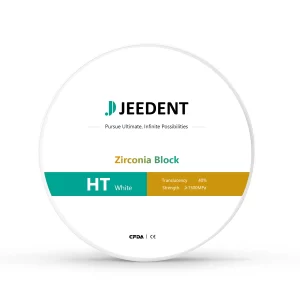
 Beyaz Zirkonya Bloklar
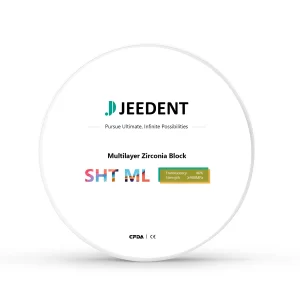 Çok Katmanlı Zirkonya Bloklar
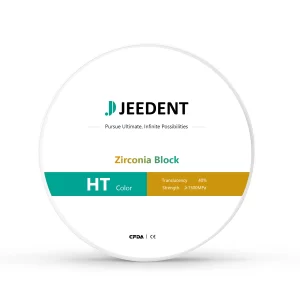 Renkli Zirkonya Bloklar
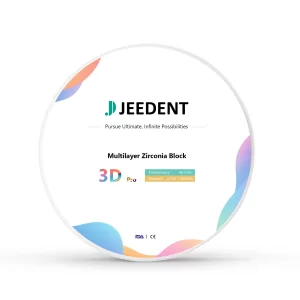 3D Zirkonya Bloklar
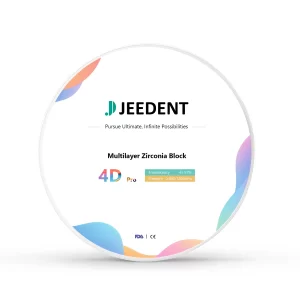 4D Zirkonya Bloklar
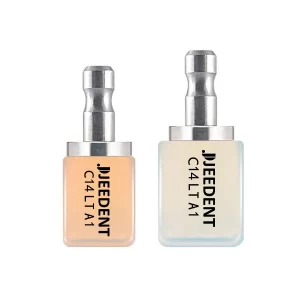 Amber Lityum Disilikat
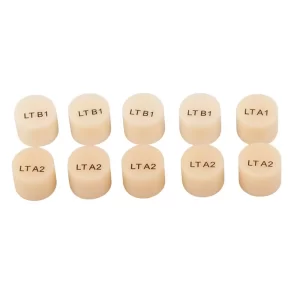 Pres Porselen
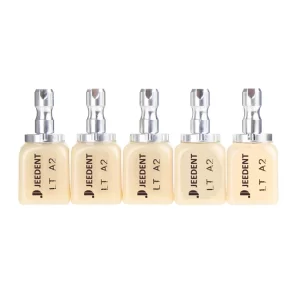 Sinterlenmemiş Seramikler
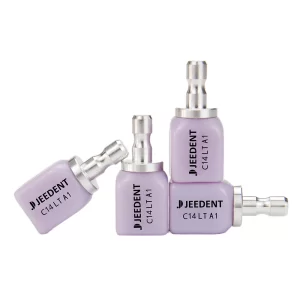 C14 Lityum Disilikat Seramikler
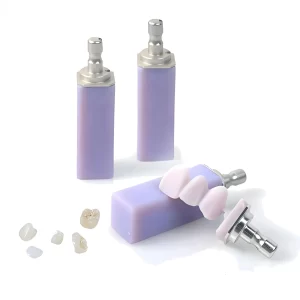 B40 Lityum Disilikat Seramikler
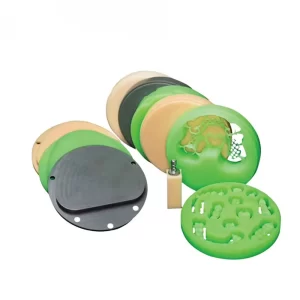 Balmumu Disk
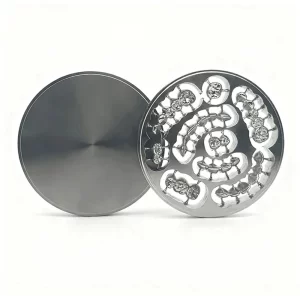 Titanyum Disk
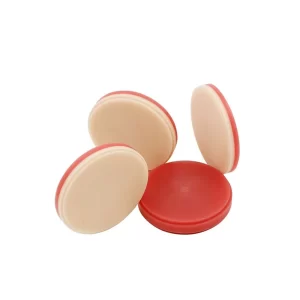 Çift Katmanlı PMMA Disk
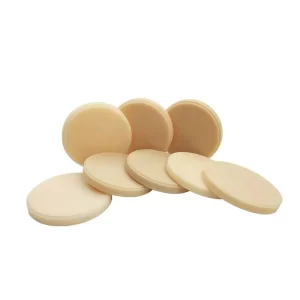 PMMA Disk
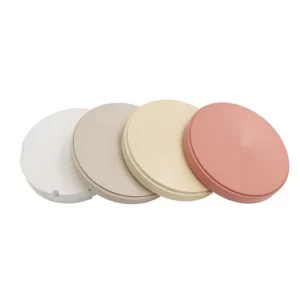 PEEK Dics
 Diş Frezleri
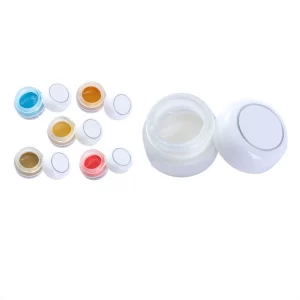 Leke ve Sır
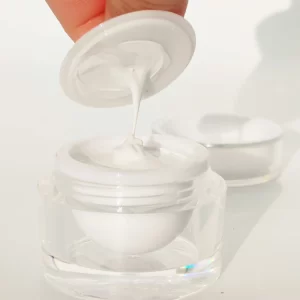 Diş Tarama Macunu
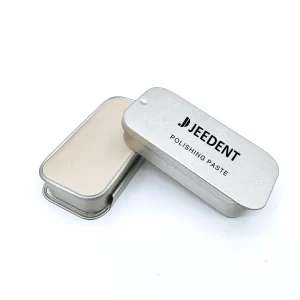 Diş Parlatma Macunu
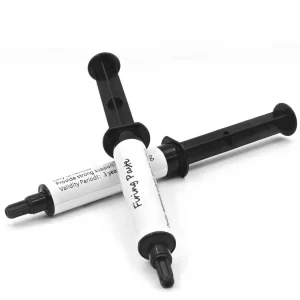 Dental Sinterleme Macunu
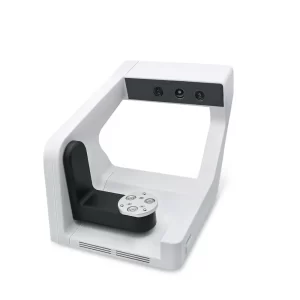 Masaüstü dental 3D tarayıcılar
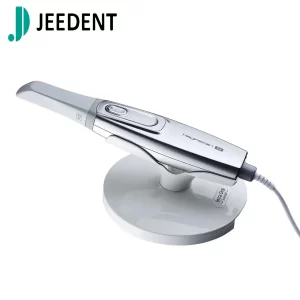 Ağız içi tarayıcı
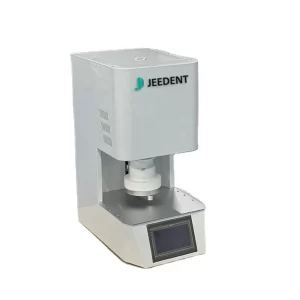 Dental Sinterleme Fırınları
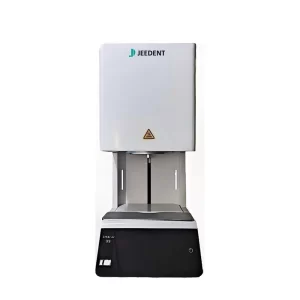 Diş Porselen Fırını
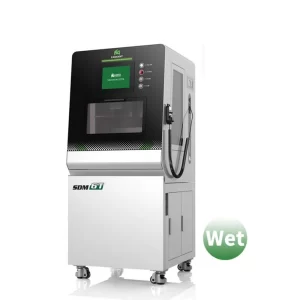 Diş Freze Makinesi
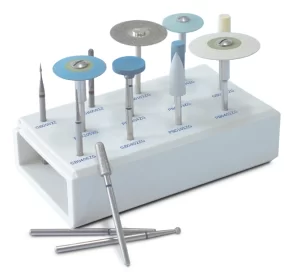 Diş cila seti
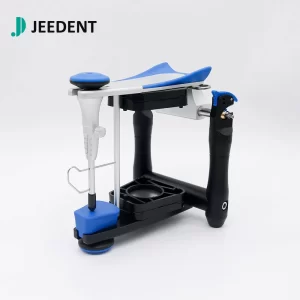 BN Artikülatör
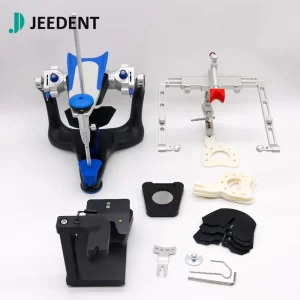 Tam Ayarlanabilir Artikülatörler
As a supplier of dental materials and equipment located in China, I believe that choosing the right zirconia blocks is crucial. This involves three aspects: the quality and durability of the restoration, and patient satisfaction. Zirconia blocks play a vital role in dental restorations nowadays. As a core material, it has three main characteristics: high strength; good biocompatibility, gentle on human tissues; and aesthetic appeal. To help dentists and dental technicians make informed decisions based on different situations and patients’ specific needs, I will briefly explain the factors to consider when selecting suitable zirconia blocks.
Core Performance Standards for Zirconia Block
In the process of dental restoration, to select the most suitable zirconia material, a comprehensive evaluation of its key properties is essential. High-quality zirconia ceramic blocks must simultaneously meet four basic criteria: flexural strength, aesthetics, biocompatibility, and compatibility with digital systems. Now, I will analyze the performance indicators of the zirconia block from these four aspects, providing reliable material selection basis for dental clinicians and dental laboratory professionals.
Excellent Resistance to Cracking
The crack resistance of zirconia blocks is a decisive factor in ensuring the long-term stability of restorations in the complex environment of the oral cavity. In clinical selection, its flexural strength and fracture toughness should be the primary evaluation indicators.For instance, single crowns or multi-unit Bridges in the posterior teeth area need to withstand relatively large bite forces. It is recommended to choose products with a bending strength of ≥900MPa. For complex restorations involving long bridges or implants, it is recommended to use ultra-high strength materials with a strength of over 1200 MPa to ensure that the restoration can maintain structural integrity and stability under long-term chewing loads.
Excellent Biocompatibility
The biocompatibility of zirconia blocks has a significant impact on the health and long-term stability of the surrounding tissues of the restoration. An ideal material should have ISO 10993 biological safety certification, avoid causing adverse reactions such as gingival inflammation and allergies in patients, and ensure the safety of long-term implantation. For patients with allergies, high-purity zirconia blocks with biocompatibility certified by authoritative institutions should be selected to reduce clinical risks.
Aesthetics: Color Closely Matches Natural Teeth
Aesthetics directly impact patient satisfaction with the restoration results.Clinical material selection requires a comprehensive match based on the patient’s tooth color, restoration location, and transparency requirements.The restoration of anterior teeth requires the selection of high-transparency zirconia blocks to simulate the transparency of natural tooth enamel, avoiding the occurrence of a stiff “false tooth sensation”; for posterior teeth restoration, the transparency can be appropriately reduced while focusing on ensuring strength.
CAD/CAM System Compatibility
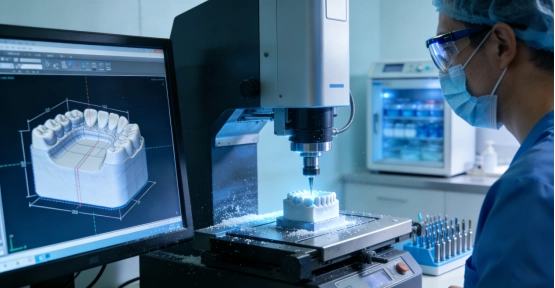
CAD/CAM system compatibility directly affects processing efficiency and restoration accuracy. We recommend using standardized materials that are compatible with mainstream CAD/CAM equipment. This helps to achieve efficient integration from digital design to physical fabrication and reduces the risk of processing errors or rework in clinical settings that may be caused by system incompatibility.
Zirconia Block Selection Based on Case Type
Different patients have different restorative needs. I believe that the appropriate zirconia block should be selected based on factors such as the location of the teeth and the specific type of restoration. This is to ensure the functionality and aesthetics of the final restoration and to meet the patient’s needs.
Anterior and Posterior Tooth Restoration
Regarding the restoration of anterior teeth, aesthetics is of great importance. I believe that using multi-layer high transparency zirconia materials is very appropriate. These materials have natural color gradients and translucency, which can well simulate the visual effect of anterior teeth and provide a more beautiful and realistic restoration result. For posterior teeth restoration, I think long-term stability is more important. Therefore, I suggest using single-layer high-strength zirconia materials. Its uniform material texture and good bending strength enable it to withstand the chewing pressure of posterior teeth, making the restoration more durable.
Selection by Restoration Type (Crowns/Bridges/Implants)
I believe that in single crown restoration, the position of the tooth needs to be taken into account, and a balance should be struck between strength and aesthetics. For anterior teeth, I recommend using multi-layered zirconia materials with good light transmission properties. For posterior teeth, single-layer zirconia with high strength is more suitable. For multi-unit bridge bodies, I suggest using high-strength zirconia with a compressive strength of 1000 MPa or higher, while also considering its toughness to reduce the risk of fracture. For implant-supported restorations, it is advisable to choose zirconia blocks with good dimensional stability and high compatibility with the restoration system. This ensures precise installation and reduces the possibility of loosening or displacement.
Practical Selection Tips
Mastering the correct material selection techniques and avoiding some common pitfalls can greatly improve the accuracy of selecting materials for zirconia blocks. This can effectively reduce clinical risks and minimize the additional costs associated with rework.
Vita Shade Matching Techniques
Color matching is essential in aesthetic dental restoration. To ensure consistency with natural teeth, zirconia blocks should be compatible with the full Vita shade range. For accurate matching, evaluate shades in natural lighting to avoid artificial light distortion—shade guides can further improve precision. In cases involving unique tooth colors, either use white zirconia for custom staining or select pre-shaded blocks directly from the manufacturer for true-to-nature results.
Equipment Compatibility and Processing Suitability
The processing compatibility of zirconia blocks directly affects the precision and effect of the final restoration. I strongly recommend you choose materials compatible with your CAD/CAM system. You also need to understand this material’s sintering characteristics. Make sure it’s compatible with your laboratory’s sintering furnace. This avoids dimensional inaccuracies or performance degradation. Selecting materials suitable for your staining, glazing and polishing processes is also crucial. It ensures the best final restoration outcome.
Conclusion
I considered the key to choosing the right zirconia block lies in effectively balancing the material’s core properties with the patient’s actual needs. How can we achieve this balance? The answer is, when choosing, we need to consider many factors at the same time. For example, fracture resistance, biocompatibility and aesthetics. We also have to make a precise choice based on the specific restoration type, the tooth’s position and the material’s compatibility with processing equipment. Following this systematic selection logic helps maintain the structural stability of the restoration in the long term and ensures its color remains natural and lifelike.