
 Блоки из белого циркония
 Многослойные блоки из диоксида циркония
 Цветные циркониевые блоки
 Блоки из диоксида циркония 3D
 Блоки из диоксида циркония 4D
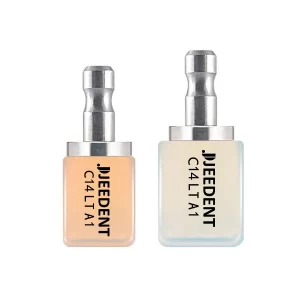 Янтарный дисиликат лития
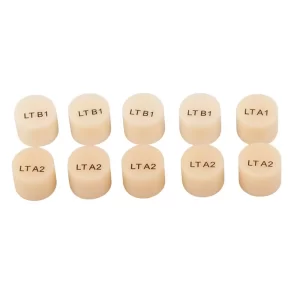 Пресс фарфоровый
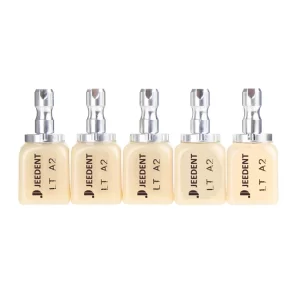 Неагломерированная керамика
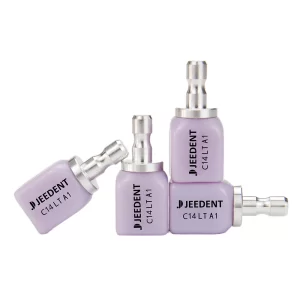 C14 Литий-дисиликатная керамика
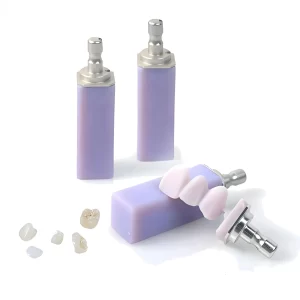 B40 Литий-дисиликатная керамика
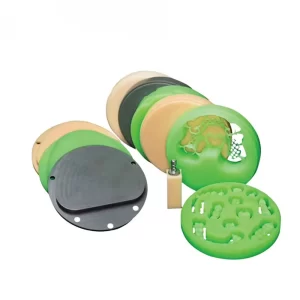 Диск WAX
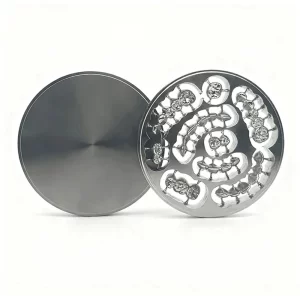 Титановый диск
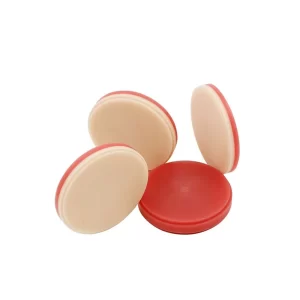 Двухслойный диск из ПММА
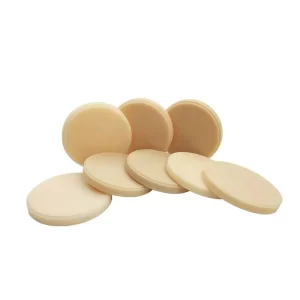 Диск из ПММА
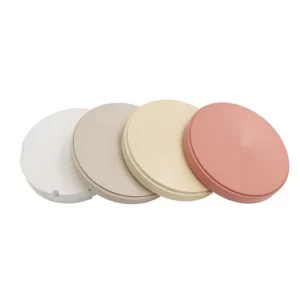 PEEK Dics
 Фрезерные боры для стоматологии
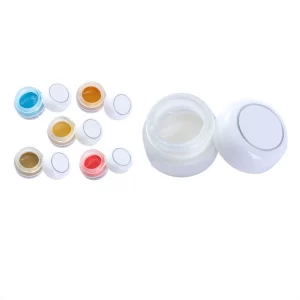 Морилка и глазурь
 Паста для сканирования зубов
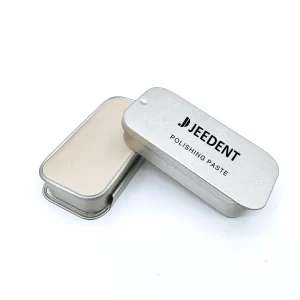 Полировочная паста для зубов
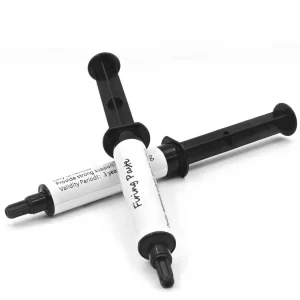 Паста для спекания зубов
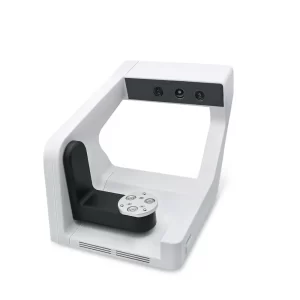 Настольные стоматологические 3D-сканеры
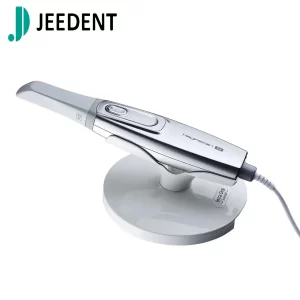 Интраоральный сканер
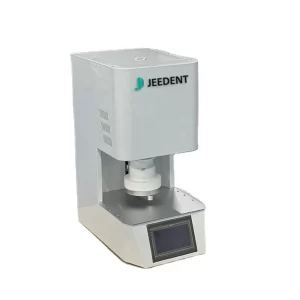 Печи для спекания зубов
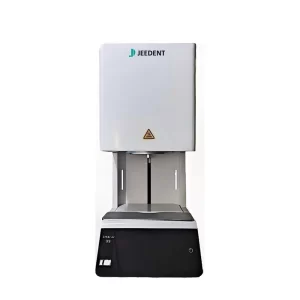 Печь для производства стоматологического фарфора
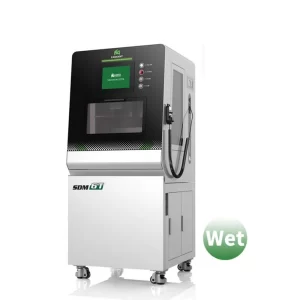 Стоматологический фрезерный станок
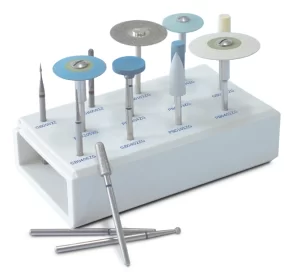 Набор для полировки зубов
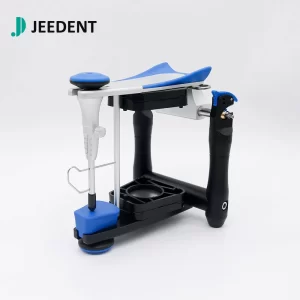 Артикулятор BN
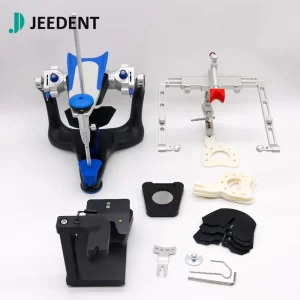 Полностью регулируемые артикуляторы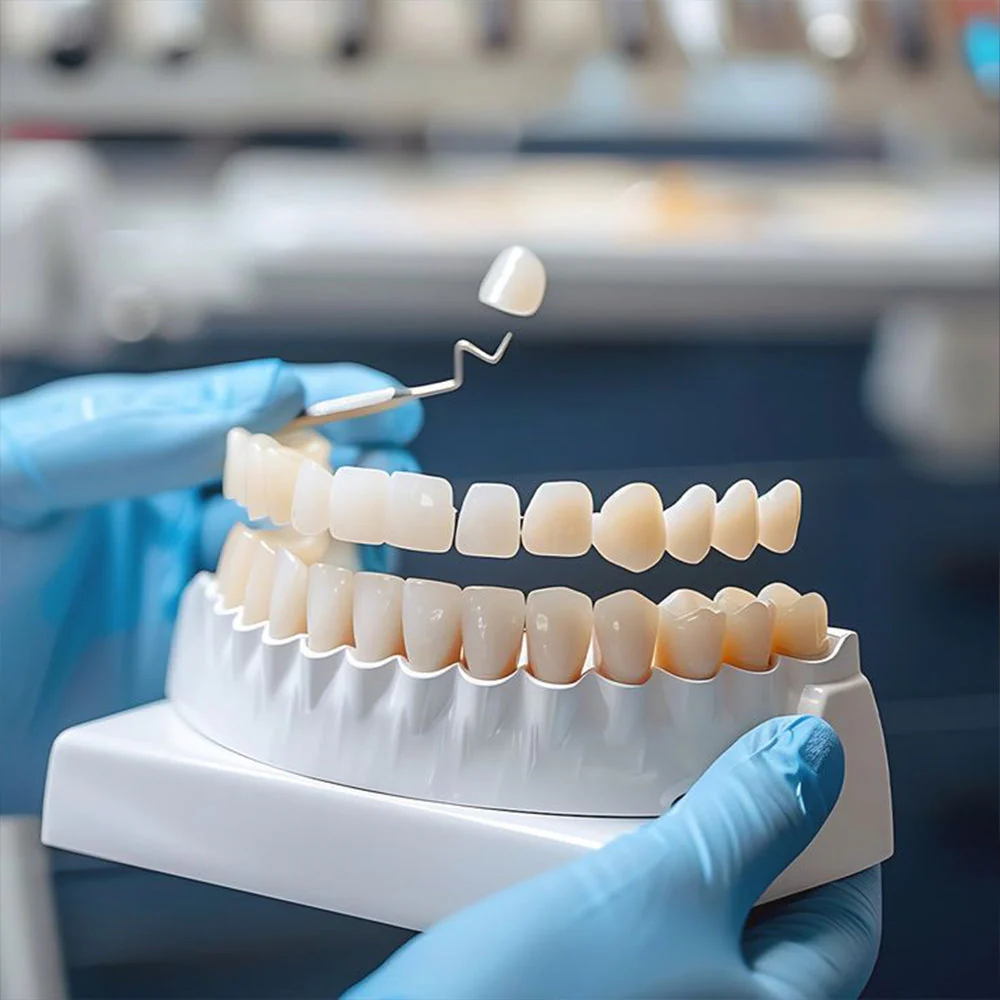
Porcelain veneers are a popular choice for enhancing the appearance of the upper anterior teeth. However, did you know that the design of the cut end can have a significant impact on the loading capacity of these veneers? Let’s explore the differences in loading capacity based on different cut end designs.
What are Porcelain Veneers?
Porcelain veneers are thin shells of ceramic material that are bonded to the front surface of teeth to improve their appearance. They are commonly used to correct issues such as discoloration, chips, cracks, and gaps in the teeth.
Understanding Loading Capacity
Loading capacity refers to the amount of force or pressure that a material can withstand before it fails. In the case of porcelain veneers, loading capacity is an important factor to consider, as the teeth are constantly subjected to forces such as biting and chewing.
The Role of Cut End Designs
When it comes to porcelain veneers, the design of the cut end can impact their loading capacity. Different cut end designs, such as feathered, chamfered, or shoulder, can affect how the veneer distributes and absorbs forces.
Feathered Cut End Design
A feathered cut end design features a rounded edge that blends seamlessly with the natural tooth. While this design provides a more aesthetic result, it may have a lower loading capacity compared to other designs due to the lack of a defined margin.
Chamfered Cut End Design
A chamfered cut end design features a beveled edge that allows for a stronger bond between the veneer and the tooth. This design can improve the loading capacity of the veneer by providing a more stable and secure attachment.
Shoulder Cut End Design
A shoulder cut end design features a distinct shoulder at the margin of the veneer, providing a clear endpoint for the material. This design offers the highest loading capacity of the three options, as it creates a strong and durable bond with the tooth.
Conclusion
In conclusion, the cut end design of porcelain veneers plays a crucial role in determining their loading capacity. While feathered designs may offer a more natural appearance, chamfered and shoulder designs are better suited for maximizing the strength and durability of the veneers. When considering porcelain veneers for the upper anterior teeth, it is important to discuss the cut end design options with your dentist to ensure the best possible outcome.