
 Blocos de zircónio branco
 Blocos de zircónio multicamada
 Blocos de zircónio colorido
 Blocos de zircónio 3D
 Blocos de zircónio 4D
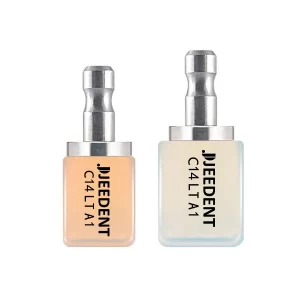 Dissilicato de lítio âmbar
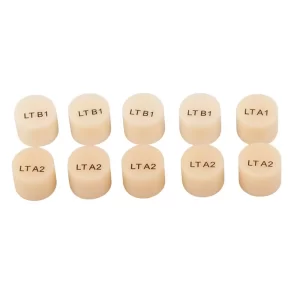 Porcelana de imprensa
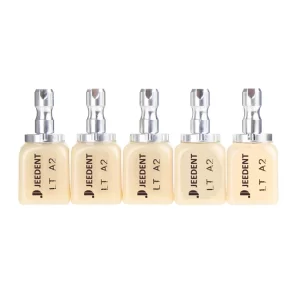 Cerâmica não sinterizada
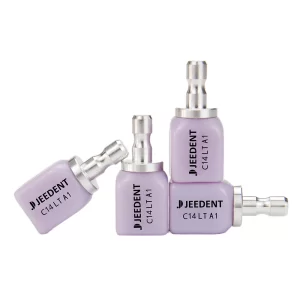 C14 Cerâmica de dissilicato de lítio
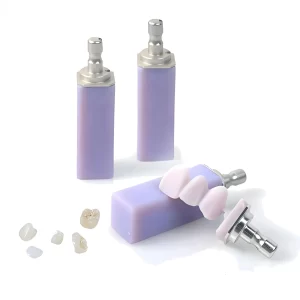 B40 Cerâmica de dissilicato de lítio
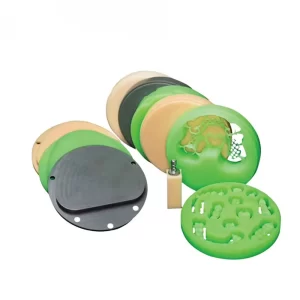 Disco WAX
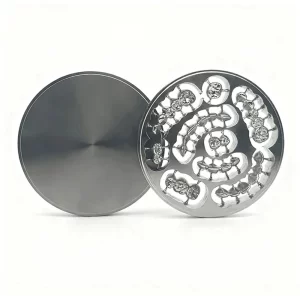 Disco de titânio
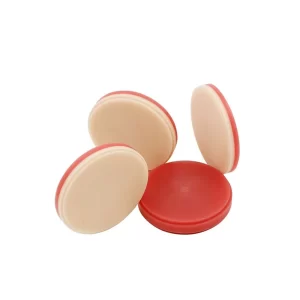 Disco PMMA de camada dupla
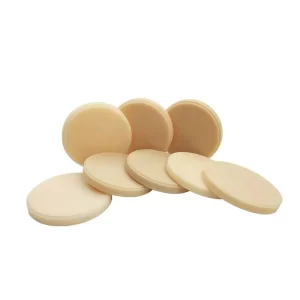 Disco PMMA
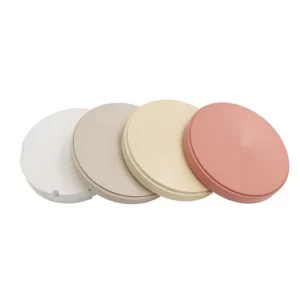 PEEK Dics
 Brocas para fresagem dentária
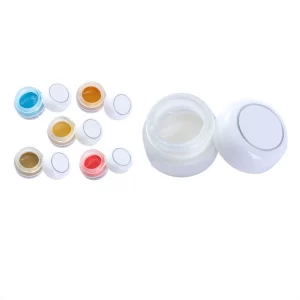 Manchas e esmaltes
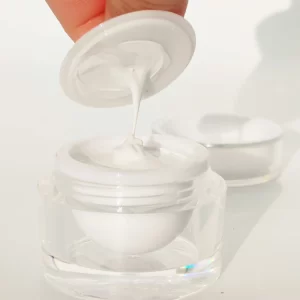 Pasta de digitalização dentária
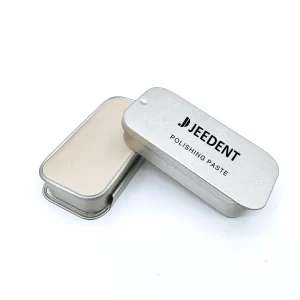 Pasta de polimento dentário
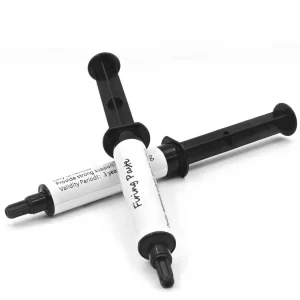 Pasta de sinterização dentária
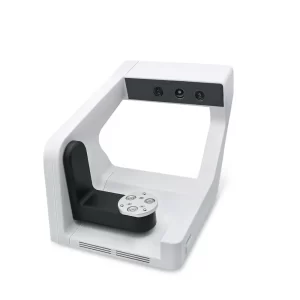 Scanners 3D dentários de secretária
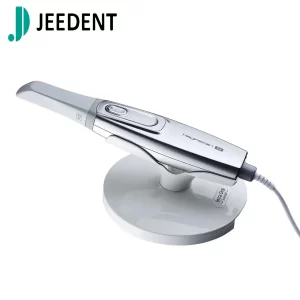 Scanner intra-oral
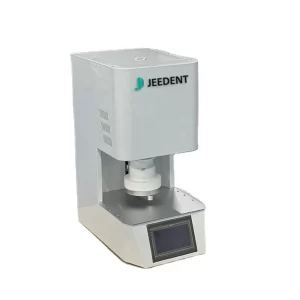 Fornos de sinterização dentária
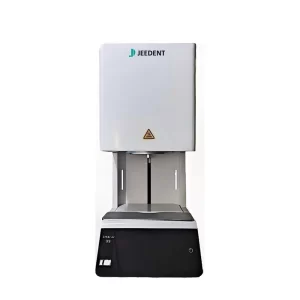 Forno de porcelana dentária
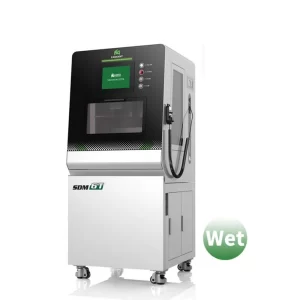 Fresadora dentária
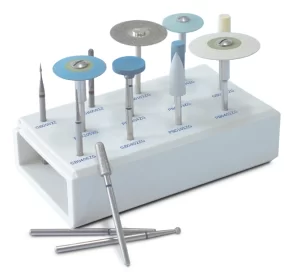 Kit de polimento dentário
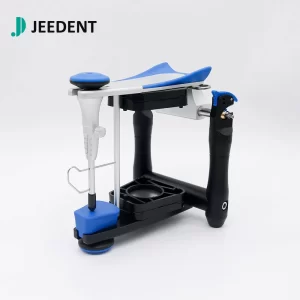 Articulador BN
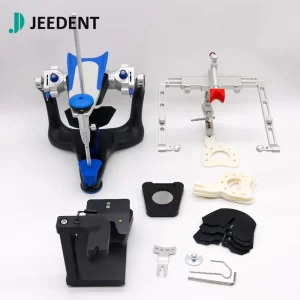 Articuladores totalmente ajustáveis
In dental restoration, material choice is crucial. It directly impacts the final treatment outcome and patient satisfaction. When selecting materials, we must consider natural aesthetics, durability and safety. Lithium disilicate ceramics, a highly regarded “all-around material” in recent years, have become popular among dentists and laboratory technicians. They offer combined advantages in aesthetics, strength and biocompatibility. As a dental materials and equipment supplier, we have conducted in-depth research on this material. I am very excited to share its superior performance and application scenarios with you.
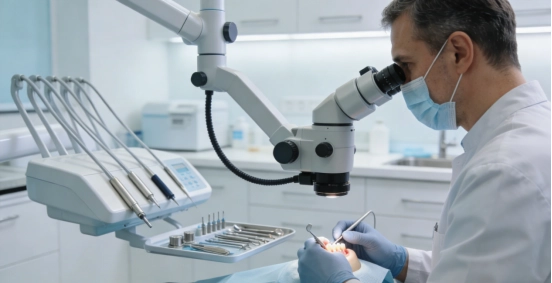
Core Advantages of Lithium Disilicate Ceramics
Lithium disilicate ceramics have gained widespread recognition in dentistry not without reason. They combine several key advantages that meet the demands of both clinicians and patients in modern restorative practice.
Excellent Aesthetic Performance
When it comes to anterior dental restorations, what patients care most about is “naturalness”. Lithium disilicate ceramics have a light transmittance of 45%-55%, and their refractive index is very close to that of natural teeth—both to the touch and the eye, they exude a natural translucency, without the stiffness of some other materials. Moreover, it offers a complete color range, compatible with the Vita 16-shade guide. Whether a patient’s teeth are slightly white, yellowish, or have subtle color differences, it can achieve a precise match.The restored teeth look incredibly realistic under sunlight and artificial light.
Balanced Strength and Durability
Lithium disilicate strikes the perfect balance between strength and toughness. Its flexural strength hits 470–595 MPa, with excellent fracture toughness around 2.0-2.5 MPa・m¹/². It withstands chewing pressure without brittleness. Unlike fragile glass ceramics, it holds up well over time. Clinical data shows 10+ years of service with proper care. It’s ideal for anterior teeth and premolars, areas needing both aesthetics and functionality. No more chipping-related restoration redos, saving you and your patients time and hassle.
Excellent Biocompatibility
Lithium disilicate is very biocompatible. Its makeup is stable. It does not contain metals like nickel or beryllium that often cause allergies. This material meets the ISO 10993 safety rule for things used in dentistry. It is gentle on a person’s gums and the soft lining of the mouth. This gentleness means there is less chance of redness, irritation, or allergic problems. Even people with sensitive mouths can use it without worry. It is also safe for dental work meant to last many years. The material is not toxic. It does not cause cancer. You can recommend it to patients with full confidence. Putting patient safety first is always the right choice.
Easy Processability and Clinical Adaptability
Lithium disilicate is really easy to work with. That’s what makes it stand out. You can mill it digitally. You can also use the traditional press method. It works smoothly on most standard lab tools. It doesn’t chip or crack easily. This eases technicians’ work. It also cuts down on waste. Clinicians benefit from its flexibility. That’s a big plus. It works for delicate front tooth veneers. It also works for strong back molar crowns. You usually don’t need to remove much healthy tooth structure. The bonding step is simple. It works well with common adhesives. You don’t have to guess much when placing it. It processes reliably. It’s also versatile in clinical use. These traits make it a practical choice. It saves time. It always delivers good results.
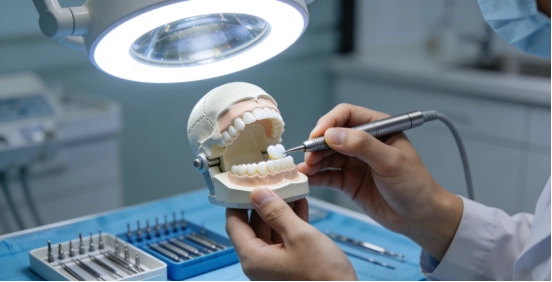
Professional Application Guide
Lithium Disilicate Ceramics, as a modern restorative material, has been widely verified for its clinical application value. It successfully breaks through the aesthetic and functional limitations of traditional restorative materials, enabling dentists to use the same core material in both the anterior aesthetic zone and the posterior functional zone. This not only simplifies the material selection process but also ensures consistency and practicality in restorative quality.
Anterior Aesthetic Restoration
If a patient wishes to improve the appearance of their front teeth, our main goal is simple: to make the teeth look natural and beautiful while minimizing damage to healthy teeth. Lithium disilicate is very strong, meaning we can use extremely thin lithium disilicate veneers, the thinnest being only about 0.3 millimeters, roughly one-third the thickness of a business card. This allows us to shape teeth into translucent, layered forms while removing almost no natural tooth structure. Whether restoring a missing front tooth or performing a full-mouth smile reconstruction, lithium disilicate blends perfectly. Its color, translucency, texture… all match natural teeth perfectly. The final result looks incredibly natural.
Posterior Functional Restoration
In the past, posterior teeth weren’t considered a big aesthetic concern—they’re just not very visible. But these days, patients want their restorations to look natural, even in areas that don’t show.That’s where lithium disilicate comes in. It’s strong enough to handle the daily forces of chewing, which makes it a great choice for crowns, inlays, and onlays on back teeth. You get something that’s both durable and good-looking.It’s also a perfect option for patients with metal allergies, or for anyone who simply prefers to have metal-free dental work. It checks all the boxes.
Clinical Procedures and Maintenance
From a clinical standpoint, lithium disilicate is very user-friendly. The bonding process is straightforward—it’s similar to other all-ceramic systems and doesn’t require any special, complicated steps. Most regular dental resin cements bond to it really reliably. For patients, taking care of lithium disilicate ceramic teeth is just like caring for natural ones. Just brush carefully, floss often, and go for regular dental check-ups. This material is strong, but it’s better not to bite super hard things like crab shells or nut shells. A little extra careful care will make these restorations last much longer.
Conclusion
Lithium disilicate ceramics have become a standard material in modern dentistry. Dental professionals consistently choose this material for its practical advantages. It produces restorations that are both strong and natural-looking. The material demonstrates good durability over time. Its compatibility with oral tissues is well established. Clinical handling is generally straightforward.This material serves multiple purposes in dental practice. It effectively enhances the appearance of anterior teeth. It also provides reliable function for posterior teeth. Patients receive restorations that feel comfortable and show longevity.For cases requiring both aesthetics and function, lithium disilicate ceramics offer a balanced solution. The material addresses fundamental clinical requirements while maintaining consistent performance across various applications.