
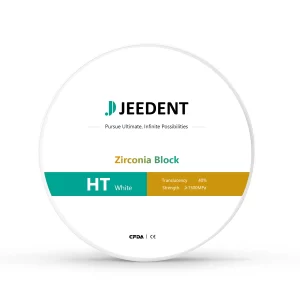
 Blocchi di zirconi bianchi
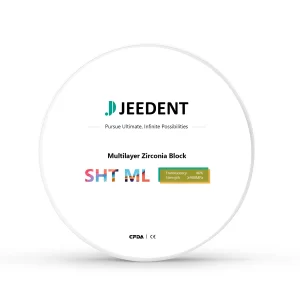 Blocchi di zirconio multistrato
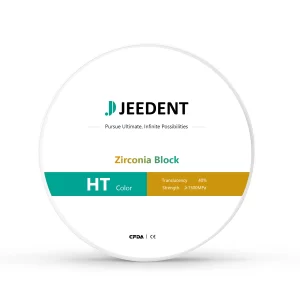 Blocchi di zirconi colorati
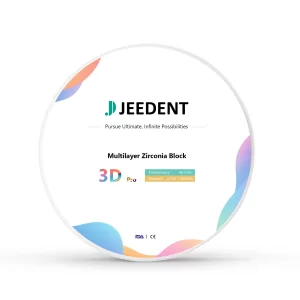 Blocchi di zirconio 3D
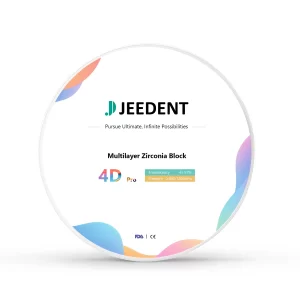 Blocchi di zirconia 4D
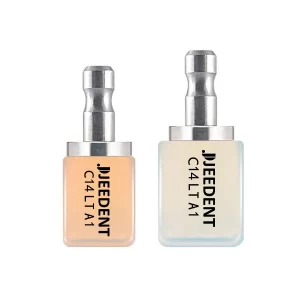 Disilicato di litio ambrato
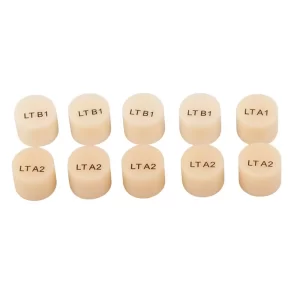 Porcellana da stampa
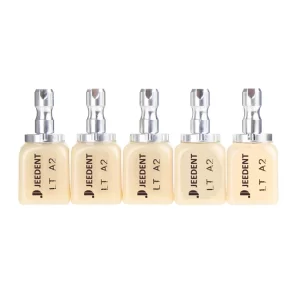 Ceramica non sinterizzata
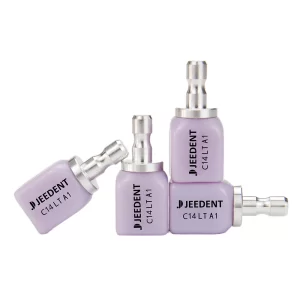 Ceramica al disilicato di litio C14
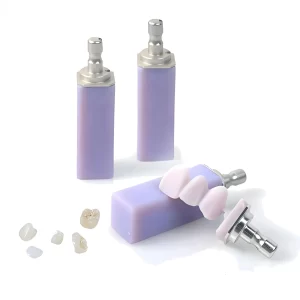 B40 Ceramica al disilicato di litio
 Disco WAX
 Disco in titanio
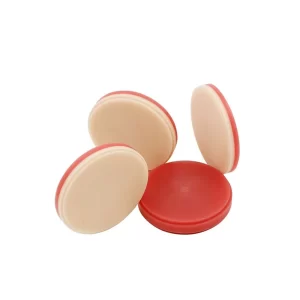 Disco in PMMA a doppio strato
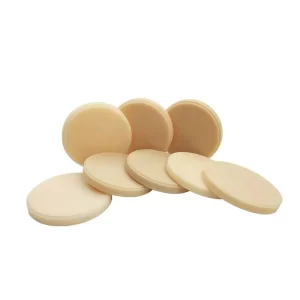 Disco in PMMA
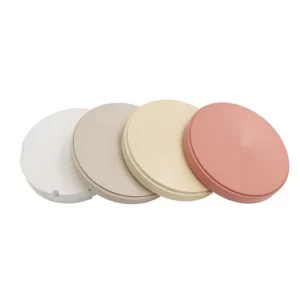 PEEK Dics
 Frese dentali
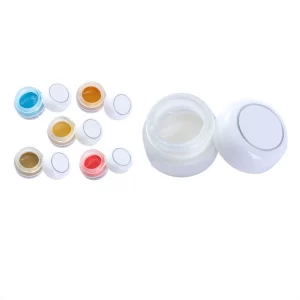 Macchie e smalti
 Pasta per scansione dentale
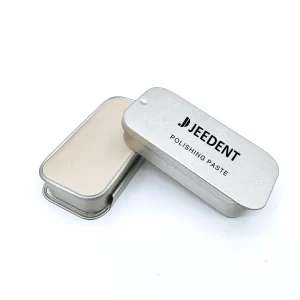 Pasta per lucidare i denti
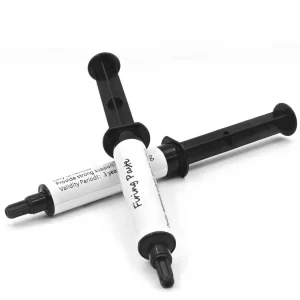 Pasta per sinterizzazione dentale
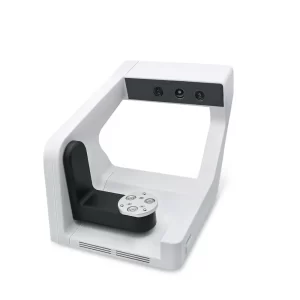 Scanner 3D dentale da tavolo
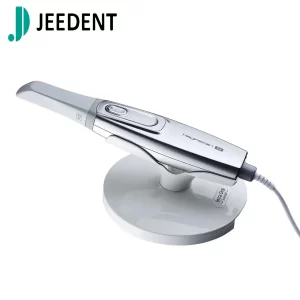 Scanner intraorale
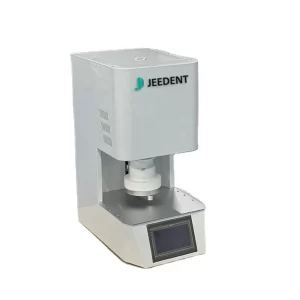 Forni di sinterizzazione dentali
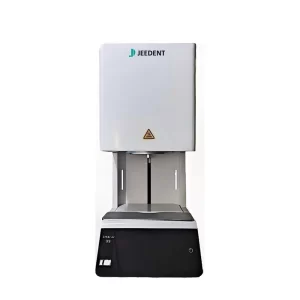 Forno per porcellana dentale
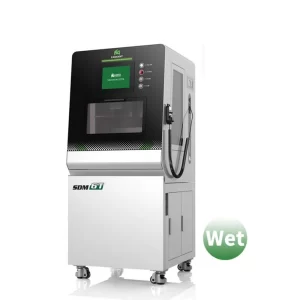 Fresatrice dentale
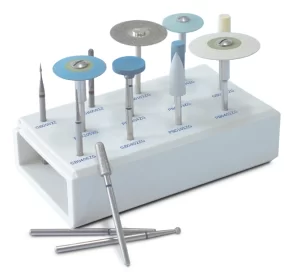 Kit di lucidatura dentale
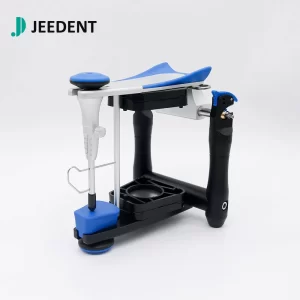 Articolatore BN
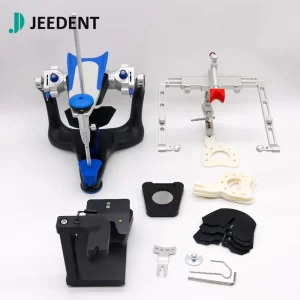 Articolatori completamente regolabili
In routine dental restorations, single-layer and multi-layer zirconia blocks are two commonly used materials. As a dental materials and equipment supplier located in Hangzhou, Zhejiang Province, China, we frequently receive inquiries from customers regarding the differences between single-layer and multi-layer zirconia blocks. Many customers are confused when making their choice and don’t know how to decide. They feel that choosing the more expensive multi-layer zirconia blocks might be a waste and unnecessary. They also worry that choosing the cheaper single-layer zirconia blocks might not achieve the desired results, leading to increased processing difficulty or even rework. Don’t worry, today I will explain the differences between single-layer and multi-layer zirconia blocks in the simplest and clearest language to help you make the best choice.
Definition and Characteristics
At the beginning of this article, I would like to first explain what single-layer zirconia blocks and single-layer zirconia blocks are, as well as their respective advantages and disadvantages, so that readers can understand and distinguish them.
Single-layer Zirconia
Single-layer zirconia blocks are dental restoration preforms made from a single, homogeneous zirconia ceramic material. Their chemical composition, crystal structure, color, and transparency are completely consistent throughout the preform. Their flexural strength can reach over 1200 MPa. The processing is relatively simple. Single-layer zirconia has some drawbacks in terms of optical performance. Its optical characteristics are generally rather monotonous. They lack the light transmission gradient found in natural teeth. They also do not have the color gradation that can be seen in real natural teeth. This makes the dental restorations look very artificial and completely lacking in a sense of reality.
Multi–layer Zirconia
Multi-layer zirconia blocks are a relatively advanced material in modern dental restoration. They can simulate the color and translucency of natural teeth in a layered manner, with different shades of color transitioning from top to bottom, making the restoration look more natural and aesthetically pleasing, and meeting the aesthetic requirements of patients. However, in my opinion, it is not perfect either. It is more expensive than a single-layer zirconia block, but slightly weaker, and the processing is more complex and requires higher precision.
Core Difference Analysis
In the following article, I will discuss the main differences between single-layer and multi-layer zirconia, focusing on four dimensions: strength, aesthetics, processing difficulty, and clinical applications. Combining practical dental experience, We will help beginners quickly understand their differences and learn how to choose the appropriate model.
Appearance and Aesthetics
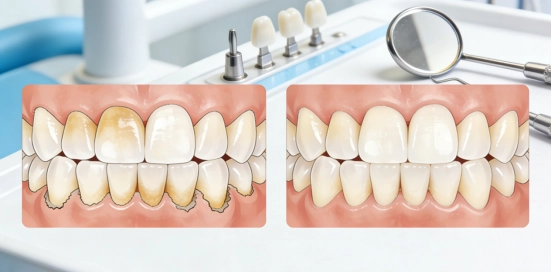
From an aesthetic point of view, after the restoration is made, the color of a single-layer zirconia block will be too uniform and appear rather stiff, with an overall mediocre visual effect; while multi-layer zirconia blocks have a natural transition in color and transparency, better simulating the color of natural teeth, making the restoration look more realistic.
Strength and Durability
What requirements must restorations meet for long-term use? Strength and durability are two paramount factors. Single-layer zirconia blocks exhibit exceptionally high overall strength. Their total compressive strength ranges approximately 1000-1200 Mpa. Their entire structure is uniformly consistent. There is absolutely no issue with delamination. Multi-layer zirconia blocks employ a design comprising distinct layers. Each layer possesses differing strength characteristics. The surface layer exhibits compressive strength of approximately 800-1000 MPa. The inner layers demonstrate compressive strength ranging from 1000-1100 MPa. Therefore, in terms of strength and durability, I consider single-layer zirconia to be the superior choice.
Processing Difficulty and Practical Operation
Single-layer zirconia is simple to work with and easy to process. It usually won’t chip, and it won’t crack either, not in normal use. Even people who are just starting out—total beginners—can operate it without any trouble. The sintering temperature can be kept right at 1450-1500℃. You don’t need to make any complicated adjustments for it. That means it saves you a lot of time, and it doesn’t take too much effort either. Multi-layer zirconia is a little more complicated when you’re processing it. The main thing you need to do is pay close attention to how the layers connect to each other. If you don’t focus on that layer connection, some problems might pop up. You could get uneven coloring. Chipping might happen too, and delamination issues could come up as well.
Cost and Clinical Recommendations
Single-layer zirconia blocks have a lower purchase price and a simpler processing process, making them more cost-effective and practical overall. They are well-suited for posterior tooth restorations and standard full crowns where aesthetics are less critical, but higher strength is required. They are also suitable for patients with limited budgets due to their lower price. Multi-layer zirconia blocks, on the other hand, are more expensive, requiring meticulous polishing and micro-staining techniques, as well as more time and patience, thus increasing processing costs. They are more suitable for aesthetic anterior tooth restorations. Anterior tooth restorations place great emphasis on appearance, aiming for a natural and attractive look. Multi-layer zirconia blocks achieve a good balance between strength and natural aesthetics, providing sufficient strength while maintaining a natural and beautiful appearance similar to natural teeth.
Conclusion
I believe that single-layer and multi-layer zirconia ceramic blocks each have their own advantages and disadvantages. There is no absolute “good” or “bad,” nor is any type necessarily superior. The most important thing is your personal choice. You need to make a choice not only based on the specific situation but also considering the patient’s needs. For routine dental restorations or high-stress areas such as posterior teeth, I believe single-layer zirconia blocks are generally a better choice. However, for aesthetic restorations of anterior teeth, smile design projects, and high-end clinics with extremely high requirements for the naturalness and aesthetics of the restoration, I recommend using multi-layer zirconia blocks.Choosing the right material not only helps control costs but also ensures restorative results and patient satisfaction.