
 Blocs de zirconium blanc
 Blocs de zircone multicouches
 Blocs de zircone de couleur
 Blocs de zircone 3D
 Blocs de zircone 4D
 Disilicate de lithium ambré
 Porcelaine de presse
 Céramique non frittée
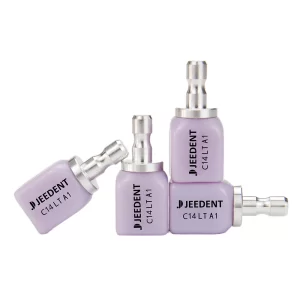 C14 Céramiques à base de disilicate de lithium
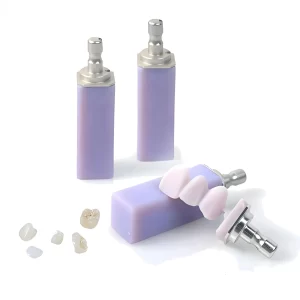 B40 Céramiques à base de disilicate de lithium
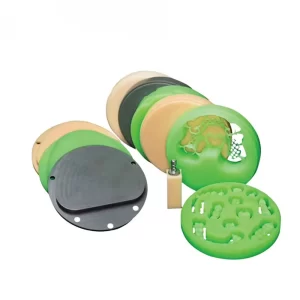 Disque WAX
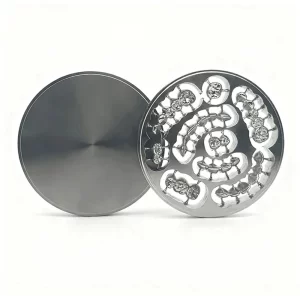 Disque en titane
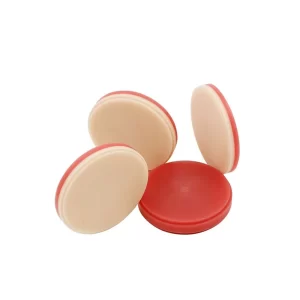 Disque PMMA double couche
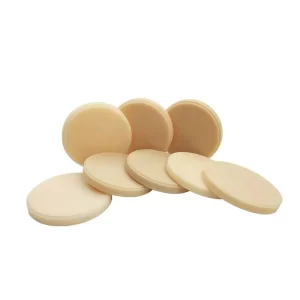 Disque PMMA
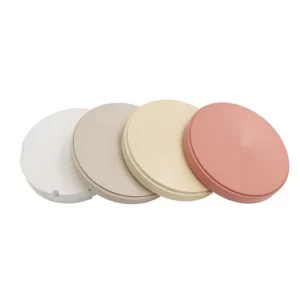 PEEK Dics
 Fraises dentaires
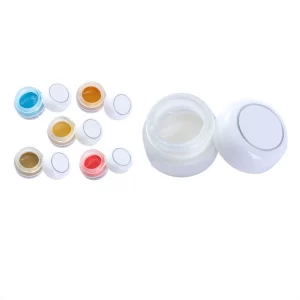 Teinture et glaçage
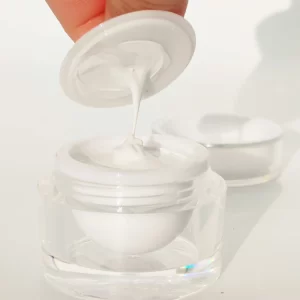 Pâte de scannage dentaire
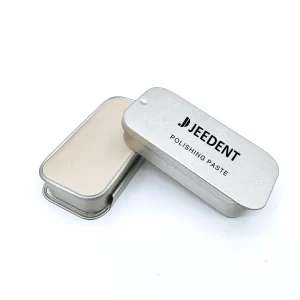 Pâte à polir dentaire
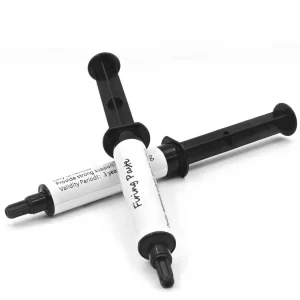 Pâte de frittage dentaire
 Scanners 3D dentaires de bureau
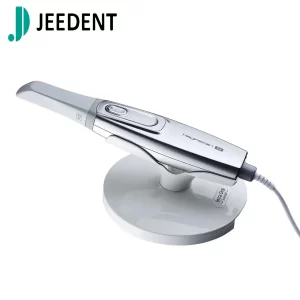 Scanner intra-oral
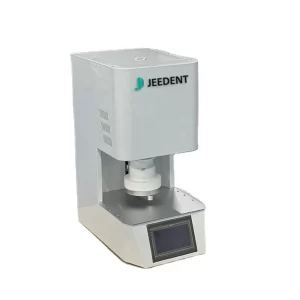 Fours de frittage dentaire
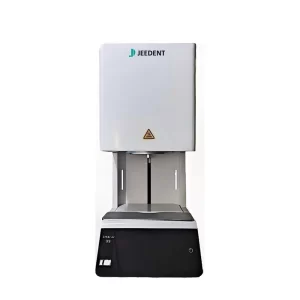 Four à porcelaine dentaire
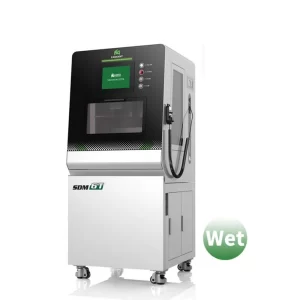 Fraiseuse dentaire
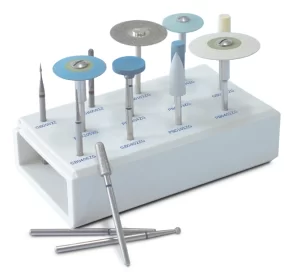 Kit de polissage dentaire
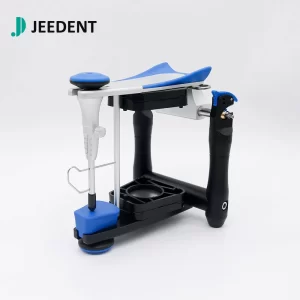 Articulateur BN
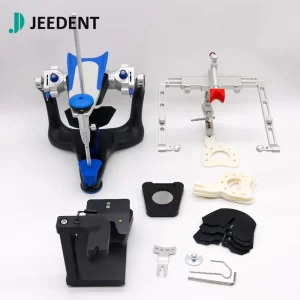 Articulateurs entièrement réglables
Nowadays,custom dental restorations are getting more and more popular. Whether someone’s getting dental implants or porcelain crowns, they’re paying way more attention to things like personalization, precision, and how long they’ll last. Titanium disc is a total must-have core material for custom dental restorations—it’s super crucial, whether you’re making the base or the core part of the restoration. As a supplier of dental materials and equipment, we’ve also done some research on titanium discs ourselves. Today, we’re gonna focus right on titanium discs, and clearly break down why they’re especially good for custom dental restorations.
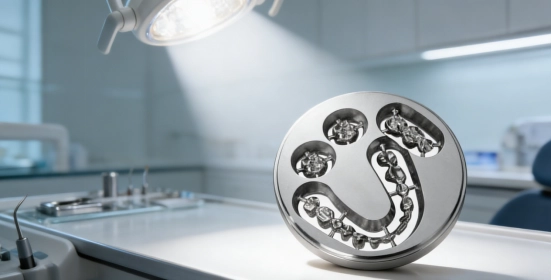
Definition and Application
Titanium dental crowns hold significant value in modern dental restoration. We begin by examining dental titanium discs. We then explore their clinical applications.
Definition of Titanium Discs
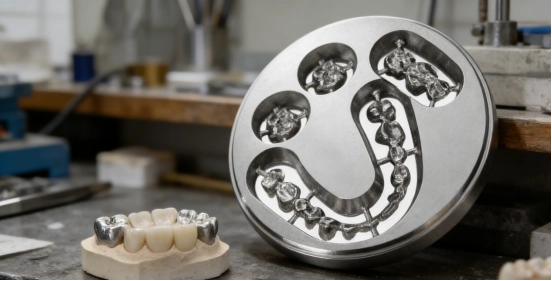
Dental titanium discs are medical-grade circular blanks. They act as the key material for making custom dental restorations in dental labs. These discs are designed for CAD/CAM systems. They are milled into precision-fit crowns, bridges, and implant parts. Each restoration matches the patient’s anatomy. Titanium discs offer strong biocompatibility. They provide high strength and stable machining performance. This combination supports the creation of durable dental restorations. These restorations perform reliably in clinical use over the long term.
Application Scenarios
Dental titanium discs are widely used in CAD/CAM systems. They provide the key material for producing custom dental restorations. These discs are milled to create permanent crowns. They also form multi-unit bridges and implant-supported structures such as abutments and bars. Their biocompatibility and mechanical strength make them ideal for full-arch reconstructions. They are equally suitable for long-span prosthetic cases. Dental labs can select colored or layered titanium discs. This helps achieve natural-looking aesthetic results. In daily laboratory practice, these discs support efficient workflows. They enable precise fabrication of durable restorations. These restorations meet both functional needs and aesthetic goals in clinical rehabilitation.
Core Advantages of Titanium Discs
Now let’s get straight to the point—let’s talk about the core advantages of our titanium discs, the ones that make them stand out for custom dental restorations. As a dental materials supplier, we’ve tested and used these discs ourselves, so we know exactly what matters most to you and your patients.
Biocompatibility: The Body’s Compatible Partner
First of all, the biggest win with our titanium discs is how well they work with the human body—we call that biocompatibility, but basically, it’s just really gentle on the mouth. They don’t cause irritation, they don’t trigger allergies, and even folks with metal sensitivities can use them safely. That’s because we use high-quality medical-grade titanium, no nickel or chromium or any of those irritating metals.Titanium demonstrates excellent osseointegration with bone tissue. Upon implantation, it achieves secure fixation. This ensures restorations maintain stable positioning. They resist loosening over extended periods. This characteristic offers significant clinical advantages for practitioners and patients alike.
Mechanical Advantages: Strength and Lightness
The core mechanical property of titanium discs lies in their exceptional strength-to-weight ratio. With strength exceeding stainless steel by 1.5 times and density only 60% that of stainless steel, restorations fabricated from titanium can withstand high masticatory forces without imposing excessive weight on patients. In clinical applications, this characteristic is particularly suitable for high-load scenarios such as posterior restorations and multi-unit implant bridges—effectively dispersing occlusal impact forces and preventing microcracks or deformations caused by stress concentration. Fatigue testing data from our laboratory shows that restorations made from titanium discs maintain over 95% structural integrity after simulating ten years of chewing cycles, truly achieving the clinical goal of being “strong yet lightweight.”
Corrosion Resistance: Stability in the Oral Environment
The oral environment is wet, acidic, and rich in bacteria. These conditions challenge many materials. Titanium performs well in this setting. Its surface forms a thin oxide layer. This layer renews itself. It acts as a durable shield. The shield prevents corrosion from saliva. It also resists damage from food acids and fluoride toothpaste.This property benefits both dentists and patients. Restorations maintain stability over decades. They show no discoloration. They release no metal ions. They cause no allergic reactions. Clinical studies support this. Data indicate high long-term success rates. Over 95% of titanium-based prosthetics remain fully functional after 15 years. Titanium’s corrosion resistance provides lasting safety and reliability.
Comparison of Titanium Discs with Alternatives
The selection of dental restoration materials directly influences clinical outcomes. Titanium exhibits distinct advantages compared to alternative materials. Cobalt-chromium alloy, zirconia, and pure gold represent common alternatives. Each material demonstrates different characteristics in clinical application. Titanium offers particular benefits in specific performance areas.
Titanium Discs vs. Cobalt-Chromium Alloys
CoCr is strong and affordable, but titanium wins in key areas. It’s much lighter—about 40% lighter—so restorations feel more comfortable. Titanium also almost never causes allergies, while some patients react to CoCr. Plus, it mills more precisely, giving you cleaner margins for a better fit. Unlike CoCr, titanium doesn’t corrode or release metal ions over time, making it safer for long-term use.
Titanium Discs vs. Zirconia
Zirconia is known for its aesthetic qualities. Titanium provides greater toughness. This toughness reduces chipping during the milling process. It also enhances the fracture resistance of the final restoration. Titanium is therefore more reliable for long-span bridges. It performs better in high-load posterior applications. Regarding laboratory processing, titanium has lower technical requirements. It does not need high-temperature sintering. Standard milling equipment can process titanium discs. This reduces equipment costs and simplifies operational workflows. Laboratories can achieve efficient production without major investments.
Titanium Discs vs. Pure Gold
Gold works well and is very biocompatible, but titanium is the modern choice. It’s far more affordable and fits perfectly into digital workflows like CAD/CAM. Titanium’s neutral color works in both front and back of the mouth, whereas gold is usually kept hidden. With titanium, you get excellent performance without the high cost, plus it’s easier to source consistent quality.
Practical selection suggestions
Choosing the right titanium disc requires matching material properties to clinical needs. Single crowns and custom abutments perform well with standard medical-grade titanium. These applications benefit from its reliable biocompatibility. Multi-unit bridges and full-arch frameworks need stronger materials. Grade 5 titanium alloy provides the required strength. It offers good fatigue resistance for larger restorations.Some cases demand higher material purity. Grade 23 titanium alloy meets this need. It contains fewer interstitial elements. This grade demonstrates enhanced toughness for sensitive medical applications.