
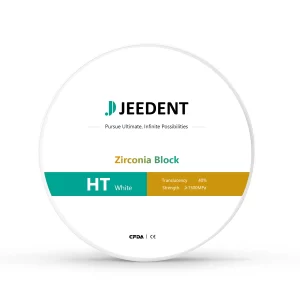
 Bloques de circonita blanca
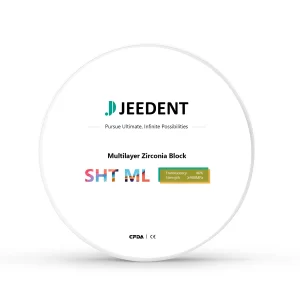 Bloques de óxido de circonio multicapa
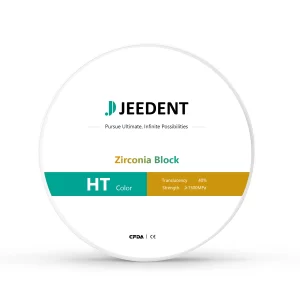 Bloques de circonita de color
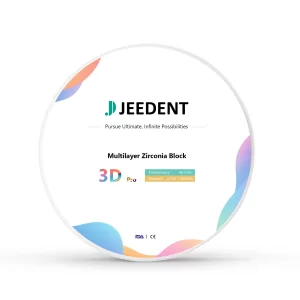 Bloques de circonio 3D
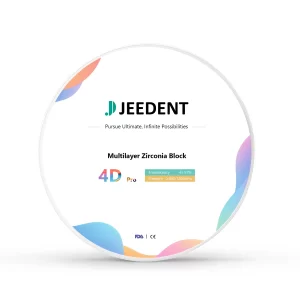 Bloques de circonio 4D
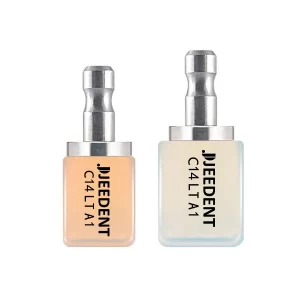 Disilicato de litio ámbar
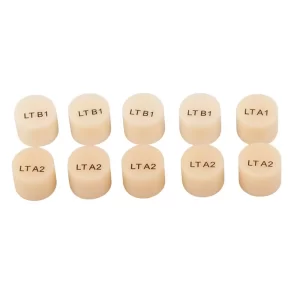 Porcelana prensada
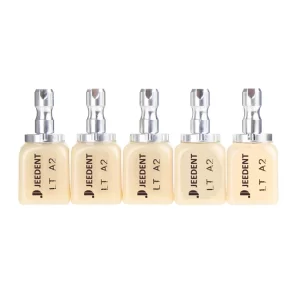 Cerámica no sinterizada
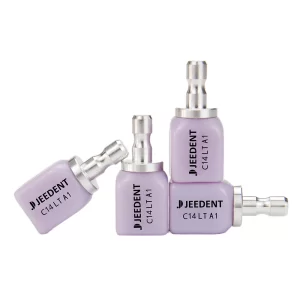 C14 Cerámica de disilicato de litio
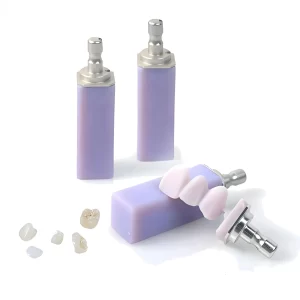 B40 Cerámica de disilicato de litio
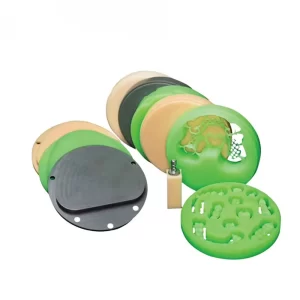 Disco WAX
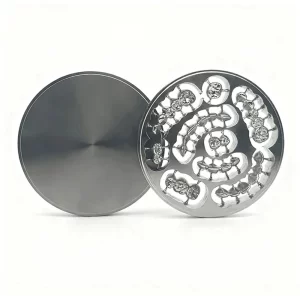 Disco de titanio
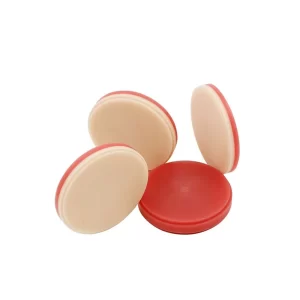 Disco de PMMA de doble capa
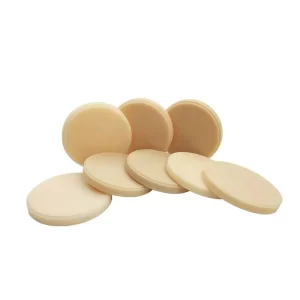 Disco PMMA
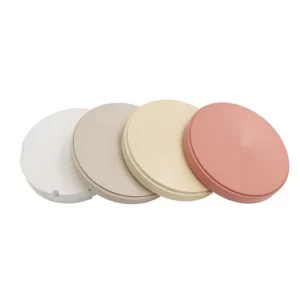 PEEK Dics
 Fresas dentales
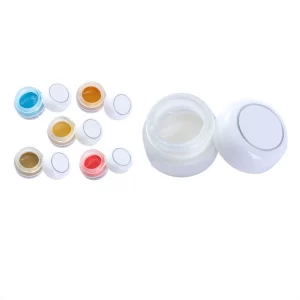 Tinte y glaseado
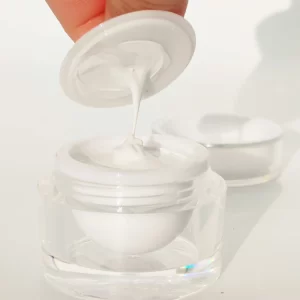 Pasta de escaneado dental
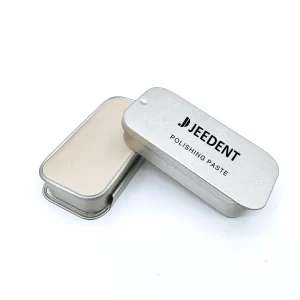 Pasta de pulir dental
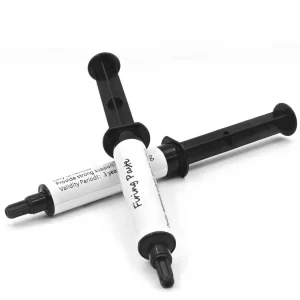 Pasta de sinterización dental
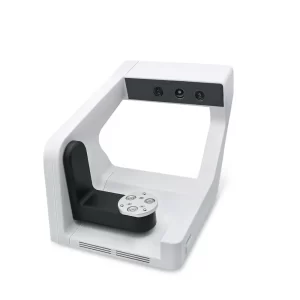 Escáneres dentales 3D de sobremesa
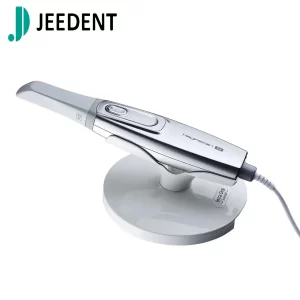 Escáner intraoral
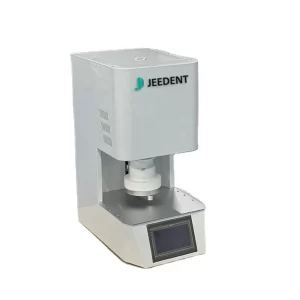 Hornos de sinterización dental
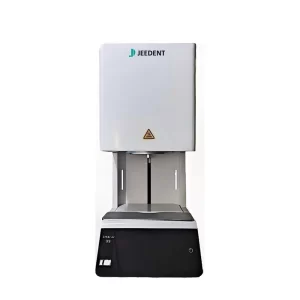 Horno de porcelana dental
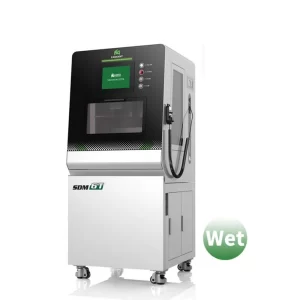 Fresadora dental
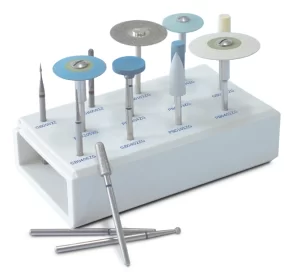 Kit de pulido dental
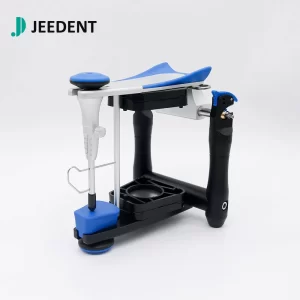 Articulador BN
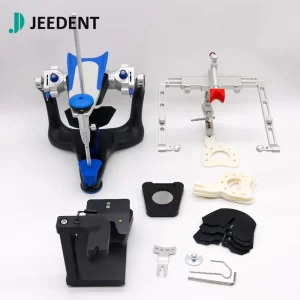 Articuladores totalmente ajustables
Dental wax blocks are indispensable materials in modern dentistry, widely used in clinical restoration, oral prosthetics, and dental aesthetic shaping, among other fields. As a supplier of dental wax blocks, we often receive questions from customers regarding dental wax blocks. Next, I will explain dental wax blocks from several aspects such as its core knowledge, practical applications, selection tips, and industry trends. I will describe it in simple language and hope to be of some help to everyone.
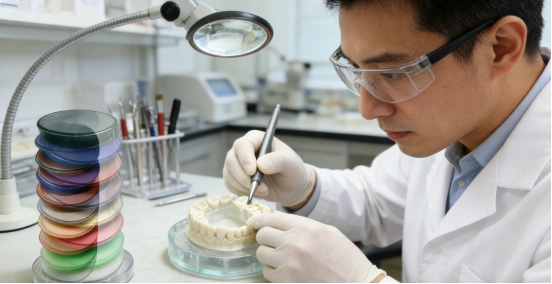
Core Basics of Dental Wax Blocks
To understand the value of dental wax blocks, a few key points are helpful. The following section will clarify what these materials are and outline their main benefits. This foundational knowledge supports their effective use and proper selection in practical applications.
Definition of Dental Wax Blocks
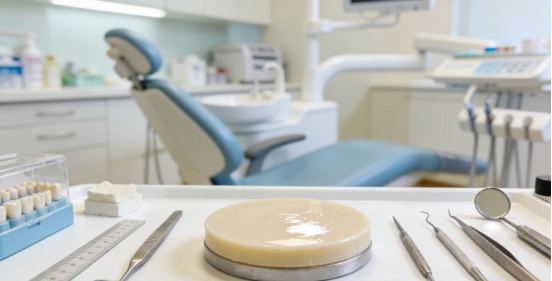
Dental wax blocks are essential, moldable materials for dental clinics and labs, made from a blend of natural waxes like beeswax and paraffin, plus synthetic waxes and small additives. They have key physical traits: softening when heated to a mild temperature, being easy to carve and shape by hand or CAD/CAM machines, and hardening quickly as they cool to keep their exact form. Most types feature low shrinkage and ash content, so they won’t deform easily during dental work. These blocks are mainly used to make precise wax models for dental restorations such as crowns, bridges and dentures, and also for crafting orthodontic appliances. Some special wax blocks are even designed for dental students’ carving practice, with different hardness and melting points for various dental procedures.
Key Traits and Advantages
Dental wax blocks serve an important purpose in dental laboratories. These blocks have useful properties.A main feature is their workability. Technicians can warm the wax slightly. It then becomes soft and easy to shape. They can carve and sculpt it. This process creates detailed models for items like crowns, bridges, and dentures.Another important feature is heat resistance. The wax is used in a process called investment casting. This process involves high heat. The wax keeps its shape during this step. It does not distort. This means the final mold will match the wax model correctly.Dental wax also works well with other common materials. It is compatible with plaster, acrylic resins, and metals. Using wax helps reduce errors in the workflow. It also helps improve how well the final restoration fits.For these reasons, dental wax is a vital material for creating prototypes in dental work.
Practical Usage of Dental Wax Blocks
Now that we have understood what dental wax blocks are and their characteristics and advantages, let’s take a look at their practical applications in dental laboratories or dental clinics.
Main Application Scenarios
Dental wax blocks are widely used in dental clinics and labs. Their main use is to create wax patterns. These patterns are for dental crowns, bridges, and dentures. Technicians use the wax to design each piece. They check the fit and shape carefully. This is done before making the final product from metal or ceramic.The wax also helps in cosmetic dental work. Dentists can shape a new smile design with it. Patients see this wax model first. They can suggest changes before real treatment starts. This process makes sure the final smile looks natural and fits well.
Operation Steps
Dental wax is easy to handle and can be fully mastered with adequate practice. First, you should gently heat the wax until it reaches a soft, workable state, taking care not to overheat it. Next, you may use a wax spatula or carving knife to transfer the softened wax onto the model or working surface. You can then shape the wax manually, and during the shaping process, you will carve and refine the wax as needed. You should regularly check the fit and alignment as you work, and make any necessary adjustments promptly. Once the desired form is established, you may further refine the surface to enhance its smoothness. The ultimate objective is to achieve a uniformly smooth and well-finished surface, and this entire process demands patience and careful, precise manual operation.
Shaping Tips and Error Fixing
Mastering small shaping and error-fixing tips can improve the precision of wax models. When carving details, use a wax knife to cut obliquely to control depth and range; when trimming surfaces, use a spatula to smooth along the wax texture. For cracks, fill them with softened wax; for stickiness, lower the ambient temperature; for inaccurate shaping, use a template for correction.
Selection and Purchase Tips
Choosing the correct dental wax block is important. The wax should suit its purpose. Use carving wax for detailed aesthetic work. This type has good malleability. Use casting wax for crowns and bridges. This type resists high temperatures well. Use baseplate wax for denture bases. It has moderate hardness. When buying wax, select products with a uniform texture. Stable performance is also key.
Proper Storage Methods
Proper storage extends the service life of dental wax blocks. Store them in a sealed container. Maintain a constant temperature and humidity. Avoid placing the container in direct sunlight or near heat sources. Heat can cause softening or melting. Also avoid very low temperatures. Cold conditions may make the wax brittle. Seal opened wax blocks promptly after use. This prevents damage from dust and moisture.
Conclusion
Dental wax blocks are irreplaceable in the dental field due to their low operational threshold, high precision and good biocompatibility. The future development trends include developing new formulas with better performance and better adaptability to digital dentistry, combining three-dimensional scanning and digital modeling with flexible shaping. Their application in the field of dental aesthetics will also be more extensive and in-depth. Using dental wax blocks is a skill that requires time and practice to master, but as long as you have the appropriate tools and techniques, you can achieve the desired results.