 White Zirconia Blocks
 Multilayer Zirconia Blocks
 Color Zirconia Blocks
 3D Zirconia Blocks
 4D Zirconia Blocks
 Amber Lithium Disilicate
 Press Porcelain
 Non-sinterd Ceramics
 C14 Lithium Disilicate Ceramics
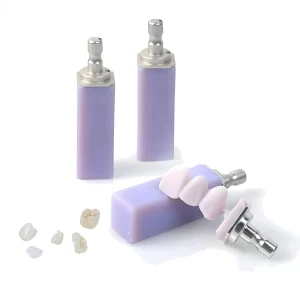 B40 Lithium Disilicate Ceramics
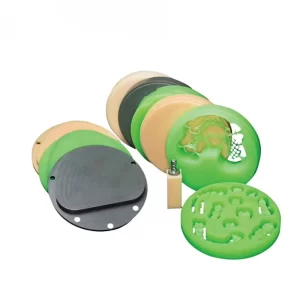 WAX Disc
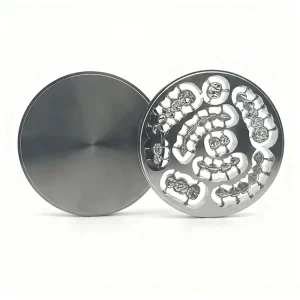 Titanium Disc
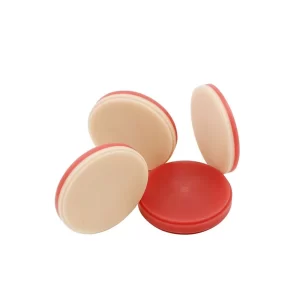 Double Layer PMMA Disc
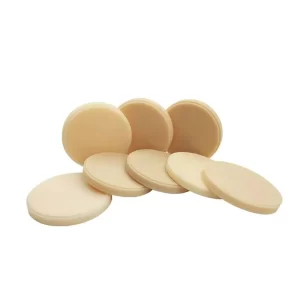 PMMA Disc
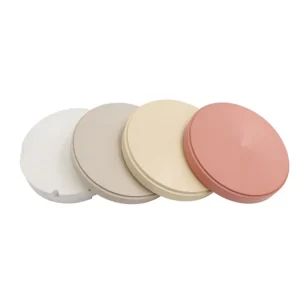 PEEK Disc
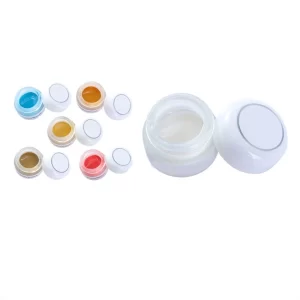 Stain & Glaze
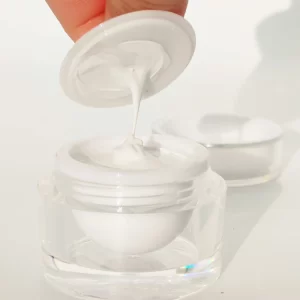 Dental Scanning Paste
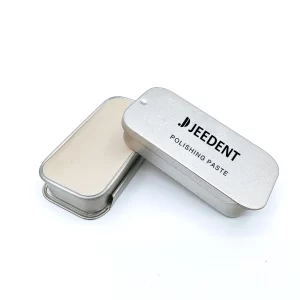 Dental Polishing Paste
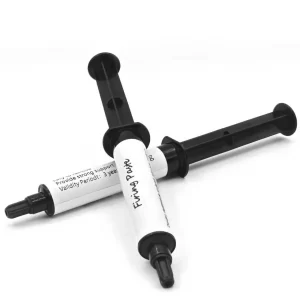 Dental Sintering Paste
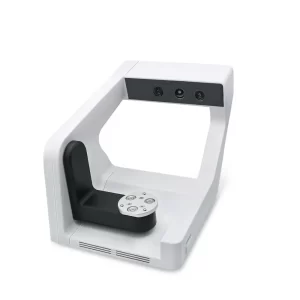 Desktop dental 3D scanners
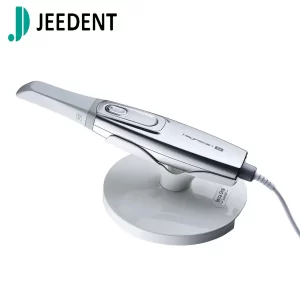 Intraoral scanner
 Dental Sintering Furnaces
 Dental Porcelain Furnace
 Dental Milling Machine
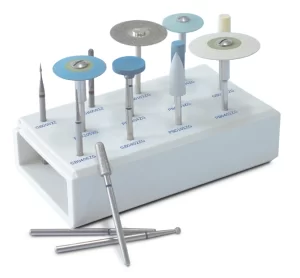 Dental polish kit
 BN Articulator
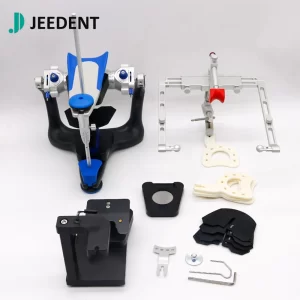 Full Adjustable Articulators
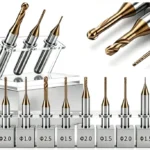
Dental milling burs are essential tools in a lab or clinic. These burs shape zirconia, resin, glass ceramic, and metal into precise crowns, bridges, and veneers. They fit all main machines, such as UP3D, Roland, and Sirona. These tools wear out quickly. Constant replacement leads to high costs. Poor maintenance wastes money. It can also ruin restorations, slow down workflow, and damage the milling machine. The following maintenance tips are simple. They require no special tools or complex terms. These methods help burs last longer and perform better.

The Importance of Maintaining Dental Milling Burs
Before discussing the methods, it is important to understand why maintenance matters. When orders pile up, it is easy to skip cleaning or checking burs. This small shortcut, however, leads to greater costs in the long run. Good maintenance is not extra work. It is a way to save time, money, and trouble. Maintenance offers several benefits. First, it extends the life of burs by 30 to 50 percent. This means fewer replacements and lower supply costs. Second, well-maintained burs cut more cleanly and evenly. Restorations look better and fit correctly on the first try. Reworks are not needed. Third, proper care reduces strain on the milling machine spindle. This helps equipment run longer. Finally, it avoids costly downtime caused by broken burs or ruined work. This keeps the lab operating smoothly.
Core Maintenance Tips for Dental Milling Burs
The best thing about milling burs maintenance is that it’s simple—it just requires consistency. You don’t need specialized training or expensive products; you just need to develop a few simple habits. I’ll explain in detail some important habits for milling burs maintenance below.
Post-Use Cleaning: The Foundation of Maintenance
After each milling job, small particles stay on the bur. These particles come from zirconia, resin, or glass ceramic. If the particles remain, they harden over time. Hardened particles make the bur dull. A dull bur is less effective. Cleaning the bur right after use extends its life. This method is also low in cost. The cleaning takes about 30 seconds and makes a clear difference. Remove the bur from the machine after milling. Use a soft brush to wipe off the dust. Clean with warm water and a mild cleaner. Do not use harsh chemicals. Harsh chemicals can damage the diamond or carbide layer on the bur. If residue stays, place the bur in an ultrasonic cleaner. Use a dental-specific solution for this step. Dry the bur completely before storing it. Do not use rough brushes or scrapers. These tools can damage the bur and shorten its life.
Proper Storage: Avoid Unnecessary Damage
Most bur damage does not happen during use. It happens when the burs are stored. If burs are placed loose in a drawer or container, they bump into each other. This causes small chips or dull spots. These small issues add up over time. A small amount of care during storage helps keep burs in good condition. Use a dedicated bur holder or box. The holder should have separate slots for each bur. This prevents the burs from touching each other. Sort the burs by type. Keep diamond burs separate from carbide burs. Label the burs by the material they are used for, such as zirconia, resin, or metal. This helps avoid mixing them up. Store the burs in a dry, dust-free place. Moisture can cause rust. Dust can cause buildup. Do not let the tip of the bur touch hard surfaces. Even a small bump can cause a chip.
Rational Use: Reduce Unnecessary Wear
Even the best burs cannot handle overuse or the wrong job. Using one bur for all materials leads to quick wear. For example, using a resin bur on zirconia will wear it down fast. A few simple habits can help avoid this unnecessary wear. Follow this basic rule. Diamond burs are for hard materials. These materials include zirconia, glass ceramic, and metal. Carbide burs are for soft materials, such as resin. Do not mix these types. Using a carbide bur on metal will dull it right away. Rotate the burs as well. Do not use the same bur for every job. Spreading the use across multiple burs allows each one to wear evenly. This helps all burs last longer. Always follow the speed limits for the bur and the machine. Running the bur too fast or too slow causes extra wear and leads to poor cuts.
Pre-Use Inspection: Catch Problems Early
Before placing the bur in the machine, a quick check takes about 10 seconds. This small step can prevent problems later. A damaged bur can ruin a restoration in minutes. It can also damage the machine spindle. This quick check is worth the time. Look at the bur before installation. Check for a chipped tip, wear, discoloration, or bending. Any of these signs mean the bur needs cleaning or replacement. If the bur has dust on it, wipe it off first. During milling, pay attention to the machine. If the machine makes more noise than usual, vibrates heavily, or cuts slower, stop and check the bur. In these cases, the bur is likely worn or damaged. For minor wear, cleaning and sharpening can help. For major chips, replace the bur immediately.
Coolant & Lubrication: Protect Against Heat Damage
Heat is the main cause of damage to dental burs. When hard materials like zirconia or metal are milled without proper cooling, high heat builds up. This heat weakens the diamond or carbide layer on the bur. The bur then becomes dull or stops working. Proper cooling and lubrication prevent this issue. These steps help burs stay sharp for a longer time. Check the machine coolant system on a regular basis. Make sure there is enough coolant. Also make sure the coolant is clean. Dirty coolant can clog the nozzles. Before milling hard materials, check that the coolant nozzles are working. Confirm that the nozzles are pointed at the bur. Do not dry-mill zirconia or metal. Always use coolant during these jobs. Lubricate the machine and burs according to the manufacturer instructions. Less friction leads to less wear.
Common Mistakes to Avoid
Even with the best intentions, it’s easy to fall into bad habits that damage your burs. Let’s go over the most common mistakes I see in labs—avoid these, and you’ll already be ahead of the game. First, don’t skip cleaning after use—letting dust build up is the number one way to dull burs fast. Second, don’t store burs loose—they’ll bump into each other and get damaged. Third, don’t mix burs for different materials—using a resin bur on zirconia will ruin both the bur and the restoration. Fourth, don’t ignore the coolant—dry-milling hard materials is a surefire way to overheat and damage burs. And finally, don’t use incompatible burs—always check the fit before using them.