
 Blocos de zircónio branco
 Blocos de zircónio multicamada
 Blocos de zircónio colorido
 Blocos de zircónio 3D
 Blocos de zircónio 4D
 Dissilicato de lítio âmbar
 Porcelana de imprensa
 Cerâmica não sinterizada
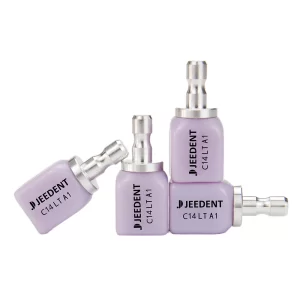 C14 Cerâmica de dissilicato de lítio
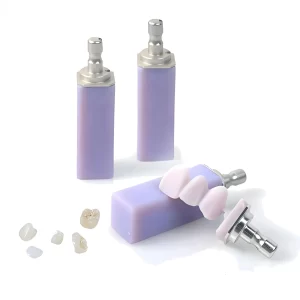 B40 Cerâmica de dissilicato de lítio
 Disco WAX
 Disco de titânio
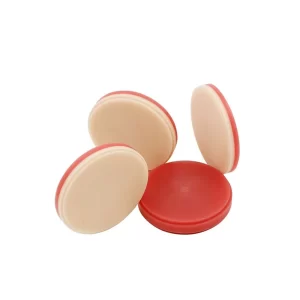 Disco PMMA de camada dupla
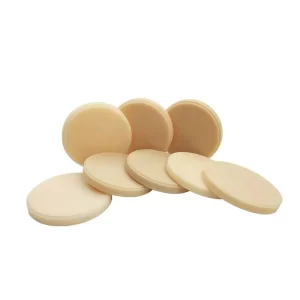 Disco PMMA
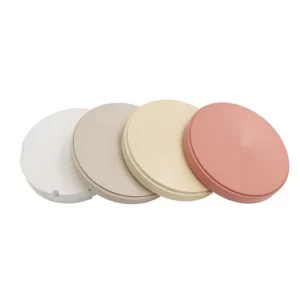 PEEK Dics
 Brocas para fresagem dentária
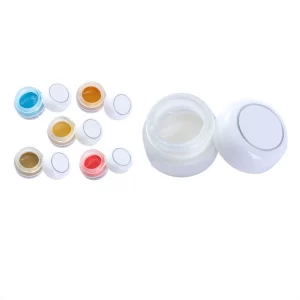 Manchas e esmaltes
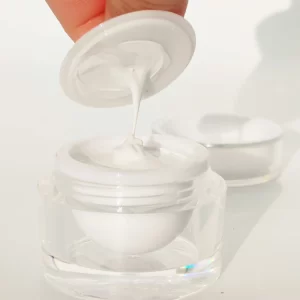 Pasta de digitalização dentária
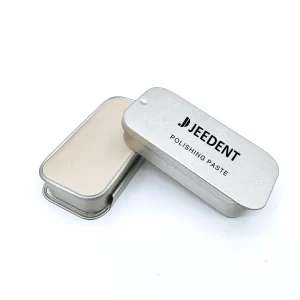 Pasta de polimento dentário
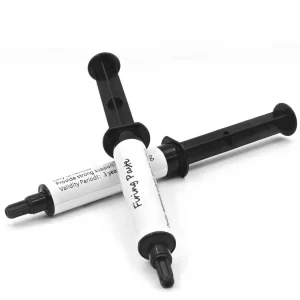 Pasta de sinterização dentária
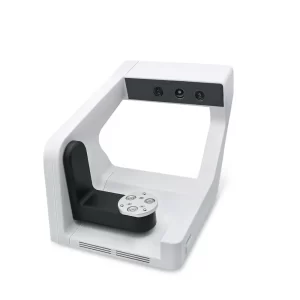 Scanners 3D dentários de secretária
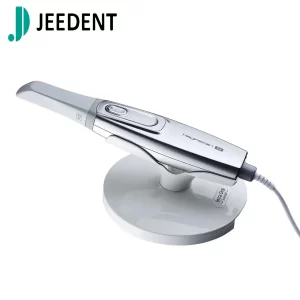 Scanner intra-oral
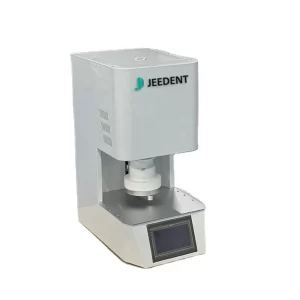 Fornos de sinterização dentária
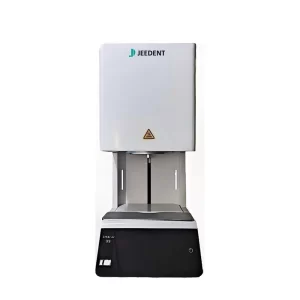 Forno de porcelana dentária
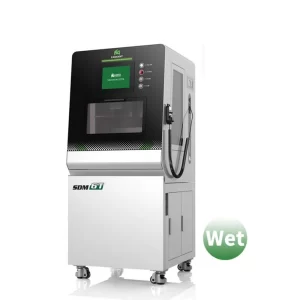 Fresadora dentária
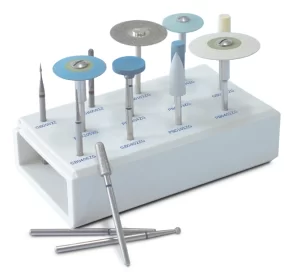 Kit de polimento dentário
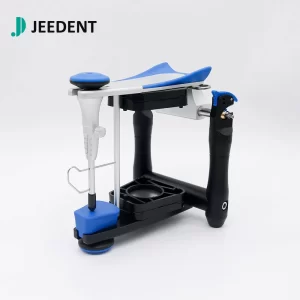 Articulador BN
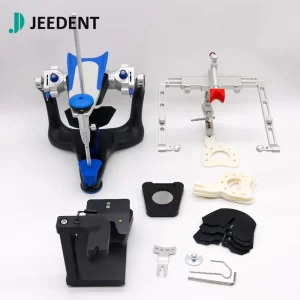 Articuladores totalmente ajustáveis
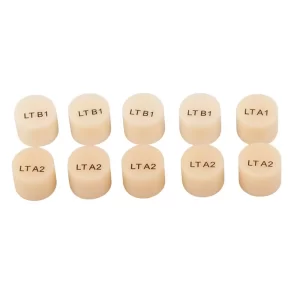
Why do dental professionals go for pressed porcelain? It has become the top pick material for balancing beauty and functionality in aesthetic dentistry. It boasts a unique microcrystalline structure and excellent physical properties. These features offer a reliable, long-lasting solution for all sorts of dental restorations. Dental professionals care a lot about clinical results. Patients want dental repairs that look natural. For both groups, understanding the advantages and applicable scenarios of pressed porcelain is key to making well-informed decisions.
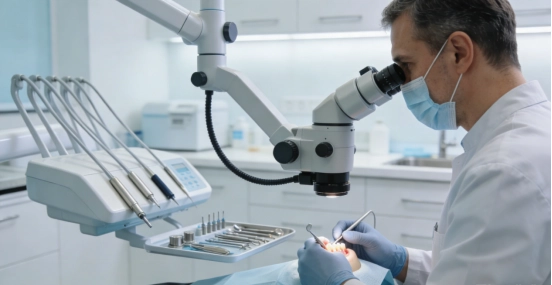
The Key Advantages of Press Porcelain
Pressed porcelain stands out in dental restorations. It has superior material properties. These properties ensure long-term durability. They also meet high aesthetic requirements. Below are its five core advantages:
Dense Microcrystalline Structure
The high-density microcrystalline structure of pressed porcelain gives it a flexural strength of about 525 MPa, which is close to that of natural tooth enamel (500-550 MPa). Its dense microcrystal arrangement enables it to bear greater occlusal pressure, making it suitable for high-load restoration areas like molars, and ensuring a service life of 10-15 years with proper oral maintenance.
Excellent Crack Resistance
Tight chemical bonding between pressed porcelain microcrystals effectively inhibits crack initiation and propagation. Unlike traditional ceramics, it can disperse external impact forces, reduce stress concentration at crack tips, and significantly lower fracture risk in complex oral environments.
High-Precision Adaptation
Advanced CAD/CNC digital pressing molding technology ensures the restoration’s marginal adaptation is better than 60 microns, which far surpasses the national standard of ≤100 microns. This high-precision fit effectively reduces microleakage between the restoration and tooth substrate, preventing bacterial infiltration and protecting underlying tooth tissue from secondary caries and periodontal issues.
Excellent Color Stability
Press porcelain demonstrates long-term color stability, clinically proven to resist discoloration from common staining agents like coffee, tea, and tobacco. Its optical properties—achieved through a multi-layered light interaction—faithfully replicate the natural translucency and reflectance of dental enamel, ensuring restorations remain both vibrant and indistinguishable over time.
Customizable Layering
Multi-layer porcelain stacking and professional staining technology empower precise customization of restorations. This advanced approach meticulously simulates the nuanced transparency of natural enamel and the depth of color saturation within the dentin layer. By replicating these optical characteristics, it achieves a seamless, lifelike match with the patient’s natural dentition. This effectively transcends the limitations of monolithic or uniformly opaque traditional ceramics, which often result in an artificial and optically “flat” appearance, thereby eliminating the dreaded “false and rigid” look and feel.
Clinical Applications of Press Porcelain
Based on these five core performance advantages, press porcelain demonstrates extremely strong adaptability in dental clinical restoration. It can provide personalized solutions for different types of tooth defects, aesthetic requirements, and occlusal conditions. The following are the four core application scenarios:
Veneers
Press Porcelain is suitable for aesthetic restorations of discolored, slightly deformed, or misaligned anterior teeth. It uses precise layering and color matching technology. It simulates the translucency of natural teeth. It achieves visually seamless integration with adjacent teeth. This minimally invasive treatment needs only minimal tooth preparation. It preserves as much healthy tooth structure as possible.
Inlays/Onlays
Pressed porcelain inlays offer a minimally invasive solution for moderate posterior tooth defects. This restoration method suits cases needing preservation of healthy cusps. Its high flexural strength ensures reliable chewing function. Pressed porcelain performs better than traditional resin in wear resistance. Compared to traditional resins, pressed porcelain has superior wear resistance and color stability, and can maintain the integrity and functionality of the restoration during long-term use.
Crowns
Pressed porcelain crowns are suitable for various types of tooth defects in both anterior and posterior regions. For teeth with extensive caries or after root canal treatment, this technique demonstrates exceptional adaptability. The high-strength lithium disilicate material enables restorations to combine aesthetics with function, achieving natural translucency in anterior areas and withstanding normal chewing forces in posterior regions, meeting professional requirements across different zones.
Anterior Bridges
It is suitable for fixed bridge restoration of 1-2 missing anterior teeth, meeting both patients’ high requirements for smile aesthetics and ensuring long-term durability. The high transparency and natural luster of pressed porcelain can simulate the visual effect of natural teeth, solving the “gray line” problem of traditional metal-ceramic bridges. At the same time, its stable mechanical properties can support daily occlusion, with a service life of more than 10 years.
Clinical Tips
Reasonable case selection and standardized clinical operation ensure the long-term effect and service life of pressed porcelain restorations. Clinically, it suits patients with high aesthetic needs, sufficient occlusal space and good oral hygiene. Avoid it for patients with severe bruxism or insufficient vertical dimension to prevent restoration damage. Strictly control the restoration’s minimum thickness—crown thickness should not be less than 1.5mm. Use a professional resin bonding system for firm bonding and detailed occlusal adjustment after restoration to ensure even occlusal force distribution and avoid local stress concentration.