
 Blocos de zircónio branco
 Blocos de zircónio multicamada
 Blocos de zircónio colorido
 Blocos de zircónio 3D
 Blocos de zircónio 4D
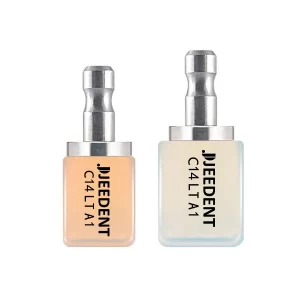 Dissilicato de lítio âmbar
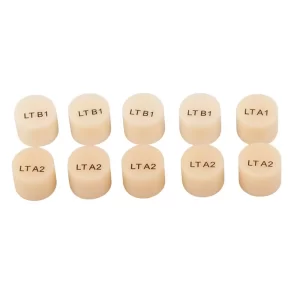 Porcelana de imprensa
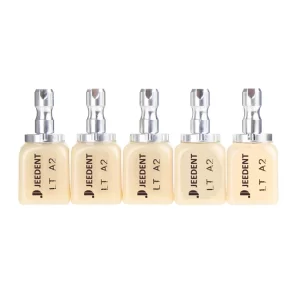 Cerâmica não sinterizada
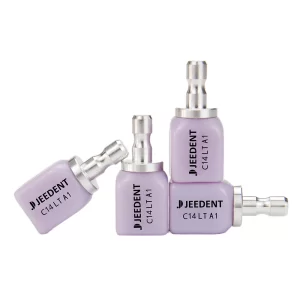 C14 Cerâmica de dissilicato de lítio
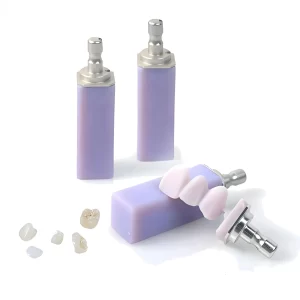 B40 Cerâmica de dissilicato de lítio
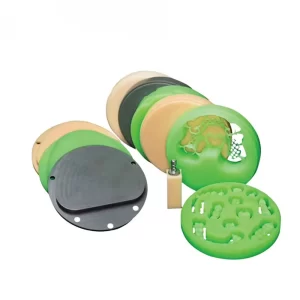 Disco WAX
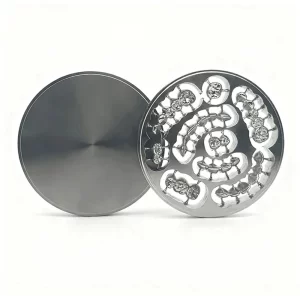 Disco de titânio
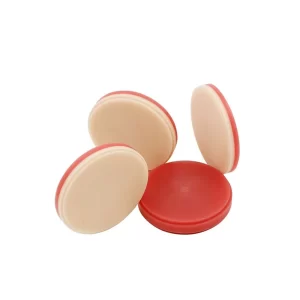 Disco PMMA de camada dupla
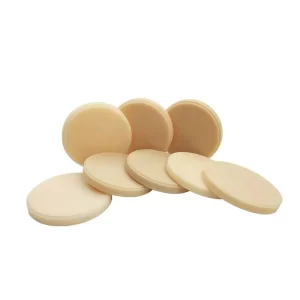 Disco PMMA
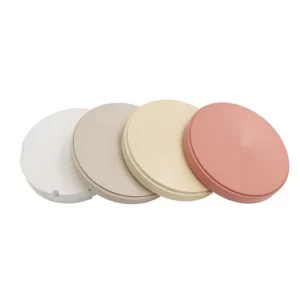 PEEK Dics
 Brocas para fresagem dentária
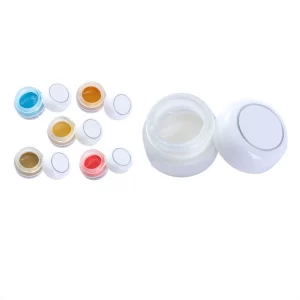 Manchas e esmaltes
 Pasta de digitalização dentária
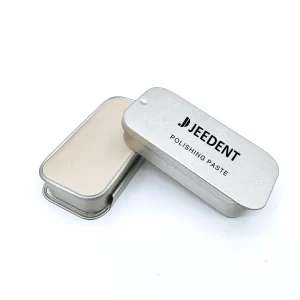 Pasta de polimento dentário
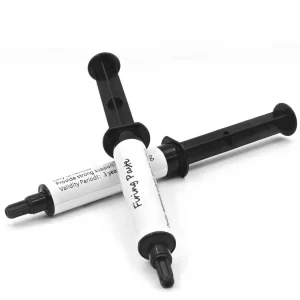 Pasta de sinterização dentária
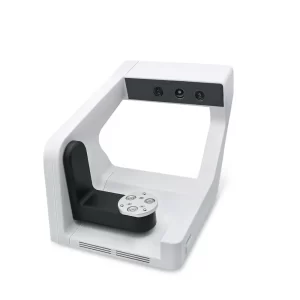 Scanners 3D dentários de secretária
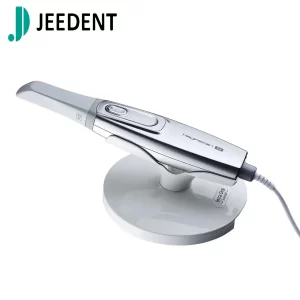 Scanner intra-oral
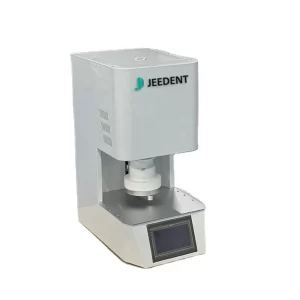 Fornos de sinterização dentária
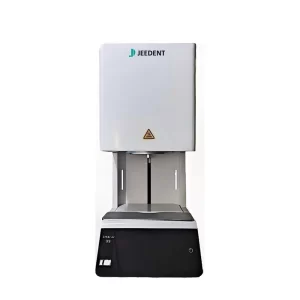 Forno de porcelana dentária
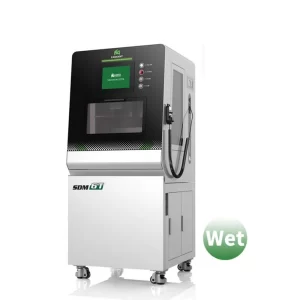 Fresadora dentária
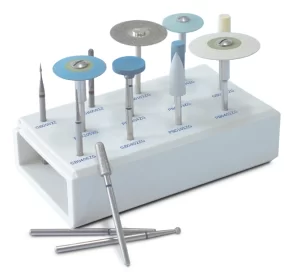 Kit de polimento dentário
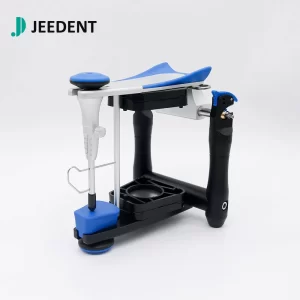 Articulador BN
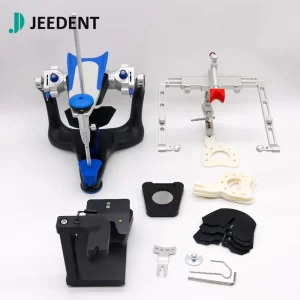 Articuladores totalmente ajustáveis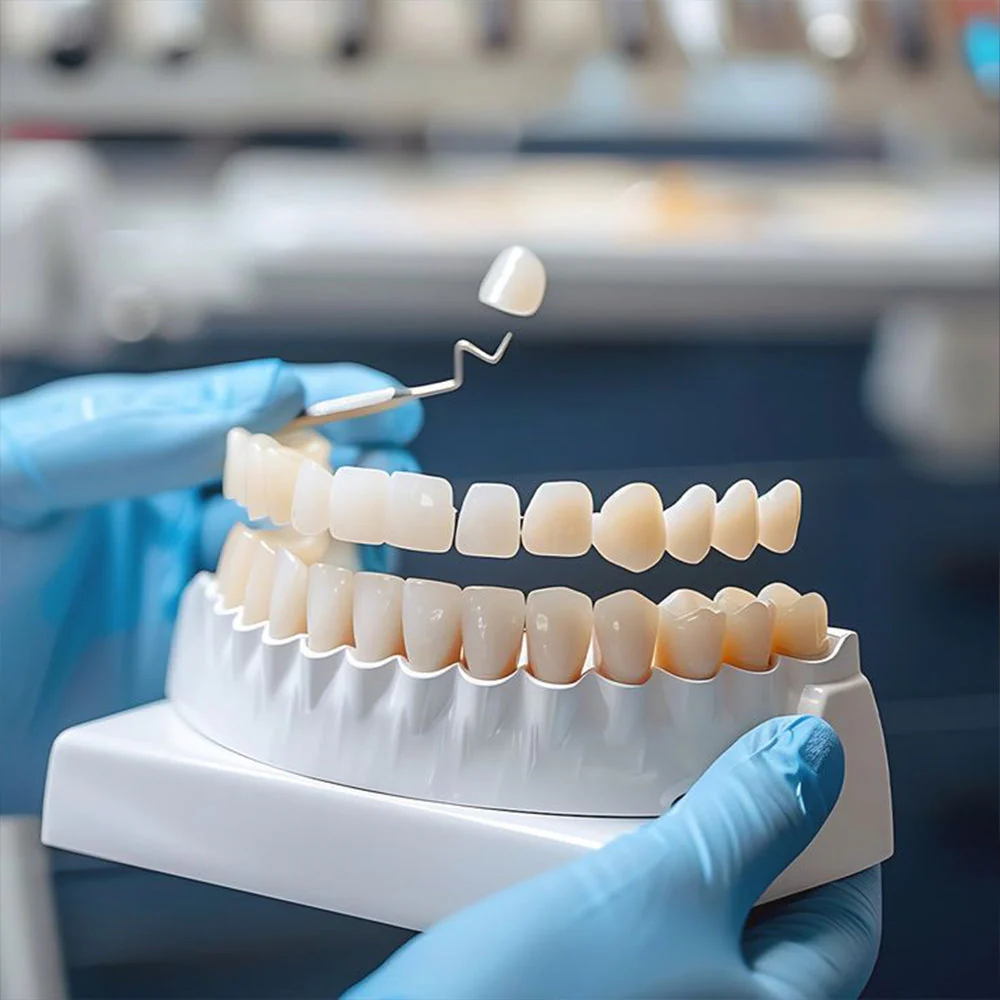
Porcelain veneers are a popular choice for enhancing the appearance of the upper anterior teeth. However, did you know that the design of the cut end can have a significant impact on the loading capacity of these veneers? Let’s explore the differences in loading capacity based on different cut end designs.
What are Porcelain Veneers?
Porcelain veneers are thin shells of ceramic material that are bonded to the front surface of teeth to improve their appearance. They are commonly used to correct issues such as discoloration, chips, cracks, and gaps in the teeth.
Understanding Loading Capacity
Loading capacity refers to the amount of force or pressure that a material can withstand before it fails. In the case of porcelain veneers, loading capacity is an important factor to consider, as the teeth are constantly subjected to forces such as biting and chewing.
The Role of Cut End Designs
When it comes to porcelain veneers, the design of the cut end can impact their loading capacity. Different cut end designs, such as feathered, chamfered, or shoulder, can affect how the veneer distributes and absorbs forces.
Feathered Cut End Design
A feathered cut end design features a rounded edge that blends seamlessly with the natural tooth. While this design provides a more aesthetic result, it may have a lower loading capacity compared to other designs due to the lack of a defined margin.
Chamfered Cut End Design
A chamfered cut end design features a beveled edge that allows for a stronger bond between the veneer and the tooth. This design can improve the loading capacity of the veneer by providing a more stable and secure attachment.
Shoulder Cut End Design
A shoulder cut end design features a distinct shoulder at the margin of the veneer, providing a clear endpoint for the material. This design offers the highest loading capacity of the three options, as it creates a strong and durable bond with the tooth.
Conclusion
In conclusion, the cut end design of porcelain veneers plays a crucial role in determining their loading capacity. While feathered designs may offer a more natural appearance, chamfered and shoulder designs are better suited for maximizing the strength and durability of the veneers. When considering porcelain veneers for the upper anterior teeth, it is important to discuss the cut end design options with your dentist to ensure the best possible outcome.