 White Zirconia Blocks
 Multilayer Zirconia Blocks
 Color Zirconia Blocks
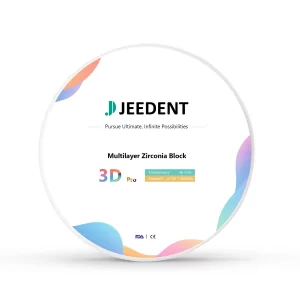 3D Zirconia Blocks
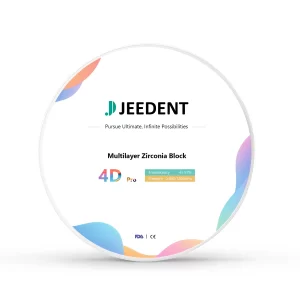 4D Zirconia Blocks
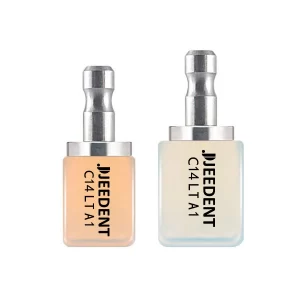 Amber Lithium Disilicate
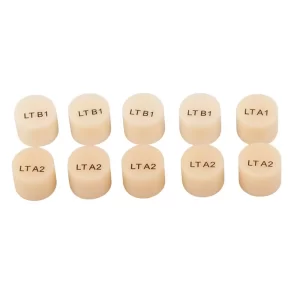 Press Porcelain
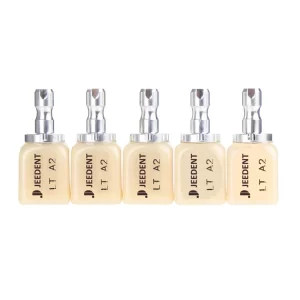 Non-sinterd Ceramics
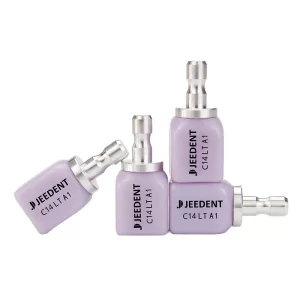 C14 Lithium Disilicate Ceramics
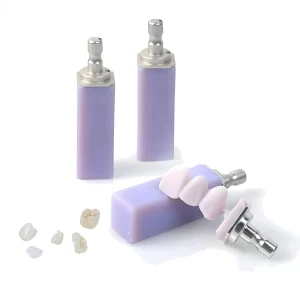 B40 Lithium Disilicate Ceramics
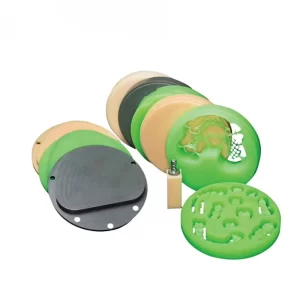 WAX Disc
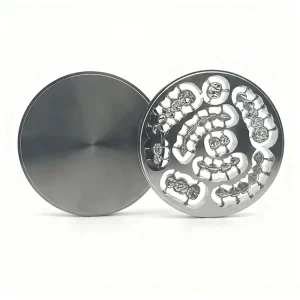 Titanium Disc
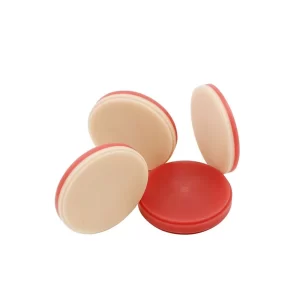 Double Layer PMMA Disc
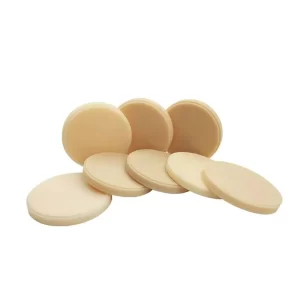 PMMA Disc
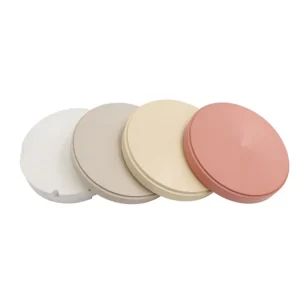 PEEK Disc
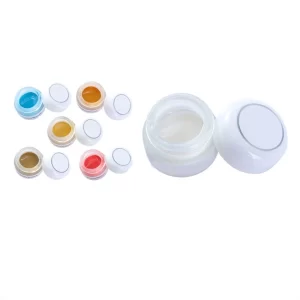 Stain & Glaze
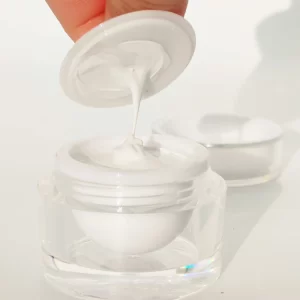 Dental Scanning Paste
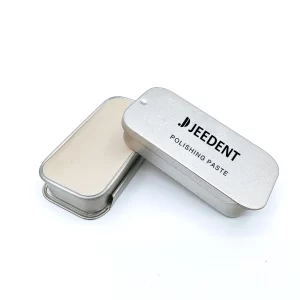 Dental Polishing Paste
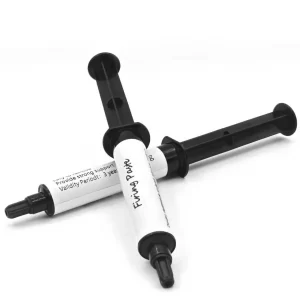 Dental Sintering Paste
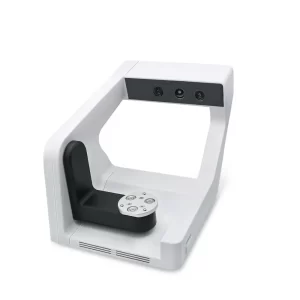 Desktop dental 3D scanners
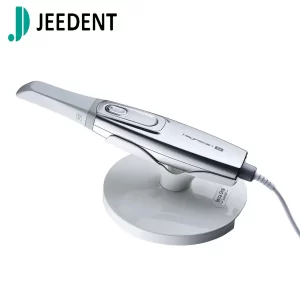 Intraoral scanner
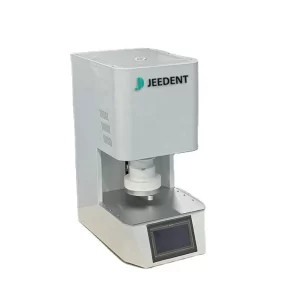 Dental Sintering Furnaces
 Dental Porcelain Furnace
 Dental Milling Machine
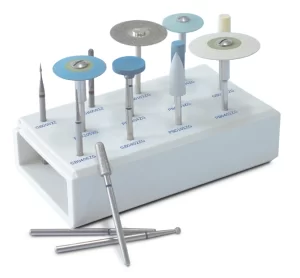 Dental polish kit
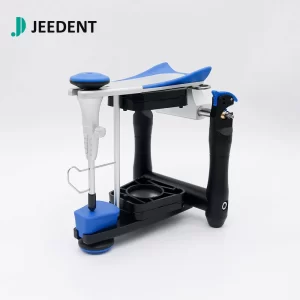 BN Articulator
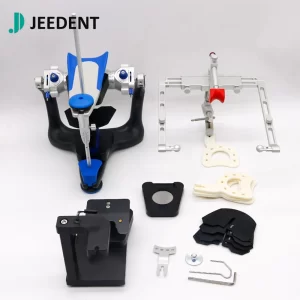 Full Adjustable Articulators
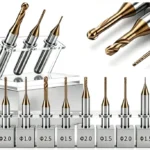
Dental milling burs play a key role in dental labs and clinics. They help shape crowns, bridges, and veneers. These tools cut and finish materials with precision. The right bur leads to smooth, accurate results. The wrong choice can damage restorations. It also wastes time and materials.Many burs are available today. Different machines also have different requirements. This can make selection difficult. But the process is not as complex as it seems.The main rule is simple. Match the bur to your machine and material. Zirconia needs one type of bur. Resin and glass ceramics need another. Metal requires a different tool entirely.This guide explains the basics in plain terms. It avoids confusing language. The goal is to help you choose with confidence every time.
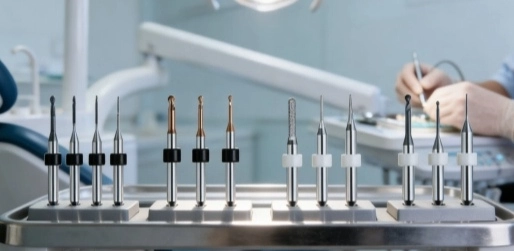
Key Pre-Requisite: Not All Burs Fit All Machines
Dental milling burs are not one-size-fits-all tools. They do not work with every machine. Using an incompatible bur leads to real problems. It can scratch internal machine parts. It may damage the restoration during milling. This wastes time and materials. The bur itself may also wear out faster. Matching the bur to your machine prevents these issues.To help you avoid these headaches, we offer dental milling burs compatible with all major machine models, including UP3D, Roland, Arum, XTCERA, Zirkonzahn, Ideal, Aidite, UPCERA, AMANN GIRRBACH, JINY, VHF-N4, BSM, Dentium, IMES ICORE, Cradle, Wieland Mini/VHF-K4, Elosdent, Yenadent, Sirona, YRC-5X, and PM7—so no matter what machine your lab or clinic uses, you’re covered.
Core Factor: Match Burs to Your Milling Material
Machine compatibility is the first step. But material choice matters most. Every dental material has unique traits. Hardness, density, and texture all differ. These traits affect how a bur performs.Using the wrong bur causes problems. Restorations may chip or crack. Surfaces may end up uneven. The bur itself may wear out fast. Patients deserve better results.The solution is simple. Match the bur to your material. Each material needs a specific bur type. This ensures clean cuts and smooth finishes.Let us look at common dental materials. We will cover the best bur for each one. This helps you choose with confidence every time.
Burs Suitable for Zirconia Milling
Zirconia is a top choice in modern dentistry for good reason. It is strong and durable. It also looks natural and blends well with a patient’s own teeth. Many dentists use it for crowns and bridges. Some veneers also use zirconia. It works best for patients who need long-lasting restorations. These restorations handle daily wear without problems. Zirconia is a hard material. It needs the right bur for clean cutting. The wrong tool can chip or break the surface. Diamond burs work well with zirconia. Carbide burs are also a good match. Both stay sharp and cut with precision.Our zirconia burs fit many machines. They cut smoothly and accurately. This helps create high-quality restorations every time.
Burs for Glass Ceramic (Lithium Disilicate) Milling
Glass ceramic is also called lithium disilicate. It is valued for its translucency. This property closely matches natural tooth enamel. It works well for front teeth crowns. Veneers also benefit from this material. Aesthetics matter most in these cases. Glass ceramic is softer than zirconia. But it still needs a sharp bur. A dull tool causes rough edges. Chipping can also occur. This ruins the final appearance. Diamond burs are the best choice here. They cut smoothly through the material. They leave a polished surface behind. This means less finishing work later. The result is a clean, natural-looking restoration.
Ideal Burs for Resin Milling
Resin is a softer dental material. It is often used for temporary restorations. Some patients choose resin crowns for budget reasons. Permanent cases do not usually use resin. Resin does not need ultra-hard burs. Hard materials like zirconia need those. Tungsten carbide burs work well for resin. They cut cleanly without tearing the material. They also leave smooth edges. This reduces extra polishing work later. Our tungsten carbide burs fit many standard tools. They help labs mill resin quickly. The process is efficient and easy. Restorations come out clean and ready to use.
Burs for Metal Milling Needs
Metal restorations are made from cobalt-chromium or titanium. These materials offer exceptional strength. They work well for patients with bruxism. They also suit those needing extra-durable restorations. Metal is extremely hard. Only diamond burs handle it effectively. These burs cut through metal smoothly. They stay sharp after many uses. They also protect the metal surface from damage. The result is clean, precise cuts every time.
Machine Compatibility: Focus on Shank Size & Connections
When choosing a milling cutter, the two most important details are the shank size and the connection method. Most milling machines use standard shank sizes, but some models (such as Sirona and Zirkonzahn) use specific connection methods to ensure a secure connection between the shank and the milling machine. Taking the time to confirm these details before purchasing a shank can save you time and prevent future problems, as incompatible shank sizes or connection methods can lead to loose shanks, uneven milling, or even damage to the milling machine. Our shanks are designed to match the shank sizes and connection methods of all major milling machine models, including UP3D, Roland, Arum, Dentium, Cradle, Elosdent, YRC-5X, and PM7, so you don’t need to worry about compatibility issues.
Critical Tip: Never Compromise on Burs Quality
When choosing a milling cutter, quality is of paramount importance. Cheap burs may save money at first. But they cost more over time. They wear out fast and need frequent replacement. They can also strain your machine. This may lead to damage or repairs. High-quality burs are a better choice. Diamond and carbide tips stay sharp longer. They cut cleanly with less effort. This protects your machine and your work. Our burs are built for daily use. They deliver consistent results case after case. Your lab runs smoothly. Patients receive well-made restorations. Investing in quality pays off in the long run.
4 Simple Steps to Choose the Right Milling Bur
Here is a quick recap to simplify bur selection. Follow these four steps.
Step 1: Identify the material. Know what you are milling. Zirconia, glass ceramic, resin, and metal all need different tools.
Step 2: Match the bur type. Diamond burs work for hard materials like zirconia and metal. Carbide burs suit softer materials like resin.
Step 3: Check machine compatibility. Make sure the bur fits your machine. We cover all major brands.
Step 4: Choose quality. High-quality burs last longer. They protect your machine. They deliver consistent results.
These steps remove guesswork. They help you get professional results every time.