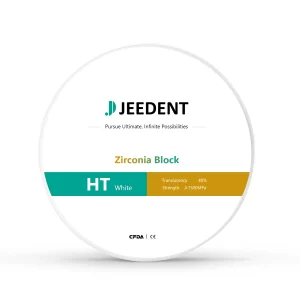
 White Zirconia Blocks
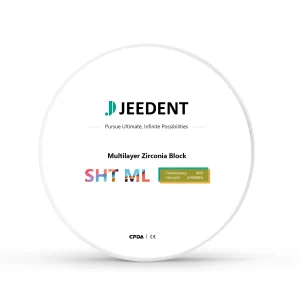 Multilayer Zirconia Blocks
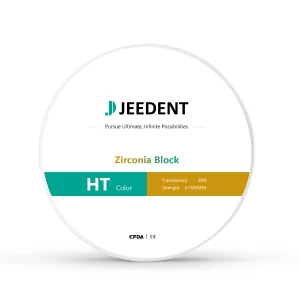 Color Zirconia Blocks
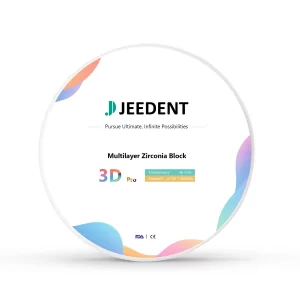 3D Zirconia Blocks
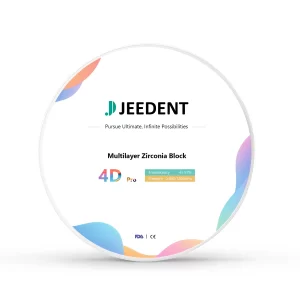 4D Zirconia Blocks
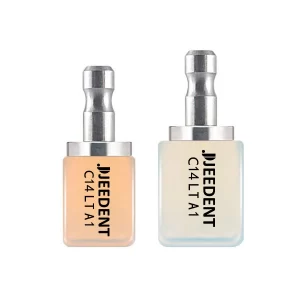 Amber Lithium Disilicate
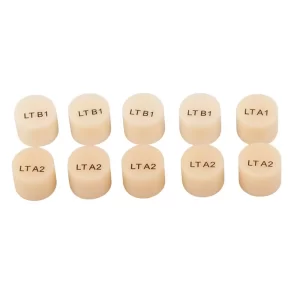 Press Porcelain
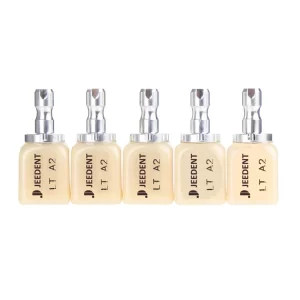 Non-sinterd Ceramics
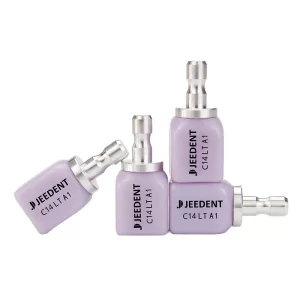 C14 Lithium Disilicate Ceramics
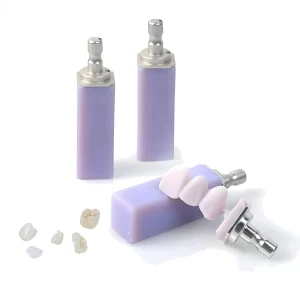 B40 Lithium Disilicate Ceramics
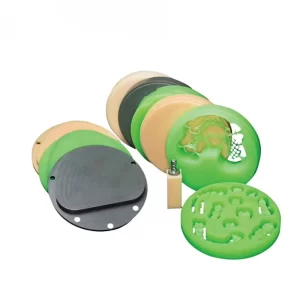 WAX Disc
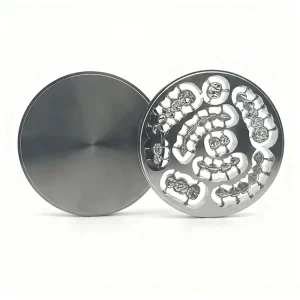 Titanium Disc
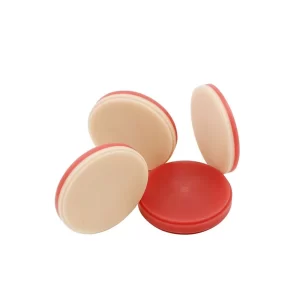 Double Layer PMMA Disc
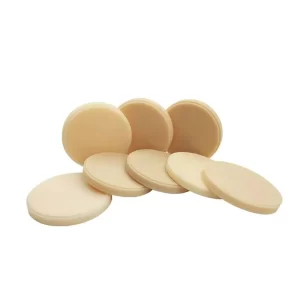 PMMA Disc
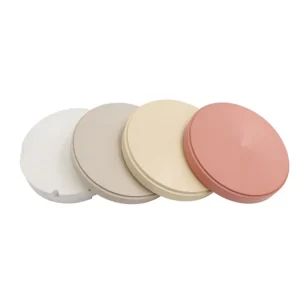 PEEK Disc
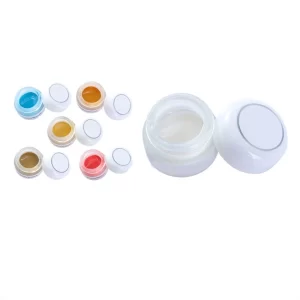 Stain & Glaze
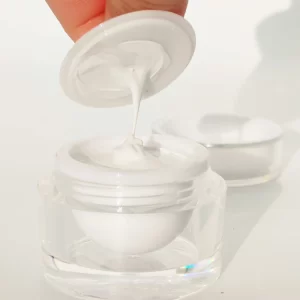 Dental Scanning Paste
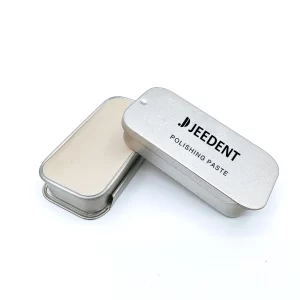 Dental Polishing Paste
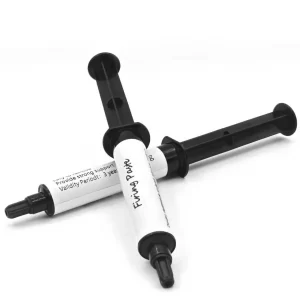 Dental Sintering Paste
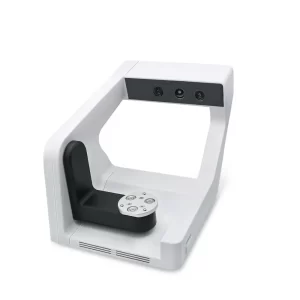 Desktop dental 3D scanners
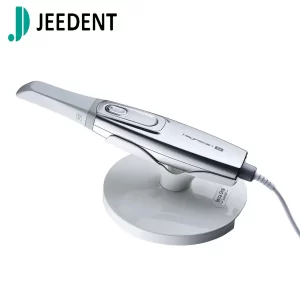 Intraoral scanner
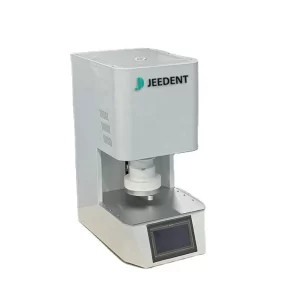 Dental Sintering Furnaces
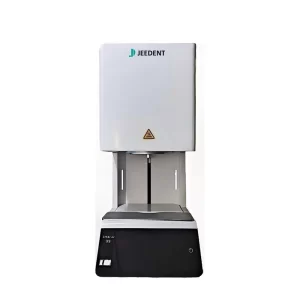 Dental Porcelain Furnace
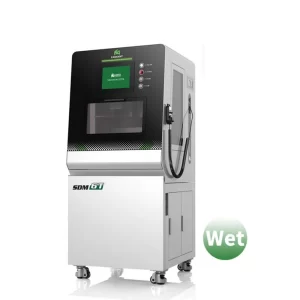 Dental Milling Machine
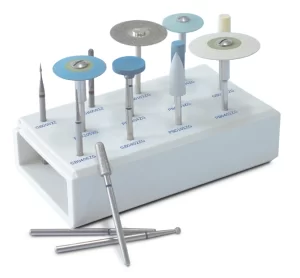 Dental polish kit
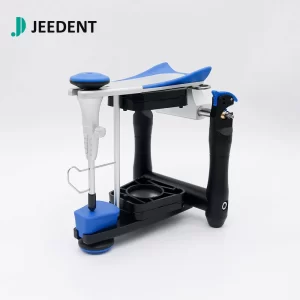 BN Articulator
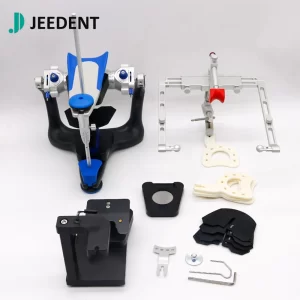 Full Adjustable Articulators
Dental lab technicians often hear lithium disilicate and zirconia mentioned together. Some clients ask for one material. Some clients ask for the other. Many people assume the two materials are basically the same. They are not. Both are all-ceramic materials. Both appear in modern restorative work. But they sit on different ends of the material range. One material leans toward looks. The other leans toward strength. This article explains what each material is. It also covers where they really differ. Finally, it explains how to choose a block. That block should fit the case on the bench.
What Is Lithium Disilicate?
Lithium disilicate is a glass-ceramic material. It is made for highly aesthetic restorations. It starts as a special glass block. Then a process grows crystals inside the block. This process gives the material strength. It also keeps its tooth-like translucency. Lithium disilicate is well known for mimicking natural enamel. This works especially well in the front of the mouth. Single crowns work well with this material. Veneers and inlays also work well with it. Labs press or mill the material. Then they glaze it. This mix of light transmission and solid strength keeps it popular for anterior cases.
What Is Zirconia?
Zirconia is a polycrystalline ceramic. Its main strength is toughness. Light does not pass through it the way it passes through glass-ceramics. It gives a dense and opaque restoration instead. This restoration is very strong. It handles heavy chewing forces without problems. Zirconia leads in posterior crowns and bridges for this reason. It also leads in implant-supported work. Labs mill zirconia from pre-sintered blocks. Then labs sinter it at high temperature in a furnace. The finished piece resists chipping and cracking. It does this far better than most ceramics on the market.
Key Differences Between Lithium Disilicate and Zirconia
Both materials are common in modern dentistry. They differ in aesthetics, strength, and processing methods. The following is a detailed analysis of the key differences.
Aesthetics and Translucency
The look is the fastest difference to see. Lithium disilicate has high translucency. Light passes through it. This gives a natural and lively appearance. The material blends with neighboring teeth. It is the top choice for visible front teeth. Zirconia is more opaque by nature. Newer zirconia grades have better translucency. They still do not match lithium disilicate in pure beauty. The case sits in the aesthetic zone. The patient cares about appearance. Lithium disilicate usually wins in this situation.
Strength and Durability
Zirconia leads on raw strength without much debate. Its flexural strength is clearly higher. This makes it ideal for molars. It also works for multi-unit bridges that take constant chewing pressure. Lithium disilicate is strong enough for single crowns. It also works for short bridges. It has a limit. Too much load on a thin piece can fracture it. Zirconia shrugs off forces that would crack a glass-ceramic. This is why labs reach for it in high-load cases.
Milling and Processing
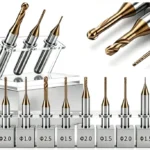
The two materials differ in how workers handle them. Workers can mill lithium disilicate blocks. Workers then crystallize or press them. The workflow is fairly forgiving. Zirconia needs a denser pre-sintered block. Zirconia also needs careful milling. Zirconia then needs a high-temperature sintering step. This step shrinks the material to final size. Shrinkage control matters a lot here. Workers also need the right milling burs for each material. Cutting hard zirconia with tools meant for glass-ceramic only dulls the bur. It also ruins the restoration.
Clinical Use
In practice, the choice usually depends on position and load. Lithium disilicate is the standard for veneers and inlays.. It is also the standard for anterior single crowns. Appearance matters most in these cases. Zirconia is the workhorse for posterior crowns and long-span bridges. It also works for implant restorations. Strength is non-negotiable in these cases. Some cases blend both materials. One example is a zirconia bridge with lithium disilicate veneering. Knowing where each material performs best stops workers from over-engineering one case. It also stops them from under-building another.
How to Choose the Right Material
No single solution fits every case. The right material depends on the specific situation. Clinicians should first determine what the restoration needs to do. In the esthetic zone, lithium disilicate is generally the safer choice. This material also works well when the restoration needs a natural look. It also works well under a light load. Zirconia fits better in the back of the mouth. It also works better for a bridge. It also works better on an implant. Workers should also consider the patient’s bite. Heavy grinders need the extra safety margin that zirconia gives. Workers should ask the dentist about the clinical picture when they are unsure. They should do this before picking a block
Conclusion
Lithium disilicate and zirconia are not the same material. Workers cannot use one in place of the other. Lithium disilicate brings beauty and translucency to aesthetic restorations. Zirconia delivers the toughness that load-bearing work demands. The best labs understand both materials. They match the material to the case. They do not default to one material. This approach produces restorations that look good and fit well. These restorations also last a long time.
FAQs About Lithium Disilicate vs Zirconia
Q:Is lithium disilicate stronger than zirconia?
No. Zirconia has much higher flexural strength. It also has much higher fracture toughness. Lithium disilicate is strong enough for single crowns. It also works for small bridges. Zirconia handles heavier chewing loads. It also works for multi-unit restorations. It gives a bigger safety margin too.
Q: Can zirconia block look as natural as lithium disilicate?
A: Not quite. Lithium disilicate has better translucency. It mimics natural enamel better. This is especially true in the front of the mouth. Modern zirconia has better aesthetics now. But lithium disilicate still leads for pure beauty in visible zones.
Q: Which material is better for dental implants?
A: For implant-supported restorations, zirconia Block is typically the material of choice. It has high strength. It also has high durability. It withstands the forces around implants. It also resists chipping. Lithium disilicate is usually reserved for anterior single crowns. Looks matter most in these cases.
JEEDENT is a professional dental materials supplier. The company offers a full range of CAD/CAM zirconia blocks. It also offers lithium disilicate glass-ceramics. Workers engineer these products for the rigorous demands of dental lab operations. A dental lab may seek reliable materials and tools. That lab can visit the company website. The lab can also contact the team directly. The team provides technical support and product samples.
Email: [email protected]
Whatsapp:+86 18967127907