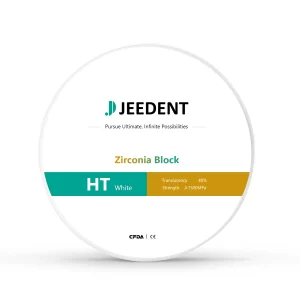
 White Zirconia Blocks
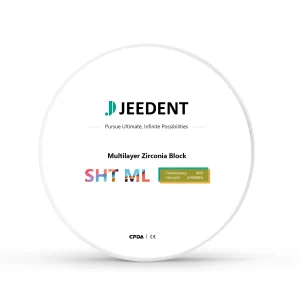 Multilayer Zirconia Blocks
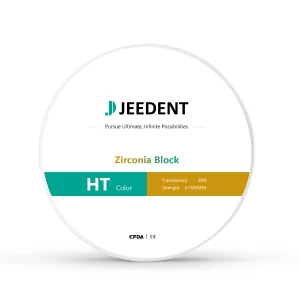 Color Zirconia Blocks
 3D Zirconia Blocks
 4D Zirconia Blocks
 Amber Lithium Disilicate
 Press Porcelain
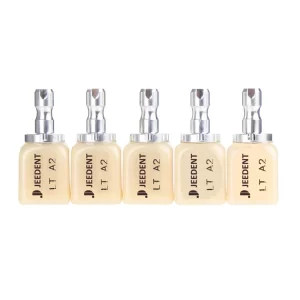 Non-sinterd Ceramics
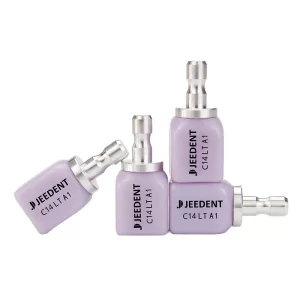 C14 Lithium Disilicate Ceramics
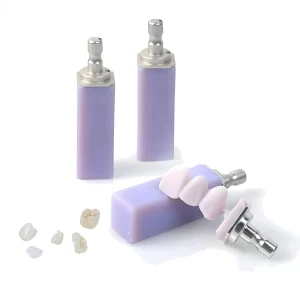 B40 Lithium Disilicate Ceramics
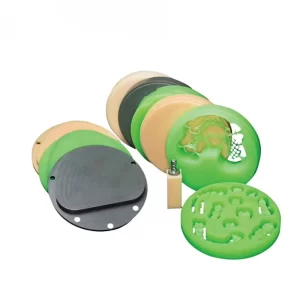 WAX Disc
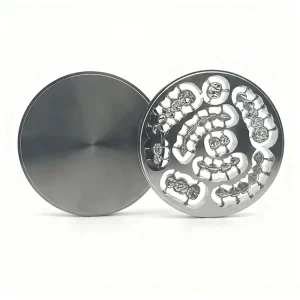 Titanium Disc
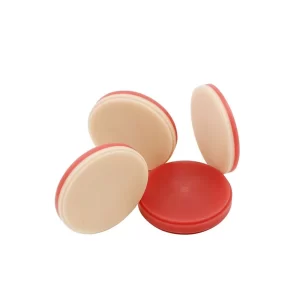 Double Layer PMMA Disc
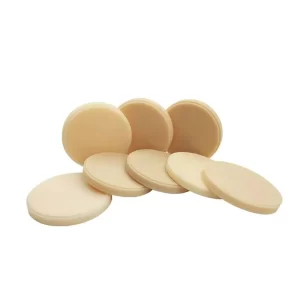 PMMA Disc
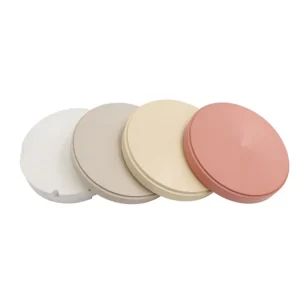 PEEK Disc
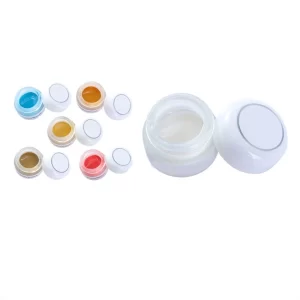 Stain & Glaze
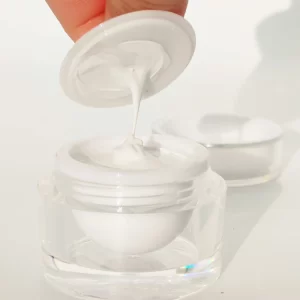 Dental Scanning Paste
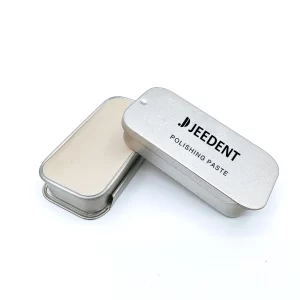 Dental Polishing Paste
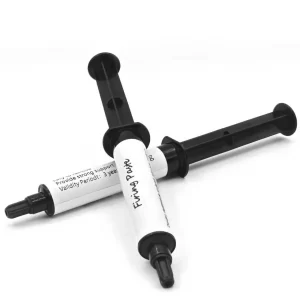 Dental Sintering Paste
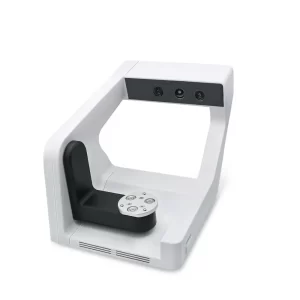 Desktop dental 3D scanners
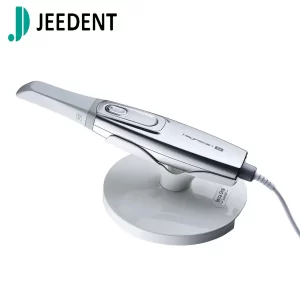 Intraoral scanner
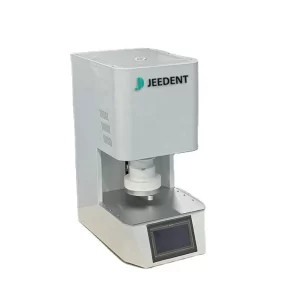 Dental Sintering Furnaces
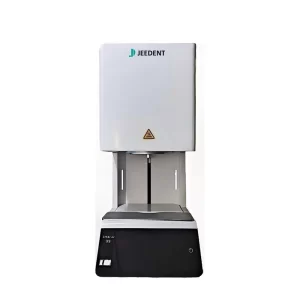 Dental Porcelain Furnace
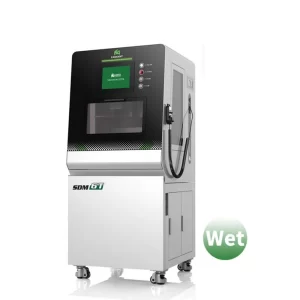 Dental Milling Machine
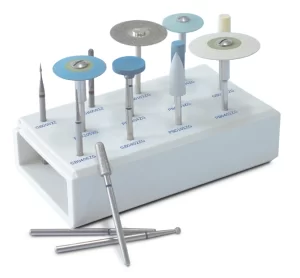 Dental polish kit
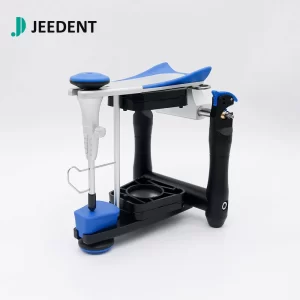 BN Articulator
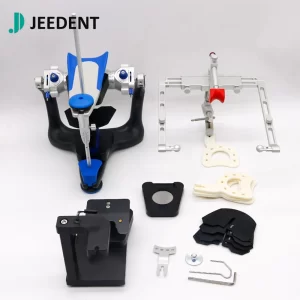 Full Adjustable Articulators
Dental implant restorations have changed a lot in recent years. They have moved far past traditional metal and PFM solutions. Today, more dental clinics and labs prefer CAD/CAM zirconia. They use it for implant-supported crowns, bridges, and custom abutments. Many dental professionals see zirconia in modern implant cases. Yet few fully understand what makes CAD/CAM implant-grade zirconia different from standard cosmetic zirconia. Ordinary zirconia blocks are not the same. Implant-specific zirconia is engineered to handle long-term occlusal pressure. It also handles soft tissue contact. This article breaks down CAD/CAM zirconia for dental implants. It covers core traits and practical benefits. It also covers common applications and key lab usage tips. These tips help create better and more stable restorations.
What Is CAD/CAM Zirconia Block?
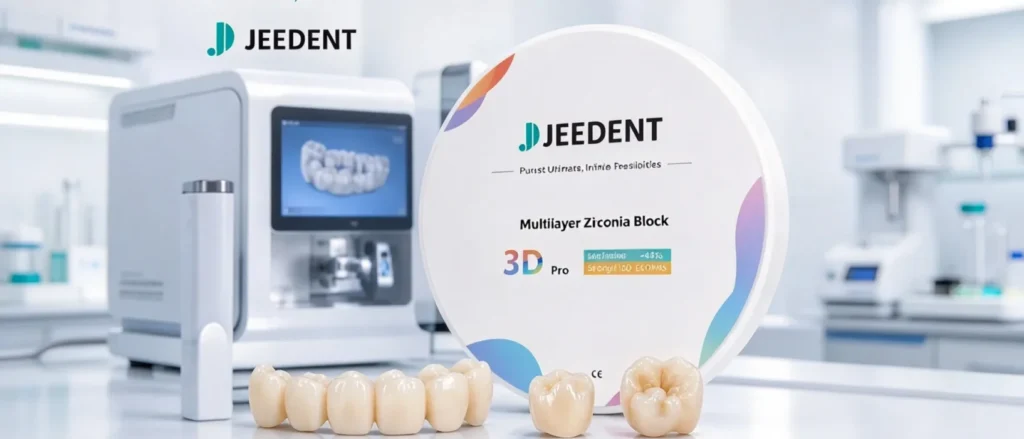
A CAD/CAM zirconia block is a standardized pre-sintered ceramic blank. It is made of high-purity zirconium dioxide. It is specially produced for digital dental CAD/CAM milling systems. These blocks stay in a semi-finished soft state before processing. Fully sintered hard ceramics do not stay soft. This design allows easy and clean milling. It avoids excessive tool wear and edge chipping. After digital cutting and manual finishing, technicians sinter the milled restoration. This step gives the restoration final hardness, density, strength, and natural translucency. Zirconia blocks are standardized in size, density, and shrinkage rate. They fit almost all mainstream dental milling machines. This supports stable and consistent batch production.
Core Advantages of CAD/CAM Zirconia for Implant Restorations
Superior Biocompatibility for Long-Term Implant Healing
Metal implant restorations often have poor soft tissue compatibility. CAD/CAM implant zirconia solves this problem well. It is hypoallergenic and corrosion-proof. It causes no irritation to gingival tissues. It does not create gray gum discoloration. Titanium and alloy frameworks often cause this discoloration. They also cause mild inflammation. Zirconia supports natural soft tissue growth around implant abutments. This forms a tight biological seal. The seal blocks bacterial buildup. It stabilizes implant healing. It also supports long-term healthy integration between fixtures and gum tissue.
High Strength & Fracture Resistance for Occlusal Loads
Implant restorations must handle repeated daily chewing force. Implant-grade zirconia handles this force well. It has much better fracture toughness than porcelain and composite materials. It stands up to heavy posterior occlusal pressure for years. It resists chipping and cracking. It also resists structural deformation under continuous load. For dental labs, this means fewer broken restorations. It also means less post-delivery rework. It leads to higher case success rates for single and multi-unit implant cases.
Natural Aesthetics to Replace Metal Implant Crowns
Metal and PFM implant crowns always show obvious aesthetic flaws, including opaque coloring, dull texture, and visible gray margins at the gum line. These issues ruin smile harmony, especially for front-tooth implant restorations. CAD/CAM zirconia eliminates all metal-related aesthetic defects. It features tooth-like translucency and natural color saturation, with no underlying metal shadow. The final restoration blends seamlessly with adjacent natural teeth and gingiva, meeting the high aesthetic standards of modern patients and clinical practices.
Stable Shrinkage & Precision for CAD/CAM Milling
Precision is critical for implant restoration fitting. Even tiny dimensional errors during milling and sintering can lead to poor marginal closure and unstable occlusion. Implant-grade zirconia has extremely consistent sintering shrinkage with almost no batch variation. It works smoothly with standard digital milling and sintering workflows in dental labs. When paired with professional zirconia milling burs, it delivers clean, accurate cuts every time. This stable processing performance greatly reduces fitting errors, post-sinter adjustments, and unnecessary material waste.
Common Lab Applications for Implant CAD/CAM Zirconia
Implant-grade zirconia works for many case types. Labs use it for single teeth and full arches. The following are the most common applications in daily production.
Implant-Supported Single Crowns
Single implant crowns are the most common use for CAD/CAM implant zirconia. They work in delicate anterior aesthetic zones. They also work in high-pressure posterior chewing areas. The material balances strength, accuracy, and beauty well. Digital milling creates ultra-fine marginal adaptation. This gives a tight and stable fit. The material’s durable physical properties ensure long-term reliability in daily oral use. It has become the best replacement for traditional PFM single crowns. It covers both functional and aesthetic needs for routine implant cases.
Implant Bridges & Full-Arch Restorations
Zirconia bridges and full-arch restorations serve multi-tooth loss and full-mouth implant rehabilitation. They outperform classic metal frameworks by a wide margin. The high rigidity of implant zirconia prevents long-term bending and sagging. It also prevents structural distortion. Its one-piece solid structure lowers fracture risks at bridge connectors. Integrated digital milling improves overall restoration precision and structural stability. This makes it a trusted solution for complex full-arch implant cases in professional dental labs.
Custom Implant Abutments
Custom zirconia abutments are increasingly popular for personalized implant treatments. Standardized metal abutments have fixed shapes. CAD/CAM milled zirconia abutments can be tailored to individual implant angles. They also match gum contours and occlusal conditions. They create a natural emergence profile. They fit soft tissues perfectly. They also avoid unsightly metal exposure. With excellent biocompatibility, they preserve long-term gingival health. They also deliver premium aesthetic results for high-end implant restorations.
Key Lab Tips for Milling & Using Implant Zirconia
Parameter Settings for Implant-Grade Zirconia
Implant-grade zirconia is denser and harder than regular cosmetic zirconia. Generic default milling parameters do not work for it. Technicians need to lower the feed speed. They also need to control the single cutting depth. These steps avoid edge chipping and hidden micro-cracks. Labs should build exclusive parameter templates for implant zirconia. They should also make fine adjustments for different blank brands and thicknesses. Customized and stable settings boost processing yield and restoration precision.
Bur Selection to Avoid Chipping & Deformation
Standard universal dental burs dull quickly on dense implant zirconia. Worn tools cause unstable cutting and rough surfaces. They also cause frequent chipping. Professional labs should use high-hardness carbide burs. They can also use diamond-coated burs. These burs are made specifically for zirconia processing. Sharp and wear-resistant burs ensure smooth chip removal. They also give clean edge cutting without material tearing. Timely bur replacement keeps case quality consistent. It also cuts down rework and material waste.
Conclusion
CAD/CAM implant-grade zirconia has become the gold-standard material for modern dental implant restorations. It offers reliable biocompatibility and outstanding mechanical strength. It also provides precise milling performance and natural aesthetics. These traits solve the common defects of traditional metal and PFM implant materials. Standardized parameter settings and professional tool matching help labs produce high-quality implant crowns, bridges, and custom abutments. They also lower failure rates.
FAQs :
Q1: Is CAD/CAM zirconia strong enough for dental implants?
Yes. Implant-grade CAD/CAM zirconia offers excellent fracture toughness and compression resistance. It withstands long-term occlusal pressure for anterior and posterior implant restorations. It is far more durable than regular cosmetic zirconia and traditional PFM materials. It also maintains stable performance with ultra-low clinical failure rates.
Q2: Are zirconia implant crowns better than titanium?
In most clinical scenarios, zirconia implant crowns deliver better overall performance. Compared with titanium, they provide natural tooth translucency. They also cause no gingival discoloration and no metallic taste. They offer superior soft tissue compatibility. Titanium suits buried implant fixtures. Zirconia is ideal for visible restorations. It fits modern aesthetic implant treatment needs well.
Q3: Can you mill implant zirconia with standard dental burs?
No. Labs should not use standard burs for this task. Implant-grade zirconia has higher density and hardness than ordinary zirconia. Standard burs wear out rapidly during cutting. They cause edge chipping, micro-cracks, and uneven surfaces. Only professional zirconia-specific carbide or diamond-coated burs ensure clean, precise, and stable milling results.
Q4: Does implant-grade zirconia shrink differently?
Yes. Implant-grade zirconia has far more stable and uniform sintering shrinkage. It also has minimal batch deviation. Its predictable dimensional changes let technicians set accurate compensation parameters. This avoids poor marginal fit and unstable occlusion caused by irregular shrinkage in ordinary zirconia materials.
Q5: Is zirconia safe for long-term implant soft tissue contact?
Yes. CAD/CAM implant-grade zirconia is non-toxic and corrosion-resistant. It is also highly biocompatible. It supports healthy soft tissue adhesion around implants. It forms a tight biological seal and inhibits bacterial growth. It is one of the safest ceramic materials for long-term gingival contact in implant dentistry.
JEEDENT is a professional manufacturer of dental CAD/CAM materials and tools. The company maintains strict quality control for every zirconia block and milling bur. Its implant-grade zirconia blanks have stable density and uniform sintering shrinkage. They also work with mainstream CAD/CAM machines. Its dedicated zirconia milling burs stay sharp for a long time. These burs help dental labs improve processing efficiency and reduce daily consumable costs.
Users can visit the official JEEDENT website to view detailed product specifications. The website also offers professional dental lab technical guidance. Labs searching for high-quality implant-grade zirconia materials and durable dental milling tools can contact the team. The team offers customized technical support and free product samples.
Email: [email protected]
Whatsapp:+86 18967127907