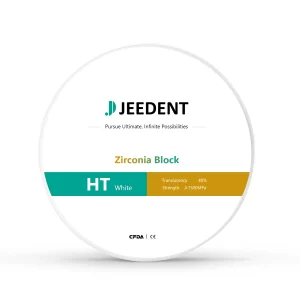
 White Zirconia Blocks
 Multilayer Zirconia Blocks
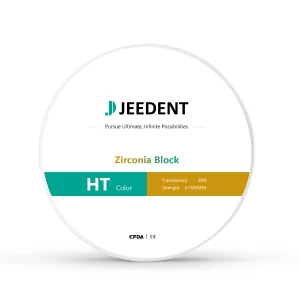 Color Zirconia Blocks
 3D Zirconia Blocks
 4D Zirconia Blocks
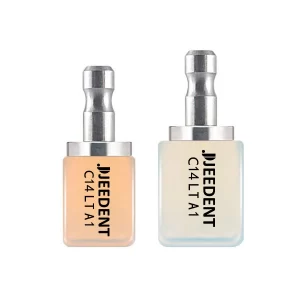 Amber Lithium Disilicate
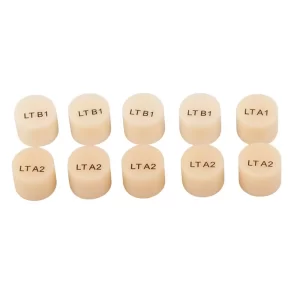 Press Porcelain
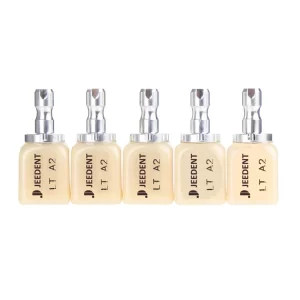 Non-sinterd Ceramics
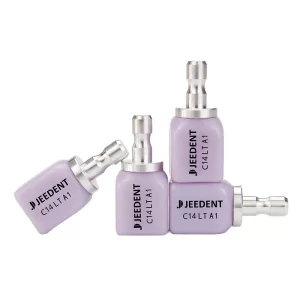 C14 Lithium Disilicate Ceramics
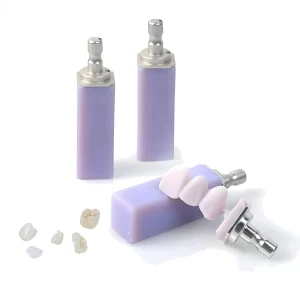 B40 Lithium Disilicate Ceramics
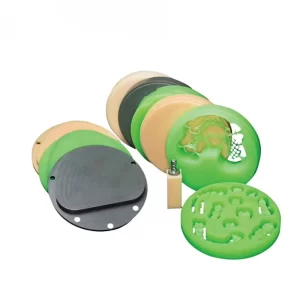 WAX Disc
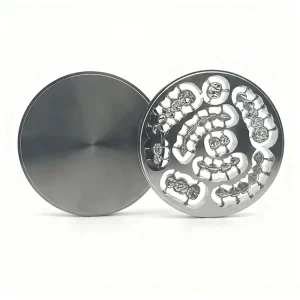 Titanium Disc
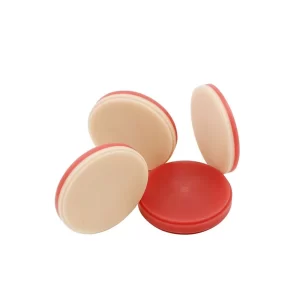 Double Layer PMMA Disc
 PMMA Disc
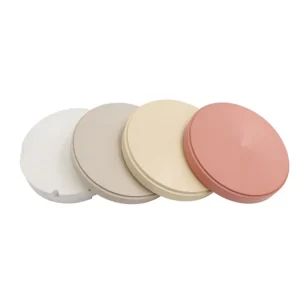 PEEK Disc
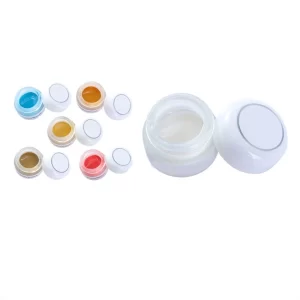 Stain & Glaze
 Dental Scanning Paste
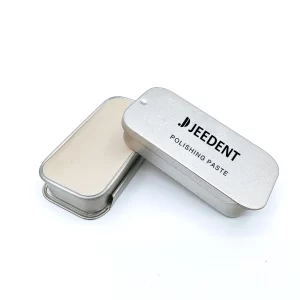 Dental Polishing Paste
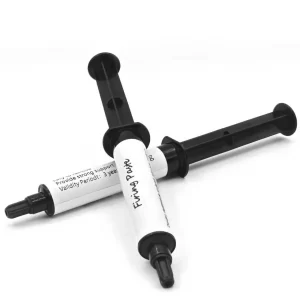 Dental Sintering Paste
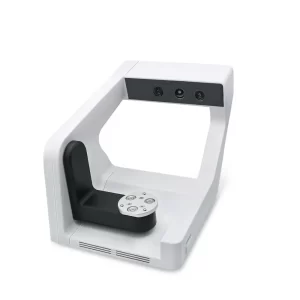 Desktop dental 3D scanners
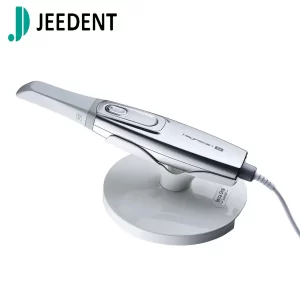 Intraoral scanner
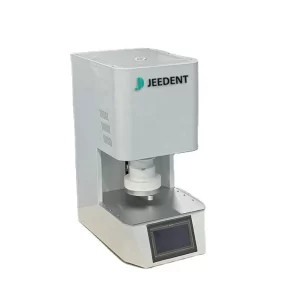 Dental Sintering Furnaces
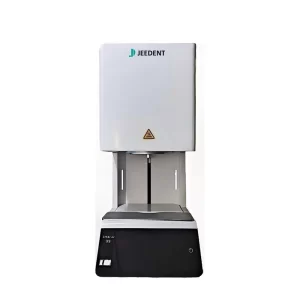 Dental Porcelain Furnace
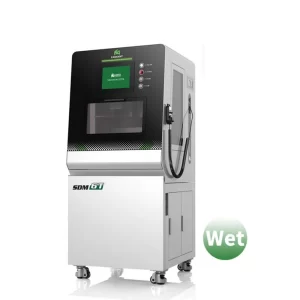 Dental Milling Machine
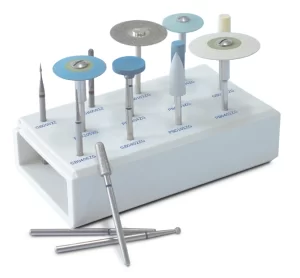 Dental polish kit
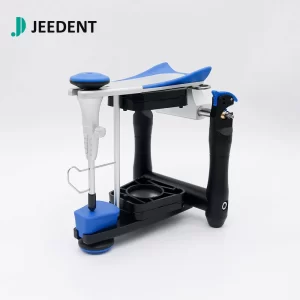 BN Articulator
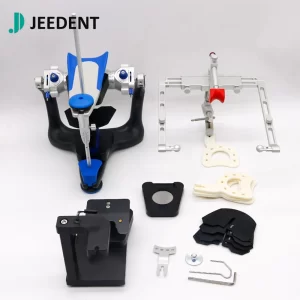 Full Adjustable Articulators
In clinical work like dental restoration and occlusion reconstruction, an articulator is an indispensable tool. It transfers a patient’s oral relationship to the laboratory, helping dentists and technicians observe mandibular movement. With so many articulators on the market, many dentists get confused: If you’re just starting out with restoration services, is a semi-adjustable one enough? When do you absolutely need to upgrade to a fully adjustable one? This article will skip the complicated parameters and clarify the selection logic for these two types of articulators from a practical clinical perspective.
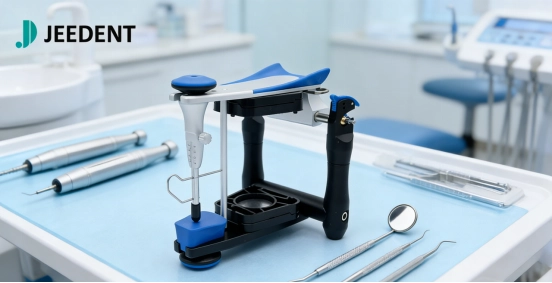
Basic Understanding – What Is An Articulator?
An articulator is a mechanical tool used in dental laboratories. It simulates the movement of a patient’s mandible and can be considered a guide for tooth positioning. It demonstrates the synergy between the upper and lower jaws in masticatory function, not just their resting occlusion. Using plaster models alone has limitations; only static contact points can be observed, not the anteroposterior or lateral movements of the mandible. This can lead to problems later, such as premature contact of the restoration, requiring significant adjustments at delivery. An articulator solves these problems. It simulates real chewing patterns, holds the model in the correct position, and simulates hinge and sliding movements, enabling better restoration design. The final restoration perfectly matches natural mandibular movement, reducing rework and improving restoration fit.
Difference Between Semi-adjustable And Fully Adjustable Articulators
So now that you know why articulators matter, let’s talk about what’s actually different under the hood. The short answer? It’s all about how much of the patient’s unique jaw movement you can dial in.
Semi-Adjustable Articulators
- Definition: This type of articulator has fixed or limited settings. Key angles, like condylar guidance, are preset. They typically range from 25 to 30 degrees. Users cannot adjust these values freely.
- Features: These articulators are simple to use. They offer good repeatability between cases. Their cost is lower than fully adjustable models. They suit clinics with basic needs. New users can learn them quickly.
- Ideal Scenarios: They work well for routine single crowns. Simple fixed bridges are also good candidates. Cases with natural opposing teeth benefit most. The occlusion must be stable. For straightforward restorative work, this tool performs reliably. It handles everyday cases without complication.
Fully Adjustable Articulators
- Definition: This articulator captures each patient’s unique jaw movements. It uses facebow transfer and movement tracing. Key angles like condylar guidance and Bennett angle are set precisely. Settings match the individual, not an average.
- Features: Accuracy is the main strength. It simulates complex jaw functions well. The device handles both simple and complex movements. But operation requires more training. The learning curve is steeper. Setup takes more time than basic models.
- Ideal Scenarios: This tool fits complex cases. Full-mouth reconstruction needs its accuracy. Complex tooth problems benefit from its precision. TMD patients require detailed movement data. Aesthetic cases need exact incisal path angles. For high-end treatments, this articulator is necessary. It supports advanced clinical work.
Clinical Decision Tree – Choose Based on Your Clinic’s Business Structure
The right articulator depends on what you do, who you treat, and how your team works. Here is a simple guide to help you decide.
Dimension 1: Look at Your Service Type
If most of your work is posterior single crowns, choose a semi-adjustable articulator. It offers good value and covers daily cases well. It is easy to use and costs less. If you plan to offer full-mouth implants or occlusion reconstruction, choose a fully adjustable articulator. It creates a technical advantage. It sets your clinic apart from general practices. It supports higher fees for complex work.
Dimension 2: Look at Patient Characteristics
Young patients and those with strong chewing forces need precision. Bruxers also fall into this group. Consider a fully adjustable articulator for these cases. Edentulous patients need correct jaw relationship rebuilding. Elderly patients with worn teeth also need this. A fully adjustable articulator is required here. No exceptions apply.
Dimension 3: Look at Doctor-Technician Collaboration
Consider whether your team has proper training. A fully adjustable articulator requires skilled users. Without this expertise, the tool loses its value. It will function like a basic model. The extra investment will not translate into better clinical outcomes. Trained staff can capture accurate jaw data. They can also translate that data into well-fitting restorations. If your team lacks these skills, start with training or choose a simpler articulator first.
Three Common Misconceptions About Articulators
Even experienced clinicians sometimes believe things about articulators that simply aren’t true. Let’s clear up three common myths.
Myth 1: “If I buy a fully adjustable articulator, I can do perfect occlusion reconstruction.”
Truth: An articulator is just a tool. The key is whether the doctor can provide accurate jaw relationship and transfer data. Even the best tool can’t fix sloppy clinical work.
Myth 2: “Restorations made with a semi-adjustable articulator are always too high and need a lot of grinding.”
Truth: Most of the time, it’s not the articulator’s fault—it’s inaccurate occlusion records or errors during the model mounting process. Master the basics, and a semi-adjustable articulator will work great.
Myth 3: “Beginners should start simple, so buy a non-adjustable articulator first.”
Truth: Non-adjustable articulators have too many limitations. Starting with a semi-adjustable one is better for building a correct understanding of occlusion—you’ll learn good habits from the start.
Conclusion
At the end of the day, choosing between articulator types depends on your clinical work. For routine cases like single crowns or simple bridges, a semi-adjustable model works well. It is efficient and affordable for everyday use. For full-mouth rehabilitations or TMD management, a fully adjustable system makes sense. Aesthetic precision cases also benefit from this choice. The investment supports complex treatment goals. Remember one key point: no tool replaces good technique. Master the basic clinical steps first. Train your team properly. Let the articulator support better outcomes. It cannot fix errors in jaw records or mounting. Used correctly, it becomes a valuable partner in quality care.